The post What does a Trump takeover of the Fed look like? appeared on BitcoinEthereumNews.com. This is a segment from the Forward Guidance newsletter. To read full editions, subscribe. To the keen observer, there are many crosscurrents hitting the Federal Reserve right now — and those currents are beginning to erode Fed independence.  The idea of a Fed independent from political influence has ebbed and flowed over the years.  During World War II, the Fed was entirely subservient to the Treasury and was not independent by any means. It existed mostly to fund the war and ensure Treasurys were well bid.  In 1951, the Fed Treasury accords formally established the Fed as independent from the Treasury and, therefore, the executive branch.  In the 1970s, Chair Paul Volcker solidified this independence by hiking rates to tame inflation despite pressure from the president at the time. Someone even showed up to the Federal Reserve building with a loaded gun to try and stop them from raising rates.  In the 40 years since, we’ve seen a steady, secular downshift in interest rates and peacetime for the Fed.  Now, that era is changing. President Trump, referring to his own nominees on the Fed’s board of governors, said Tuesday: “We’ll have a majority very shortly.”  The idea of viewing the composition of the FOMC as one party’s majority vs. the other is new.  Historically, governor appointments were seen as apolitical, although bias still naturally trickled in through the lens of academic perspectives on monetary policy leading more left or right, depending on their background.  With the attempted firing of Governor Cook — (setting aside how valid it was, that’s for the court to decide tomorrow) — it now opens the door to Trump being able to get a majority among Fed governors as well as a heavier hand in deciding which regional Fed presidents are elected. For a better explanation of… The post What does a Trump takeover of the Fed look like? appeared on BitcoinEthereumNews.com. This is a segment from the Forward Guidance newsletter. To read full editions, subscribe. To the keen observer, there are many crosscurrents hitting the Federal Reserve right now — and those currents are beginning to erode Fed independence.  The idea of a Fed independent from political influence has ebbed and flowed over the years.  During World War II, the Fed was entirely subservient to the Treasury and was not independent by any means. It existed mostly to fund the war and ensure Treasurys were well bid.  In 1951, the Fed Treasury accords formally established the Fed as independent from the Treasury and, therefore, the executive branch.  In the 1970s, Chair Paul Volcker solidified this independence by hiking rates to tame inflation despite pressure from the president at the time. Someone even showed up to the Federal Reserve building with a loaded gun to try and stop them from raising rates.  In the 40 years since, we’ve seen a steady, secular downshift in interest rates and peacetime for the Fed.  Now, that era is changing. President Trump, referring to his own nominees on the Fed’s board of governors, said Tuesday: “We’ll have a majority very shortly.”  The idea of viewing the composition of the FOMC as one party’s majority vs. the other is new.  Historically, governor appointments were seen as apolitical, although bias still naturally trickled in through the lens of academic perspectives on monetary policy leading more left or right, depending on their background.  With the attempted firing of Governor Cook — (setting aside how valid it was, that’s for the court to decide tomorrow) — it now opens the door to Trump being able to get a majority among Fed governors as well as a heavier hand in deciding which regional Fed presidents are elected. For a better explanation of…

What does a Trump takeover of the Fed look like?

2025/08/29 05:16
3분 읽기
이 콘텐츠에 대한 의견이나 우려 사항이 있으시면 [email protected]으로 연락주시기 바랍니다

This is a segment from the Forward Guidance newsletter. To read full editions, subscribe.


To the keen observer, there are many crosscurrents hitting the Federal Reserve right now — and those currents are beginning to erode Fed independence. 

The idea of a Fed independent from political influence has ebbed and flowed over the years. 

During World War II, the Fed was entirely subservient to the Treasury and was not independent by any means. It existed mostly to fund the war and ensure Treasurys were well bid. 

In 1951, the Fed Treasury accords formally established the Fed as independent from the Treasury and, therefore, the executive branch. 

In the 1970s, Chair Paul Volcker solidified this independence by hiking rates to tame inflation despite pressure from the president at the time. Someone even showed up to the Federal Reserve building with a loaded gun to try and stop them from raising rates. 

In the 40 years since, we’ve seen a steady, secular downshift in interest rates and peacetime for the Fed. 

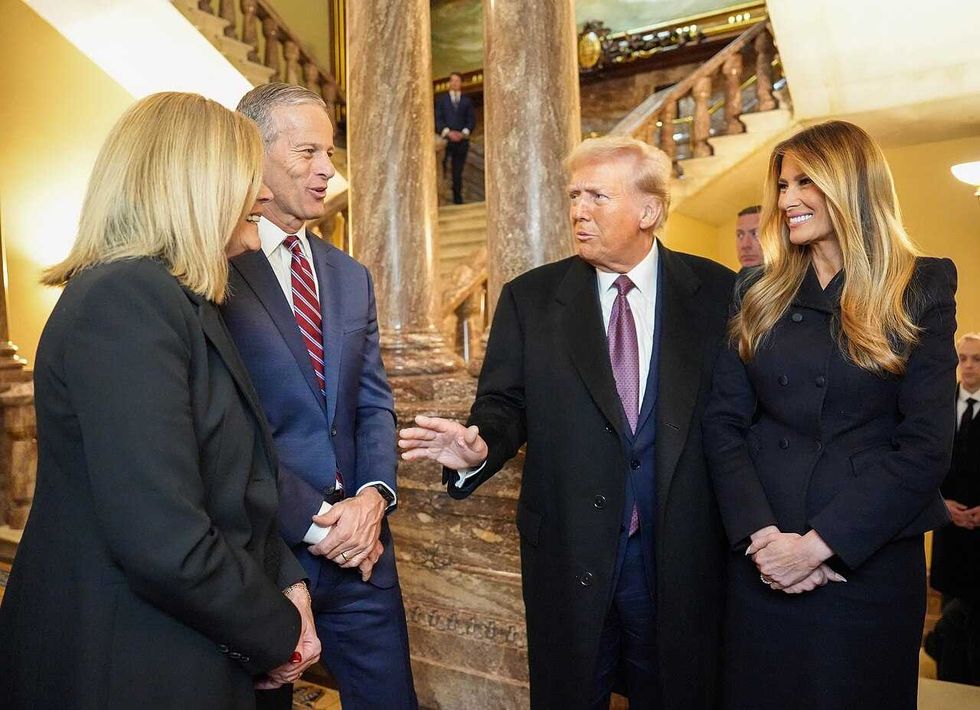
Now, that era is changing. President Trump, referring to his own nominees on the Fed’s board of governors, said Tuesday: “We’ll have a majority very shortly.” 

The idea of viewing the composition of the FOMC as one party’s majority vs. the other is new. 

Historically, governor appointments were seen as apolitical, although bias still naturally trickled in through the lens of academic perspectives on monetary policy leading more left or right, depending on their background. 

With the attempted firing of Governor Cook — (setting aside how valid it was, that’s for the court to decide tomorrow) — it now opens the door to Trump being able to get a majority among Fed governors as well as a heavier hand in deciding which regional Fed presidents are elected. For a better explanation of these dynamics, check out Quinn’s explanation in last week’s roundup:

So, where does that shift bring us and how can we quantify this emerging tail risk? 

One method I’ve found helpful is the chart below, which contrasts five-year inflation swaps with the price of oil. Oil is one of the primary contributors to expectations of inflation on a medium-term basis, since it’s a large driver of headline inflation. It’s also a key input cost into nearly everything that is consumed. 

Typically, when the price of oil rises, inflation expectations also rise.

What’s interesting about 2025, however, is we are seeing five-year inflation swaps grinding higher while oil does the opposite. 

My read is that the market is beginning to price in a new risk premium associated with tail risks around the Fed. Specifically, the Fed losing control of prices and inflation expectations becoming unanchored due to the erosion of independence. 

Whether this risk premium is warranted or not is a story for another day. Regardless, it’s evident that the market is beginning to worry about this dynamic.

When long-held correlations like this diverge, they can be explosive. The last one was in 2022, when we saw gold meaningfully decouple from its long-held inverse correlation with real yields. 

That divergence is only increasing as the market digests new variables, like concern for fiat currency stability.

Keep an eye out for these correlations over the next 12 months — I think it’s going to become very important to do so.


Get the news in your inbox. Explore Blockworks newsletters:

Source: https://blockworks.co/news/trump-fed-takeover

시장 기회
LETSTOP 로고
LETSTOP 가격(STOP)
$0.002513
$0.002513$0.002513
-4.08%
USD
LETSTOP (STOP) 실시간 가격 차트

SPACEX(PRE) Launchpad Is Live

SPACEX(PRE) Launchpad Is LiveSPACEX(PRE) Launchpad Is Live

Start with $100 to share 6,000 SPACEX(PRE)

면책 조항: 본 사이트에 재게시된 글들은 공개 플랫폼에서 가져온 것으로 정보 제공 목적으로만 제공됩니다. 이는 반드시 MEXC의 견해를 반영하는 것은 아닙니다. 모든 권리는 원저자에게 있습니다. 제3자의 권리를 침해하는 콘텐츠가 있다고 판단될 경우, [email protected]으로 연락하여 삭제 요청을 해주시기 바랍니다. MEXC는 콘텐츠의 정확성, 완전성 또는 시의적절성에 대해 어떠한 보증도 하지 않으며, 제공된 정보에 기반하여 취해진 어떠한 조치에 대해서도 책임을 지지 않습니다. 본 콘텐츠는 금융, 법률 또는 기타 전문적인 조언을 구성하지 않으며, MEXC의 추천이나 보증으로 간주되어서는 안 됩니다.

No Chart Skills? Still Profit

No Chart Skills? Still ProfitNo Chart Skills? Still Profit

Copy top traders in 3s with auto trading!