

Ethereum Investing Guide: Risks, Strategies, and Whether It's Worth It
- Investing starts with knowing the asset — read our complete Ethereum guide before building a strategy.
- Ethereum is more than a cryptocurrency — it's a programmable blockchain platform that powers decentralized finance (DeFi) and smart contracts.
- Unlike Bitcoin, Ethereum runs on proof-of-stake, which reduced its energy consumption by approximately 99.95% after The Merge in September 2022.
- Beginners can invest in ETH by buying directly on an exchange or through a regulated spot ETH ETF.
- Dollar-cost averaging (DCA) is the most commonly recommended strategy for new investors to manage Ethereum's price volatility.
- ETH holders can earn passive income through staking, with current yields running approximately 2.8–3.5% annually.
- Ethereum carries real risks — including price volatility, regulatory uncertainty, and smart contract vulnerabilities — and should only be a portion of a diversified portfolio.
Ethereum vs Bitcoin: What Makes ETH a Different Investment
Bitcoin as a Store of Value
Ethereum as Programmable Infrastructure
The Merge and Energy Efficiency
How to Start Investing in Ethereum: A Beginner's Guide
- For direct ownership, follow our step-by-step guide for beginners on how to buy Ethereum (ETH) safely and confidently
- Secure what you own — see our guide on what an Ethereum wallet is, how it works, and how to choose the best one
Risks of Investing in Ethereum You Should Know
- Price volatility is the most visible risk — ETH has historically experienced drawdowns of 70–80% during bear market cycles, and those swings can happen quickly.
- Regulatory risk is also worth noting — shifts in U.S. crypto market-structure legislation can directly affect ETH's price and investor sentiment, and the regulatory landscape continues to evolve.
- Smart contract risk is something unique to Ethereum — bugs or vulnerabilities in deployed code can be exploited by attackers, and losses from such failures are generally not recoverable.
- Competition is a growing concern too. Networks like Solana are gaining ground in areas like DeFi and NFTs, which creates pressure on Ethereum's market share — even if Ethereum still leads by a wide margin.
Ethereum Investing Strategies for Long-Term Growth
Dollar-Cost Averaging (DCA)
Staking for Passive Income
Portfolio Allocation
FAQ
Conclusion
- Strategy depends on fundamentals — see our full Ethereum guide as the foundation of any ETH plan.
- Is Ethereum a Good Investment? Expert Analysis
- Should I Buy Ethereum Now or Wait?
- Ethereum Price Prediction: Short and Long-Term Targets
- Ethereum Crash: Why ETH Falls and What History Tells Us
- Ethereum ETF: Top Funds and How to Invest

Popular Articles
View More
Oura Competitors: Samsung, Apple and the Smart Ring Market
Oura's competitors fall into three groups, according to its IPO prospectus: smartwatch makers such as Apple, Google and Samsung; fitness wearables such as Garmin, Coros and Whoop; and software-only

Is Oura Profitable? Revenue, Business Model and Valuation
Yes, Oura is profitable on a net income basis. Its IPO prospectus shows net income of $60.8 million on revenue of $1.21 billion in the nine months to June 30, 2026. The $924.3 million loss in some

Bitget Review 2026: 3.8 Out of 5, the Deepest Copy-Trading Shelf, and a Japan Exit With Three Dates You Need
Bitget scores 3.8 out of 5 on our six-dimension scorecard as of 25 September 2026, leading on derivatives, holding a provisional 3.5 on security after the hot-wallet incident of about $351.6 million

Hot Crypto Updates
View More
Red Sea Tensions Return as Houthi Threats Put Oil Shipping Costs at Risk
Overview Red Sea tensions have returned to the centre of global market attention because the risk is no longer confined to isolated attacks on individual vessels. Investors are now considering the

What Is Ethereum's Glamsterdam Upgrade? ePBS, Parallel Execution and a 200M Gas Limit Explained as It Goes Live on Testnet
Key Takeaways Glamsterdam, the next hard fork for Ethereum (ETH), activated on the Sepolia testnet on Tuesday, October 6, 2026 at 13:53:36 UTC. Dates for the Hoodi testnet and mainnet have not been

Ethereum Staking Queue: Why Entering & Exiting ETH Takes Weeks
Overview Ethereum currently has traffic backed up in both directions at once. According to CoinDesk's October 5 tally, roughly 1.5 million ETH, worth about $4 billion at the time, is waiting to enter

Trending News
View More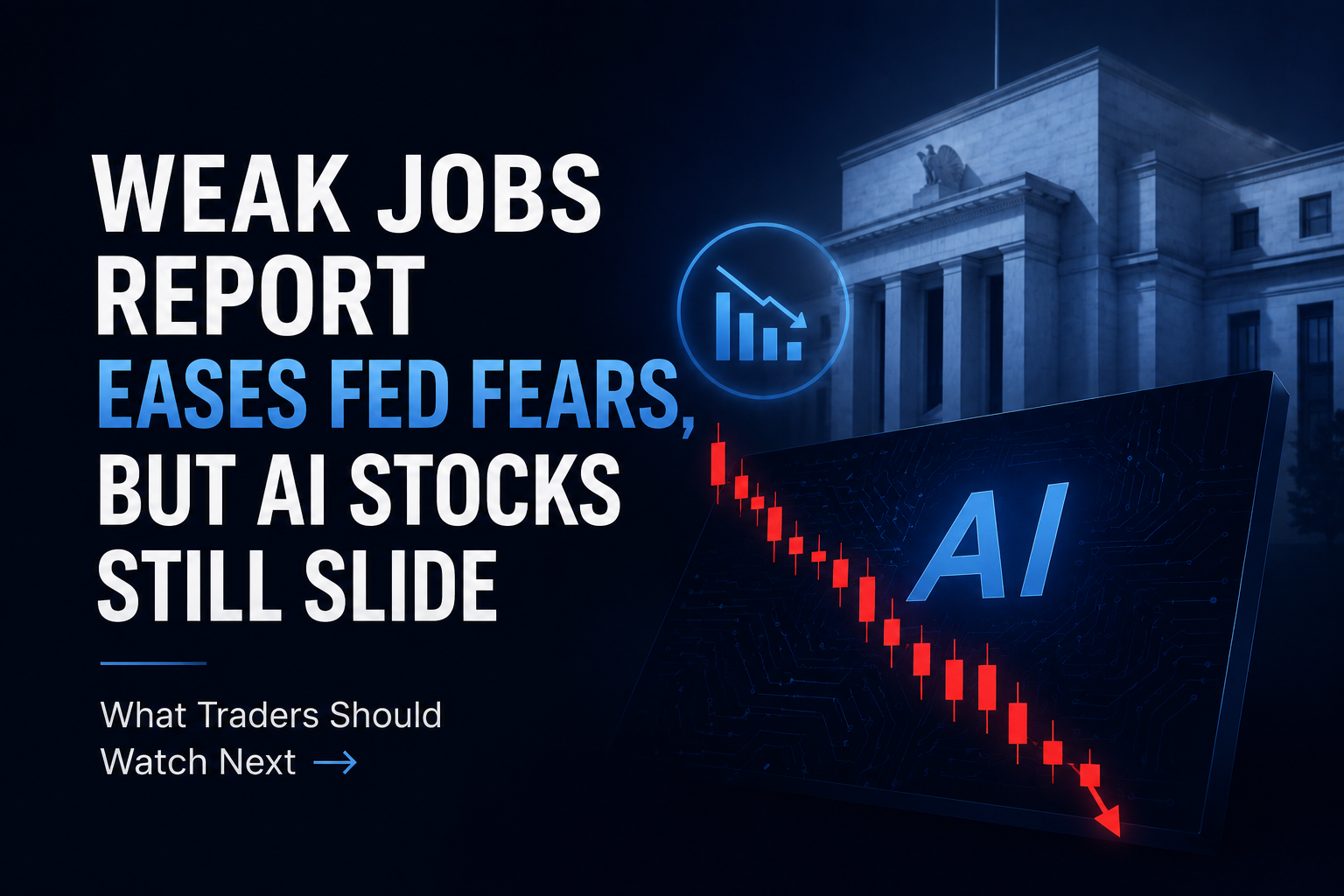
Weak Jobs Report Eases Fed Fears, But AI Stocks Still Slide: What Traders Should Watch Next
The U.S. June jobs report signaled a clear economic slowdown, missing expectations and lowering Federal Reserve rate hike fears. Despite lower Treasury yields, AI and tech stocks slid, proving that ma
Why Is ZEC Rising? Zcash Rebounds as Quantum-Security Narrative Gains Attention
ZEC gained 10.08% in 24 hours as MEXC trading activity accelerated and Zcash’s post-quantum payment plan attracted market attention.

Related Articles
View More
Dogecoin Marketcap Explained: What It Means and How It Shapes DOGE's Value
Key TakeawaysMarket capitalization (market cap) measures the total dollar value of Dogecoin (DOGE), calculated as current price × circulating supply.As of December 2025, Dogecoin's market cap stands a
How Tether Maintains Its 1:1 Peg: Mechanics of USDT Reserves
Tether (USDT) is a stablecoin pegged 1:1 to the US Dollar, meaning each USDT is backed by an equivalent amount of reserves. Tether maintains its peg by holding a mix of fiat assets, cash equivalents,

Dogecoin Security Basics: Common Scams Targeting DOGE Holders and How to Avoid Them
Dogecoin (DOGE) has transformed from an internet meme into a legitimate financial asset. However, its mainstream visibility is a double-edged sword: while it drives adoption, it also attracts sophisti







