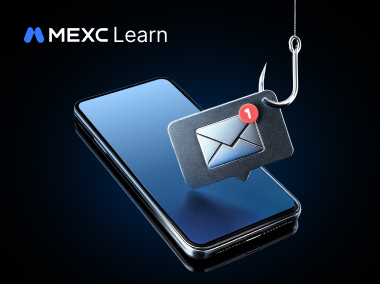
Fraud Prevention 101: How to Spot and Avoid Common Crypto Risks
1. Holding Risks
1.1 Project Team Modification Rights
- Upgradability: If the contract can be upgraded, the team can alter the code at any time, creating uncertainty.
- Ownership & Governance: Check if ownership has been renounced or transferred to the community.
- Timelock: Ensure that any changes require a delay (e.g., at least 24 hours), giving the community time to respond.
- Liquidity Pool (LP) Security: Confirm whether the LP is time-locked, preventing arbitrary withdrawals; check if LP tokens have been burned or are held in trusted custody.
1.2 Hacker Attacks
- Monitor protocol core addresses and TVL in real time using dashboards like DefiLlama, and set up alerts.
- Use AI tools to scan official project Discord, Telegram, or X (Twitter) channels for keywords such as exploit, hack, or issue.
- Regularly review addresses that interact with your contracts to ensure no unauthorized activity.
- Divide funds into smaller amounts and store them across different wallets or platforms to reduce the risk of total loss.
- Store large amounts in hardware wallets and avoid keeping all assets long-term in DEXs.
- Check audit reports from reputable third-party firms (e.g., Certik, SlowMist) and use AI to help interpret key findings to better understand contract risks and security.
2. Phishing Attacks
2.1 Common Phishing Scenarios
- Use large language model (LLM) AI tools to analyze message content and identify language patterns designed to create urgency.
- Check the email header for SPF/DKIM authentication results; failed validation is a strong red flag.
- Use AI-powered tools to scan attachments for potential risks.
- As a user, avoid clicking directly on email content, and enable anti-phishing codes (such as MEXC’s Anti-Phishing Code) to verify email authenticity.
- Use AI tools to analyze a webpage's front-end code for obfuscated hooks or high-risk functions.
- As a user, always test with a secondary wallet before using your main wallet. If you accidentally authorize your main wallet, immediately revoke permissions and transfer assets to a new address.
- Report malicious domains to Cloudflare or relevant social platforms to reduce community-wide risk.
- Use AI to check whether contract functions contain high-risk elements (e.g., unlimited mint permissions).
- As a user, refuse any request for upfront deposits or activation fees.
- Use read-only tools like DeBank to verify snapshot eligibility instead of testing directly with your primary wallet.
3. High-Yield Investment Scams
- Beware of enticing claims. Treat any investment project advertising "guaranteed high returns" or "zero-loss profits" with skepticism, and carefully calculate the implied annualized returns.
- Test small and diversify. Always start with small trial investments until fully verified. Avoid committing large sums or risking all funds on a single project. Diversify across multiple platforms or assets to reduce overall risk exposure.
- Use intelligent tools. Leverage online searches to check project credibility and user feedback. AI-powered aggregators can also help identify early warning signals.
4. Risks of Abnormal Transfers and Large-Value Movements
- Malware or fake applications: Users may unknowingly install software containing trojans, click on malicious links, or enter their seed phrase into fraudulent wallet applications. In such cases, private keys can be silently compromised, allowing attackers to monitor the wallet and transfer out significant assets at an opportune moment.
- Suspicious token deposits: Users may unexpectedly receive tokens from unknown sources. This is often what is known as a "token poisoning" attack, where scammers airdrop fraudulent tokens to lure users into interacting with them. Attempting to trade or sell these tokens usually redirects the user to a phishing website that requires malicious authorization, which can result in the complete loss of assets.
- Enhance private key security: Never store or input private keys or seed phrases in online environments. Use hardware wallets or multisignature wallets to ensure private keys remain isolated on physical devices. Avoid entering sensitive information into unverified applications or websites.
- Regularly revoke permissions: Establish a routine of reviewing wallet contract approvals and promptly revoke unnecessary or suspicious authorizations to minimize long-term risk exposure.
- Handle unknown tokens cautiously: If unusually high-value or suspicious tokens appear in your wallet, do not attempt to interact with them. These are often fraudulent tokens. The appropriate response is to hide them or remove their records from the wallet interface.
- Leverage AI-powered security tools: Utilize AI wallet security tools developed by reputable security teams to scan wallet environments and transaction requests, helping identify and mitigate potential risks.
5. Account Security Risks
- Enable Multi-Factor Authentication: Always secure exchange accounts with Google Authenticator or stronger hardware-based dynamic keys. Avoid relying solely on SMS verification, which is vulnerable to hijacking.
- Avoid Password Reuse: Practice strong password hygiene by not reusing passwords across platforms. Use a password manager to generate and store high-strength, randomized passwords.
- Restrict IP Login Access: Bind accounts to trusted devices and familiar IP addresses, and disable logins from unrecognized IPs.
- Monitor Account Activity: Enable login alerts and device change notifications. If unusual activity is detected, such as logins from unfamiliar locations or repeated failed login attempts, change your password immediately and contact the exchange to freeze your account.
Conclusion

Popular Articles
View More
Oura Competitors: Samsung, Apple and the Smart Ring Market
Oura's competitors fall into three groups, according to its IPO prospectus: smartwatch makers such as Apple, Google and Samsung; fitness wearables such as Garmin, Coros and Whoop; and software-only

Is Oura Profitable? Revenue, Business Model and Valuation
Yes, Oura is profitable on a net income basis. Its IPO prospectus shows net income of $60.8 million on revenue of $1.21 billion in the nine months to June 30, 2026. The $924.3 million loss in some
Bitget Review 2026: 3.8 Out of 5, the Deepest Copy-Trading Shelf, and a Japan Exit With Three Dates You Need
Bitget scores 3.8 out of 5 on our six-dimension scorecard as of 25 September 2026, leading on derivatives, holding a provisional 3.5 on security after the hot-wallet incident of about $351.6 million

Trending News
View More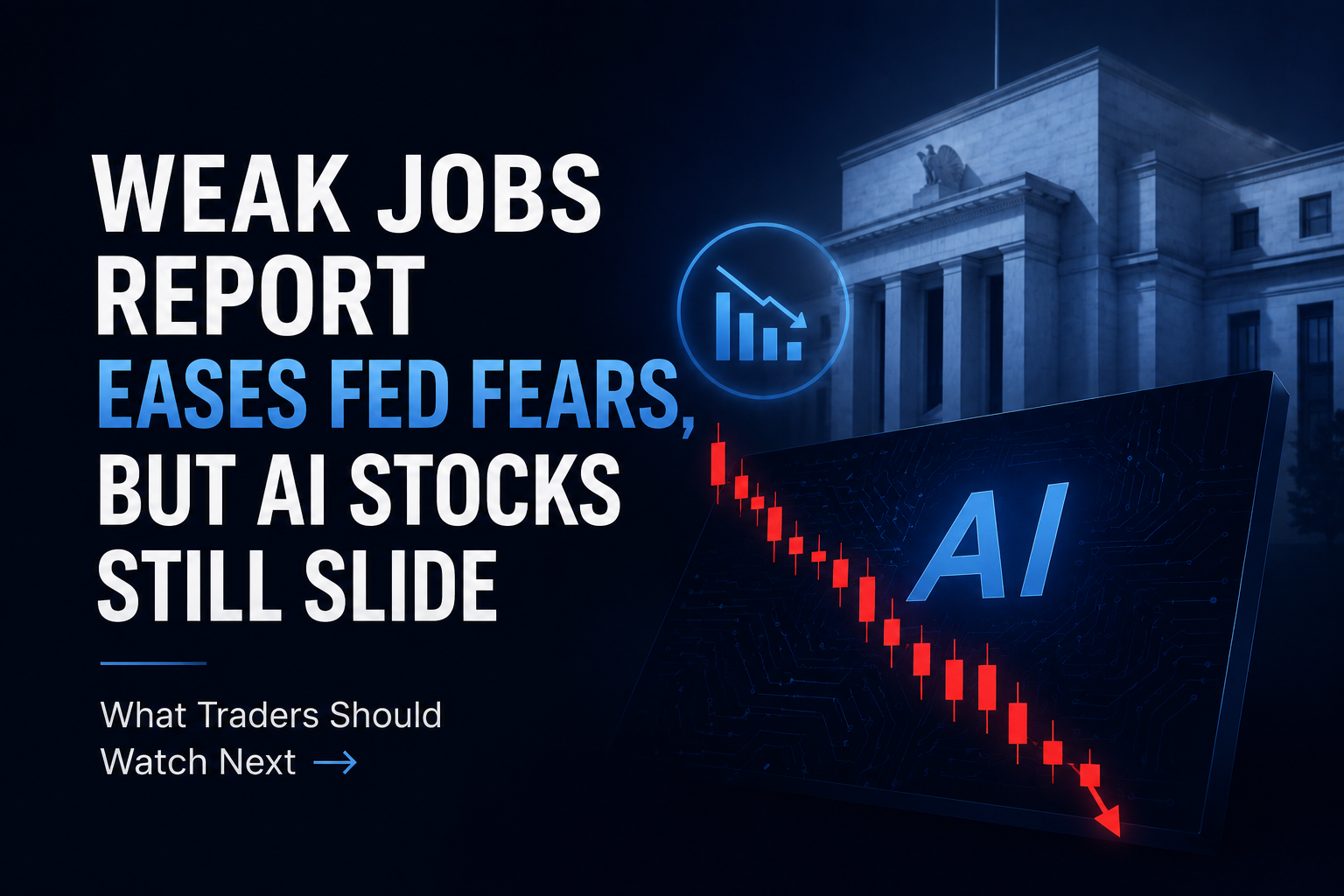
Weak Jobs Report Eases Fed Fears, But AI Stocks Still Slide: What Traders Should Watch Next
The U.S. June jobs report signaled a clear economic slowdown, missing expectations and lowering Federal Reserve rate hike fears. Despite lower Treasury yields, AI and tech stocks slid, proving that ma
Why Is ZEC Rising? Zcash Rebounds as Quantum-Security Narrative Gains Attention
ZEC gained 10.08% in 24 hours as MEXC trading activity accelerated and Zcash’s post-quantum payment plan attracted market attention.

Related Articles
View More
Why MEXC is the Safest Choice for Traders
Due to the potential for enormous profits, weak regulation, and anonymity, the cryptocurrency market is rife with scams. Crypto users should remain vigilant, carefully assess investment projects, avoi
MEXC Account Frozen? Withdrawal Limits & How to Fix Restricted Account Issues
Account freezing refers to the temporary blocking or restriction of a user's cryptocurrency trading account, preventing them from making transactions or withdrawing funds. The duration of a cryptocurr
MEXC Restricted Countries: Complete List of Prohibited & Limited Regions
MEXC does not accept users from 13 jurisdictions named in its User Agreement: the United States, Canada, the United Kingdom, Singapore, Hong Kong, Mainland China, Malaysia, Kazakhstan, North Korea, Cu