How to Trade CFDs: A Beginner’s Step-by-Step Guide
CFD trading can seem straightforward at first: choose a market, decide whether the price may rise or fall, and open a position. But the real work begins before the trade. Beginners need to understand margin, leverage, position size, stop-loss placement, trading costs, and what happens if the market moves sharply against them.
This guide explains how to trade CFDs step by step, what beginners should check before opening a position, and how to approach CFD trading with risk control in mind.
Quick Answer: How Do You Trade CFDs?
To trade CFDs, you choose an underlying market, decide whether to go long or short, set your position size, review margin and leverage, place the trade, and manage risk with tools such as stop-loss and take-profit orders. CFDs are leveraged products, which means a small price movement can create a larger gain or loss relative to your margin. Before trading, beginners should understand how the product works, how losses are calculated, and what rules apply on their chosen platform.
What to Know Before Trading CFDs
A CFD, or contract for difference, lets traders speculate on the price movement of an underlying market without owning the asset itself.
That means CFD trading is different from buying a stock, holding an ETF, or owning physical gold. You are not mainly asking, “Do I want to own this asset?” You are asking, “Can I manage a leveraged position based on this price movement?”
Before placing a CFD trade, understand these basics:
| Term | What It Means |
|---|---|
| Long | You expect the market price to rise |
| Short | You expect the market price to fall |
| Margin | The amount required to open or maintain a position |
| Leverage | Exposure larger than your deposited margin |
| Stop-loss | An order designed to limit losses if price moves against you |
| Take-profit | An order designed to close a position after reaching a profit target |
| Liquidation | Forced position closure when margin becomes insufficient |
For beginners, the key point is simple: CFD trading is less about predicting every market move and more about controlling what happens when your view is wrong.
Step 1: Choose a CFD Market
The first step is choosing the market you want to trade. CFDs can track different types of assets, depending on the platform and region.
Common CFD markets may include:
- Forex pairs
- Stock indices
- Commodities such as gold or oil
- Shares
- ETFs
- Crypto-related markets
Each market behaves differently. Forex pairs may react to interest rates and macroeconomic data. Gold may react to inflation expectations, central bank policy, and risk sentiment. Indices may move with broader equity-market trends.
If you are still learning, start by studying one market instead of jumping across many. A trader who understands one market deeply is usually better prepared than someone opening random positions across five unrelated markets.
Readers who want to see how CFD products are organized in practice can review the MEXC CFD page as a reference point. Check the available markets and product details directly before making any trading decision.
Step 2: Decide Whether to Go Long or Short
After choosing a market, decide your trade direction.
A long CFD position means you expect the price to rise. A short CFD position means you expect the price to fall.
| Market View | Position Type | What You Need |
|---|---|---|
| You expect price to rise | Long | Price must move above your entry after costs |
| You expect price to fall | Short | Price must move below your entry after costs |
Beginners often make the mistake of opening trades based only on a price opinion. A better approach is to write down the reason for the trade:
- What market condition supports this idea?
- Where is the trade invalidated?
- What is the maximum loss you are willing to take?
- Where will you take profit?
- What event could change the setup?
If you cannot answer those questions, the trade is probably not ready.
Step 3: Understand Margin and Leverage
CFDs are usually traded on margin. This means you do not need to deposit the full value of the position. Instead, you deposit a smaller amount that supports a larger trade.
Leverage can make CFD trading attractive, but it is also the main reason beginners lose money quickly.
For example, if a market moves 1%, the impact on your margin may be much larger depending on the leverage used. This can work in your favor, but it can also work against you.
A practical beginner rule: use the smallest exposure needed to learn the product. Do not use maximum leverage just because it is available.
Step 4: Set Your Position Size
Position size is one of the most important parts of CFD trading.
A trader can have the right market direction and still lose money because the position is too large. A trader can also survive several losing trades if each position is sized carefully.
Before opening a position, decide:
- How much capital you are willing to risk
- Where your stop-loss will be placed
- How much you lose if the stop-loss is triggered
- Whether the position size still makes sense after fees and spreads
Here is a simple way to think about it:
| Question | Why It Matters |
|---|---|
| How much can I lose on this trade? | Defines risk before emotion takes over |
| Where is my stop-loss? | Shows where the trade idea is wrong |
| Is the position too large? | Prevents one trade from damaging the account |
| Can I handle volatility? | Avoids panic exits during normal movement |
Position size should come before profit targets. If the downside is too large, the trade is not worth taking.
Step 5: Place the CFD Trade
Once you understand the market, direction, margin, and position size, you can prepare the order.
Common order types include:
- Market order: Opens the trade immediately at the available price
- Limit order: Opens only at a chosen price or better
- Stop order: Activates after price reaches a specified level
- Stop-loss order: Helps limit downside
- Take-profit order: Closes the trade after reaching a target
Beginners often focus only on the entry. Experienced traders care just as much about the exit. A good trade plan usually includes both.
Before confirming the order, review:
- Market
- Direction
- Position size
- Margin requirement
- Estimated fees or spread
- Stop-loss level
- Take-profit level
- Liquidation level, if shown
- Any overnight or holding costs
A trade should not surprise you after it is opened. The main numbers should already be clear.
Step 6: Monitor the Trade
After opening a CFD position, the work is not finished.
Markets can move quickly. News, liquidity changes, macroeconomic events, and sudden volatility can all affect price. If the position is leveraged, small moves may matter more than expected.
Monitor:
- Price movement
- Margin level
- Stop-loss distance
- Liquidation risk
- News events
- Trading costs
- Whether the original trade idea is still valid
Do not move a stop-loss farther away just because the trade is losing. That is one of the most common ways a manageable loss becomes a large loss.
Step 7: Close the Position
A CFD position can be closed manually or through preset orders such as stop-loss or take-profit.
When closing the trade, review the final result:
- Entry price
- Exit price
- Gross profit or loss
- Fees, spreads, or financing costs
- Net profit or loss
- Whether the trade followed the original plan
The review matters. If you only look at profit and loss, you may miss the real lesson. A profitable trade can still be poorly managed, and a losing trade can still be a good trade if risk was controlled.
Common CFD Trading Mistakes Beginners Make
Beginners usually do not lose money because they misunderstand one definition. They lose money because they combine leverage, emotion, and poor planning.
| Mistake | Why It Hurts |
|---|---|
| Using too much leverage | Small moves can create large losses |
| Trading without a stop-loss | Losses can grow beyond the original plan |
| Oversizing positions | One trade can damage the account |
| Chasing losses | Emotional trades often increase risk |
| Ignoring fees | Costs can reduce or erase profit |
| Trading unfamiliar markets | Price movements become harder to interpret |
| Treating CFDs like asset ownership | CFDs are contracts, not direct ownership |
The most important habit is to define risk before entering the trade.
How Beginners Can Use MEXC CFD as a Reference
If you are learning how CFD trading works, a product page can help you understand how markets, margin, and trading access are presented in practice.
The MEXC CFD page can be used as a reference when reviewing CFD products. Before trading, check the latest product details, available markets, margin rules, fees, and risk controls directly on the official page.
Use the page to learn and compare. Do not treat any product listing as a trading signal.
FAQs About How to Trade CFDs
1. How do beginners start CFD trading?
Beginners should start by learning how CFDs work, how margin and leverage affect risk, and how profit and loss are calculated. Before using real funds, they should practice position sizing and understand stop-loss placement.
2. Is CFD trading the same as buying the asset?
No. CFD trading usually does not give direct ownership of the underlying asset. It gives price exposure through a contract.
3. Can you trade CFDs with small capital?
CFDs are margin-based, so some platforms may allow smaller starting capital than direct asset purchase. However, small capital does not remove risk. Leverage can still create fast losses.
4. What is the biggest risk in CFD trading?
The biggest risk is usually leverage combined with poor position sizing. A small market move can create a large loss if the position is too large relative to the trader’s margin.
5. Do CFD traders need a stop-loss?
A stop-loss is not a guarantee, but it is an important risk-management tool. Beginners should understand how stop-loss orders work and where to place them before opening leveraged positions.
Final Thoughts
Learning how to trade CFDs is not just about learning where to click. The real skill is understanding exposure, margin, leverage, position size, and risk control before a trade is opened.
For beginners, the best approach is slow and structured: choose one market, understand the product rules, start with small exposure, and review every trade. CFDs can offer flexible market access, but that flexibility comes with serious risk.
Risk Warning
CFD and crypto-related trading products are high-risk and may not be suitable for all users. Prices can move rapidly, leverage can amplify losses, and users may lose part or all of their funds. Before trading, understand the product rules, margin requirements, liquidation conditions, fees, liquidity risks, and regional availability. This article is for educational purposes only and is not financial advice.
Popular Articles
View More
FOMC Meeting Schedule 2026: Every Fed Decision Date, Dot Plot Release, and What to Expect
If you trade around macro news, the FOMC meeting schedule is the one calendar worth pinning to your wall. Nearly every rate decision the Federal Reserve makes starts on one of eight pre-set dates a
EUR/USD CFD Trading: How Crypto Traders Can Trade Forex with USDT on MEXC
EUR/USD is not a crypto pair, but many crypto traders already understand the habit behind it: watch liquidity, watch the dollar, watch macro expectations, and react when the market reprices risk.
Silver CFD Trading: How Crypto Traders Can Trade Silver with USDT on MEXC
Silver sits in a different corner of the market from both gold and Bitcoin. It is a precious metal, but it is also tied to industrial demand. That mix can make silver more reactive, more cyclical,
Hot Crypto Updates
View More
US Strikes Iran: What It Means for Oil, Crypto, and Global Markets
Overview On June 10, 2026, US Central Command launched strikes against multiple targets in Iran after an American Apache helicopter was shot down near the Strait of Hormuz, shattering a fragile
What Is Jable.tv? The Complete 2026 Guide
What is Jable.tv, and why are so many people confusing it with the JAB cryptocurrency token in 2026? This complete guide breaks down the adult streaming site, its real risks, and how the Jable name
Does Jable.tv Have a Virus? 2026 Security Scan Results & What You Actually Need to Know
Does Jable.tv have a virus? We ran Jable.tv through Google Safe Browsing, VirusTotal, and 91 threat engines — here's what the data actually shows, what the real risks are, and how to stay safe in
Trending News
View More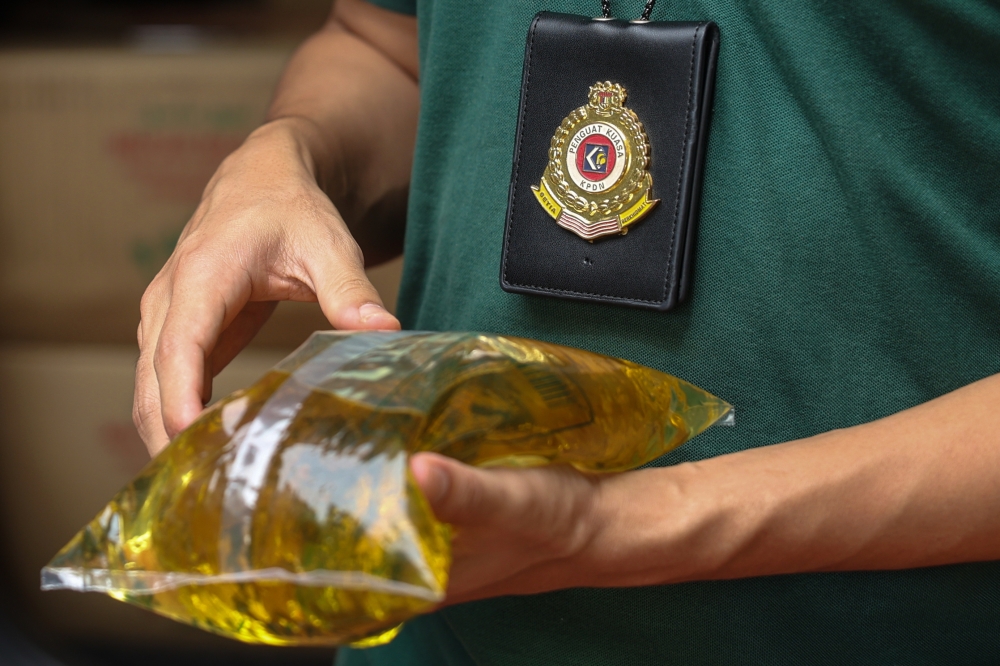
Kedah animal feed factory raided over suspected illegal flour storage
BALING, June 16 — The Ministry of Domestic Trade and Cost of Living (KPDN) Kedah branch raided an animal fee...

Euro Under Pressure: Rabobank Highlights EU-China Trade and Accession Politics as Key Drivers
BitcoinWorld Euro Under Pressure: Rabobank Highlights EU-China Trade and Accession Politics as Key Drivers The euro’s trajectory is increasingly being shaped by


Related Articles
View MoreEUR/USD CFD Trading: How Crypto Traders Can Trade Forex with USDT on MEXC
EUR/USD is not a crypto pair, but many crypto traders already understand the habit behind it: watch liquidity, watch the dollar, watch macro expectations, and react when the market reprices risk. That
Silver CFD Trading: How Crypto Traders Can Trade Silver with USDT on MEXC
Silver sits in a different corner of the market from both gold and Bitcoin. It is a precious metal, but it is also tied to industrial demand. That mix can make silver more reactive, more cyclical, and
Oil CFD Trading: How Crypto Traders Can Trade Oil with USDT on MEXC
Oil is one of the few markets that crypto traders often understand before they ever open a traditional brokerage account. When inflation headlines get louder, when the U.S. dollar moves, or when geopo