
What Are Dogecoin(DOGE) Futures? How DOGE Leverage Trading Works and Its Risks?
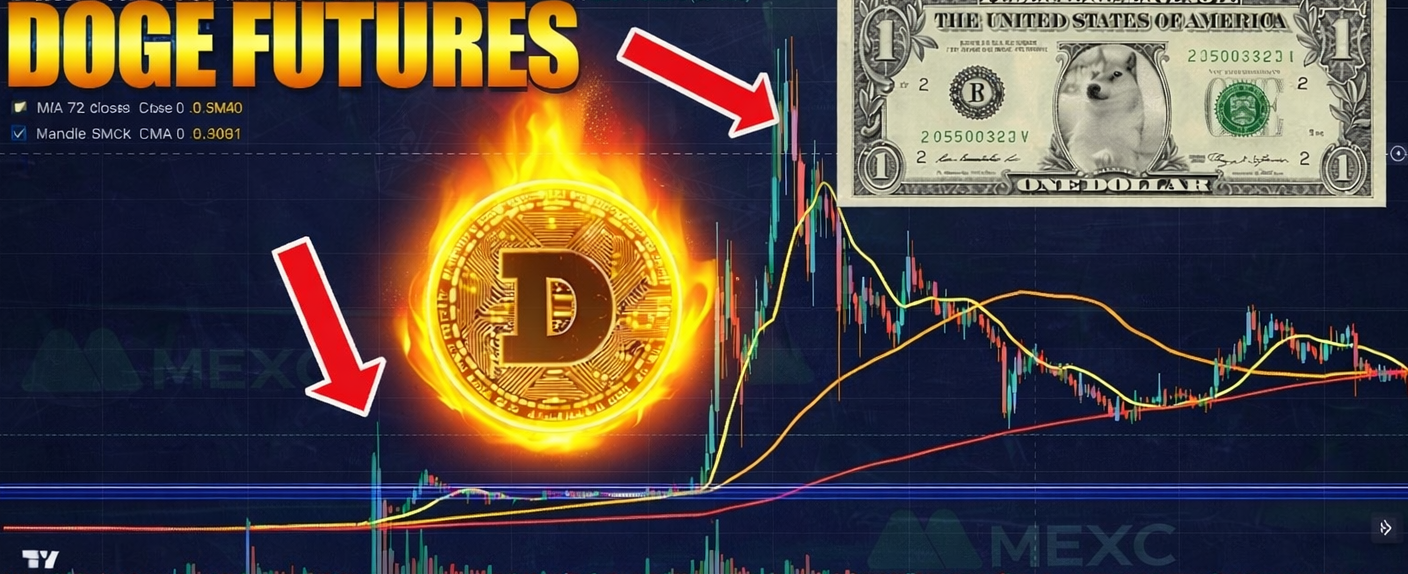
TL;DR (Key Takeaways)
- Dogecoin futures are contracts that allow traders to speculate on Dogecoin's future price without owning the asset directly.
- Leverage trading allows traders to control larger positions with less capital, amplifying both profits and losses.
- Futures trading is suitable for active traders who are comfortable with risk and volatility.
- Funding rates in futures determine periodic payments between long and short traders to keep futures prices aligned with the spot price of DOGE.
- Futures are higher risk than spot trading, with the possibility of liquidation if your position falls below a certain margin.
Introduction
What Are Dogecoin Futures?
- Perpetual futures – These contracts have no expiration date, allowing traders to hold positions for as long as they want (as long as margin requirements are met).
- Fixed-term futures – These contracts have a set expiration date, and the contract must be settled by that date.
- To understand: the differences between perpetual futures and fixed-term futures, read here.
How Does Leverage Work in Dogecoin Futures?
Example of Leverage in Dogecoin Futures
The Role of Funding Rates in Dogecoin Futures
How Funding Rates Work
- Positive funding rates occur when the price of Dogecoin futures is higher than the spot price. In this case, long traders (those who buy futures contracts) pay short traders (those who sell futures contracts).
- Negative funding rates occur when the price of Dogecoin futures is lower than the spot price. In this case, short traders pay long traders.
The Risks of Dogecoin Futures Trading
1.Liquidation Risk
2.Volatility Risk
3.Margin Calls
4.Emotional and Psychological Pressure
Spot Trading vs Futures Trading: Which Is Right for You?
Spot Trading
- You own the asset directly (DOGE).
- No leverage means no liquidation risk.
- Long-term holding strategy.
- Ideal for beginners and conservative traders.
Futures Trading
- You speculate on price movements without owning DOGE.
- Leverage amplifies both profits and losses.
- Short-term trading and active strategies.
- Suitable for experienced traders who are comfortable with risk.
FAQ: Dogecoin Futures
1.Which is safer: spot or futures trading for Dogecoin?
2.Can I profit when DOGE falls?
3.How does leverage work in Dogecoin futures?
4.What are funding rates in Dogecoin futures?
5.What is liquidation risk?
Conclusion
Learn More
Popular Articles
Dogecoin(DOGE) Trading Fees Explained: Spot vs Futures Costs on Crypto Exchanges
Dogecoin (DOGE) has become a household name in the world of cryptocurrencies. Originally created as a fun internet meme, it has since grown into a prominent asset within the cryptocurrency market. How
Why Is Dogecoin(DOGE) So Volatile? Price Swings, Liquidity, and Market Narratives
Dogecoin (DOGE), a cryptocurrency initially created as a joke, has grown into one of the most prominent and frequently traded digital assets in the cryptocurrency world. Its origins as a meme coin hav
Dogecoin(DOGE) Spot vs Futures Trading: Which Is Better for Different Risk Profiles?
Dogecoin has come a long way from the early days when it was created as an internet joke. What originally began as a light-hearted experiment eventually developed into one of the most recognizable dig
How to Trade Dogecoin (DOGE): Spot and Futures Trading Explained Step by Step on MEXC
Dogecoin (DOGE), which began as a meme-inspired cryptocurrency, has transformed into one of the most actively traded assets in the digital currency world. Known for its fast transaction speeds, low fe
Hot Crypto Updates
What Is Futu Holdings Ltd. (FUTU)?
If you’re researching Futu Holdings Ltd. stock (FUTU), you’re researching a tech-driven brokerage and wealth management platform that serves investors through digital products, most notably moomoo and
What Is Meta Platforms (META)?
If you’re researching Meta Platforms stock (META), you’re looking at one of the most important US stocks in social media and digital advertising. Meta owns platforms used by billions of people globall

MEXC vs Binance 2026: Comprehensive Comparison Guide for Crypto Traders
Meta Description MEXC vs Binance 2026 in-depth comparison: Analyzing trading fees, coin listings, security, and user experience to help you choose the best cryptocurrency exchange for your trading nee
How to Purchase Dogecoin in Japan: A Complete Guide
Purchasing Dogecoin (DOGE) in Japan is straightforward when you use a regulated, user-friendly platform like MEXC and follow proper identity and funding procedures; this guide explains each step—from
Trending News
SEC's revised audit inspection standards expected to trickle down to crypto firms
The Trump administration’s crypto-friendly approach has resulted in reduced oversight of the crypto industry, leading to criticism from advocates and lawmakers.
Looking for the Top Altcoin Picks to Buy Now? APEMARS Whitelist Steals the Spotlight as Toncoin and Stellar Rally
In the ever-expanding world of crypto, some projects hint at potential, while others charge forward with unstoppable momentum. Toncoin powers rapid transactions
Who’s Taking the Lead? Apeing Dominates as the Top Crypto Presale, Hyperliquid Moves Up, and Stellar Stuns Traders
Ready to Ride the Next Crypto Rocket? Apeing Dominates as the Top Crypto Presale. Ethereum and Solana continue to make headlines, while coins like Hyperliquid and
Suspected Insider Trading in ATLAS Memecoin Uncovered
The post Suspected Insider Trading in ATLAS Memecoin Uncovered appeared on BitcoinEthereumNews.com. Key Points: 68 wallets allegedly involved in significant pre
Related Articles
Dogecoin(DOGE) Trading Fees Explained: Spot vs Futures Costs on Crypto Exchanges
Dogecoin (DOGE) has become a household name in the world of cryptocurrencies. Originally created as a fun internet meme, it has since grown into a prominent asset within the cryptocurrency market. How
Why Is Dogecoin(DOGE) So Volatile? Price Swings, Liquidity, and Market Narratives
Dogecoin (DOGE), a cryptocurrency initially created as a joke, has grown into one of the most prominent and frequently traded digital assets in the cryptocurrency world. Its origins as a meme coin hav

What Are Dogecoin(DOGE) Futures? How DOGE Leverage Trading Works and Its Risks?
Unlikespot trading, where you directly purchase Dogecoin and hold it in your wallet, futures trading involves contracts that speculate on Dogecoin’s price at a future date. These contracts can be leve
Dogecoin(DOGE) Spot vs Futures Trading: Which Is Better for Different Risk Profiles?
Dogecoin has come a long way from the early days when it was created as an internet joke. What originally began as a light-hearted experiment eventually developed into one of the most recognizable dig
