

Gold Prices Plunge as Hormuz Tensions Fuel Dollar’s Surge Amid Fears of Hawkish Fed
BitcoinWorld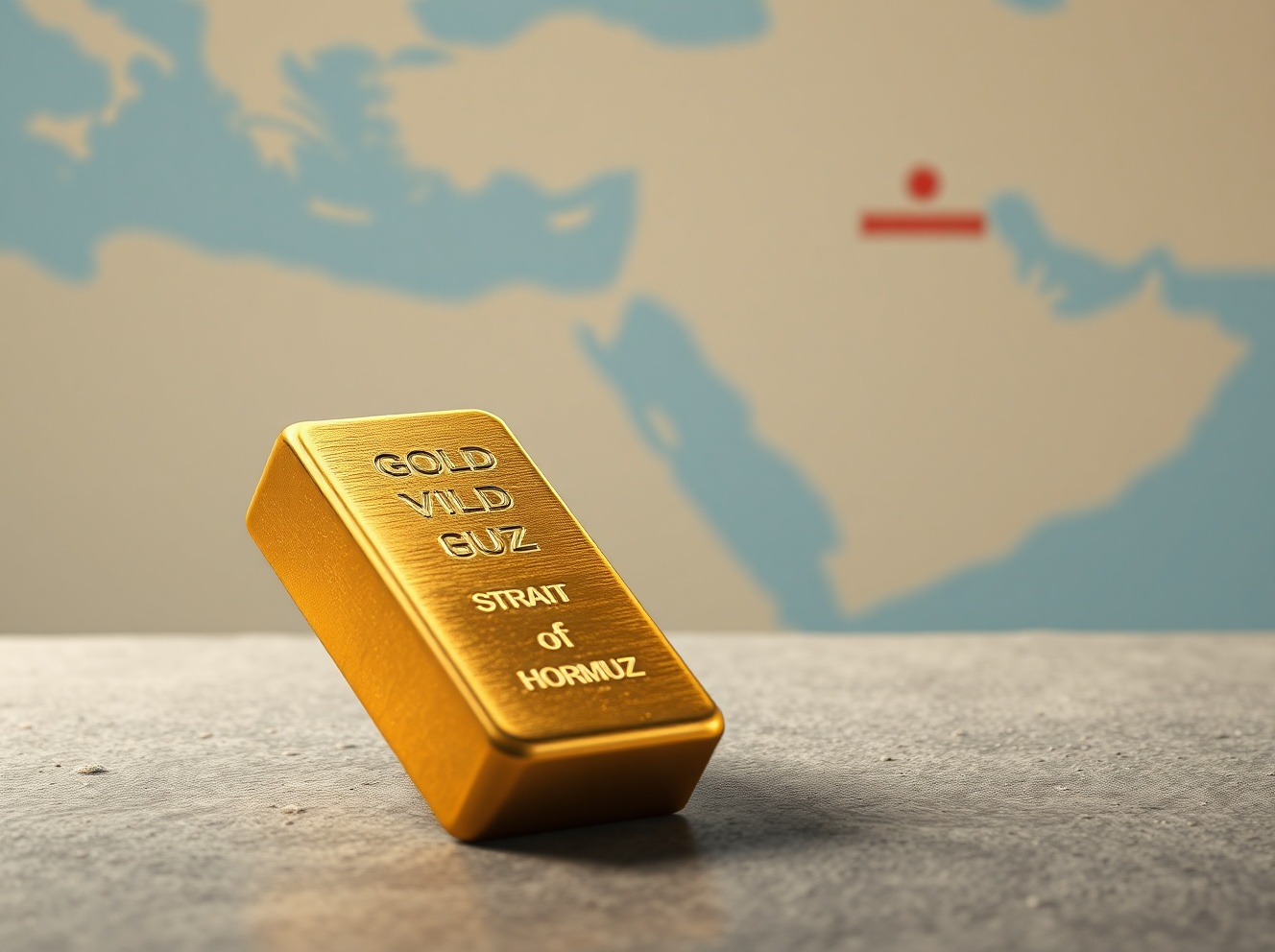
Gold Prices Plunge as Hormuz Tensions Fuel Dollar’s Surge Amid Fears of Hawkish Fed
Gold prices continue their downward trajectory this week, pressured by a potent combination of escalating geopolitical friction in the Middle East and shifting expectations for tighter monetary policy from the Federal Reserve. The precious metal, traditionally a safe haven, is finding itself overshadowed by a resurgent US dollar, which is drawing strength from both risk-off flows and interest rate differentials. This complex dynamic between physical conflict and financial policy is creating a uniquely challenging environment for bullion investors globally.
Gold Prices Under Pressure from Dual Forces
The standoff in the Strait of Hormuz, a critical chokepoint for global oil shipments, is paradoxically weighing on gold. Typically, such geopolitical instability triggers a flight to safety, boosting assets like bullion. However, the current situation is simultaneously driving investors toward the US dollar as the world’s primary reserve currency. Consequently, the dollar index (DXY) has rallied to multi-week highs. Since gold is priced in dollars, a stronger greenback makes it more expensive for holders of other currencies, dampening demand and exerting direct downward pressure on its spot price. Market data shows spot gold trading near its lowest levels in over a month, clearly reflecting this inverse relationship.
The Hawkish Federal Reserve Outlook
Compounding the dollar’s geopolitical boost are renewed hawkish signals from the Federal Reserve. Recent statements from Fed officials and stronger-than-expected economic data have led markets to recalibrate their interest rate expectations. Traders are now pricing in a higher probability that the Fed will maintain a restrictive policy stance for longer, or even implement additional rate hikes, to combat persistent inflationary pressures. Higher US interest rates increase the opportunity cost of holding non-yielding assets like gold. Therefore, as yields on US Treasury bonds rise, gold’s appeal diminishes significantly. This fundamental shift in monetary policy expectations is a primary driver behind the current sell-off in gold futures.
Analyzing the Historical Correlation
Historically, the relationship between real US interest rates (adjusted for inflation) and gold prices shows a strong negative correlation. When real yields rise, gold typically falls. Analysis of recent Treasury Inflation-Protected Securities (TIPS) yields confirms this pattern is currently in play. Furthermore, reduced physical demand from key markets, including central banks showing a temporary pause in accumulation, has removed a previous pillar of support for the bullion market. The table below summarizes the key pressures on gold:
| Factor | Impact on Gold | Mechanism |
|---|---|---|
| Stronger US Dollar (DXY) | Negative | Makes gold more expensive in other currencies |
| Rising US Treasury Yields | Negative | Increases opportunity cost of holding gold |
| Hawkish Fed Rhetoric | Negative | Signals higher future interest rates |
| Hormuz Tensions | Mixed/Indirectly Negative | Boosts demand for USD as a safe haven |
Geopolitical Risk in the Strait of Hormuz
The strategic Strait of Hormuz remains a persistent flashpoint, with recent incidents involving maritime security elevating regional tensions. Approximately 20% of the world’s oil supply transits through this narrow passage. Any significant disruption threatens global energy supplies, which can trigger volatility across financial markets. While such events historically provide a floor for gold prices, the current market interpretation is favoring dollar liquidity. Investors are seeking safety in the depth and liquidity of US dollar-denominated assets rather than physical bullion. This reflects a nuanced shift in risk perception where currency strength trumps tangible asset appeal in the immediate term.
Market Sentiment and Technical Levels
Technical analysis indicates that gold has broken below several key support levels, triggering automated selling. The next major support zone is watched closely by traders. Open interest in gold futures has declined, suggesting a unwind of long positions. Meanwhile, the relative strength index (RSI) for gold is approaching oversold territory, which may indicate a potential for a short-term technical rebound. However, for a sustained recovery, analysts note that a clear dovish pivot from the Fed or a de-escalation in the Middle East would likely be required to shift the fundamental narrative.
Broader Impact on Commodities and Currencies
The gold-dollar dynamic is rippling through related markets. Other dollar-denominated commodities, like silver and copper, are also facing headwinds. Conversely, commodity-linked currencies such as the Australian and Canadian dollars are softening against the USD. This broad-based dollar strength, fueled by both policy and geopolitics, is a dominant theme in global forex markets. Central banks in emerging markets, which hold significant gold reserves, are monitoring these fluctuations closely, as the valuation of their reserves is directly impacted.
Conclusion
In conclusion, gold prices are experiencing sustained pressure from an unusual confluence of events: geopolitical tension that strengthens the US dollar and firming expectations for a more hawkish Federal Reserve rate path. The traditional safe-haven role of gold is being challenged by the dollar’s dominance in times of stress. For the bearish trend to reverse, markets would need to see either a decisive de-escalation in the Hormuz standoff that weakens the dollar’s safe-haven bid, or a clear signal from the Fed that its tightening cycle is definitively complete. Until then, the path of least resistance for bullion appears skewed to the downside, with traders closely watching upcoming US inflation data and Federal Reserve communications for the next major catalyst.
FAQs
Q1: Why are gold prices falling when there is tension in the Middle East?
Typically, gold rises on geopolitical risk. However, the current Hormuz tensions are specifically boosting demand for the US dollar as a safe-haven currency. A stronger dollar makes gold more expensive for international buyers, which outweighs the direct safe-haven demand for bullion.
Q2: What does a ‘hawkish Fed’ mean for gold?
A hawkish Federal Reserve indicates a preference for higher interest rates to combat inflation. Higher rates increase the yield on competing assets like bonds, making non-yielding gold less attractive. They also generally strengthen the US dollar, further pressuring dollar-priced gold.
Q3: What is the Strait of Hormuz, and why is it important?
The Strait of Hormuz is a narrow maritime passage between Oman and Iran. It is critically important because roughly one-fifth of the world’s oil supply passes through it. Any disruption there can cause global oil price spikes and significant market volatility.
Q4: Could gold prices rebound soon?
A technical rebound is possible if prices become oversold. However, a sustained recovery would likely require a change in fundamentals, such as the Fed signaling an end to rate hikes or a reduction in Middle East tensions that weakens the US dollar.
Q5: Are other precious metals like silver affected similarly?
Yes, silver and other dollar-denominated commodities are often influenced by the same factors. A strong US dollar and higher interest rate expectations create headwinds for the entire complex, though silver also has significant industrial demand factors that can cause its price to diverge from gold’s.
This post Gold Prices Plunge as Hormuz Tensions Fuel Dollar’s Surge Amid Fears of Hawkish Fed first appeared on BitcoinWorld.


You May Also Like

XRP Faces Resistance, Eyes Key Support Levels

Grayscale Reveals Social Consensus As Critical Challenge For Future Security




