

The FDIC Just Dropped 191 Pages of Stablecoin Rules — Here’s What You Need to Know
TLDR
- The FDIC voted to propose a regulatory framework for stablecoin issuers under the GENIUS Act
- The proposal covers reserve assets, capital requirements, liquidity, and custody standards
- Stablecoins will not be covered by federal deposit insurance
- A 60-day public comment period has opened with 144 questions posed to the public
- The Senate is still debating potential changes to the law, including rules around stablecoin yield
The Federal Deposit Insurance Corporation has proposed a new set of rules for stablecoin issuers. This follows the passage of the Guiding and Establishing National Innovation for U.S. Stablecoins Act, known as the GENIUS Act, signed by President Donald Trump last year.
The FDIC voted on Tuesday to put forward the 191-page proposal. It is now open for a 60-day public comment period, during which the agency has posed 144 questions for public input.

The proposal sets out standards for stablecoin issuers that are subsidiaries of insured depository institutions. It covers reserve asset requirements, capital levels, liquidity rules, and custody standards.
FDIC Chair Travis Hill highlighted the rapid growth in the sector. He noted that banks and crypto firms are increasingly intersecting, with crypto companies seeking bank charters and traditional finance moving into digital assets.
The GENIUS Act requires that stablecoins be fully backed by U.S. dollars or similarly liquid assets. It also mandates annual audits for issuers with a market cap above $50 billion and sets rules for foreign issuance.
The FDIC made clear that stablecoins will not carry federal deposit insurance. The proposal states that payment stablecoins are not backed by the full faith and credit of the United States.
Yield and Rewards Programs
One area the FDIC addressed is stablecoin yield. Issuers will not be able to claim their tokens pay interest or yield simply for holding or using them. This includes arrangements made through third parties such as exchanges.
However, industry insiders have said that properly structured rewards programs should still be allowed under the rules as written.
The proposal also clarifies how deposit insurance applies to deposits held as reserves backing stablecoins. Tokenized deposits that meet the legal definition of a deposit would be treated the same as other deposits.
This is the second GENIUS Act proposal from the FDIC. The first, released in December, covered the issuer application process. The Office of the Comptroller of the Currency released its own proposal in February, and the Treasury Department issued a related notice last week focused on state-level oversight of smaller issuers.
Senate Still Debating Changes
While regulators push forward with implementation, the Senate is still working through some details of the GENIUS Act itself. A debate between the banking and crypto industries over yield-bearing stablecoins has gone on for months.
Lawmakers have said they are close to resolving the issue, but the bill has not yet advanced to a hearing. Congress returns from a break later this week.
The FDIC’s proposed rule will not be finalized until the agency reviews public comments and writes the final language, a process expected to take several more months.
The post The FDIC Just Dropped 191 Pages of Stablecoin Rules — Here’s What You Need to Know appeared first on CoinCentral.


You May Also Like
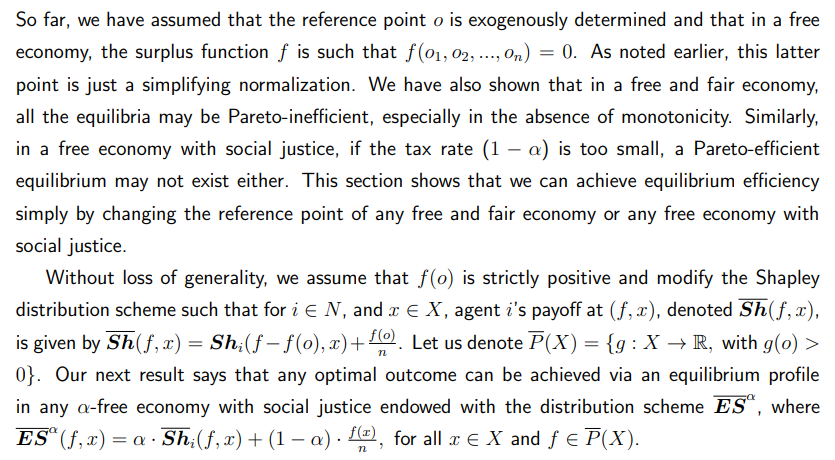
The Role of Reference Points in Achieving Equilibrium Efficiency in Fair and Socially Just Economies

Chinese Yuan’s Strategic Ascent: Analyzing Gradual Gains Against the US Dollar in 2025




