Strait of Hormuz Crisis: Iran’s Navy Defiantly Demands Passage Permission Despite US Agreement
BitcoinWorld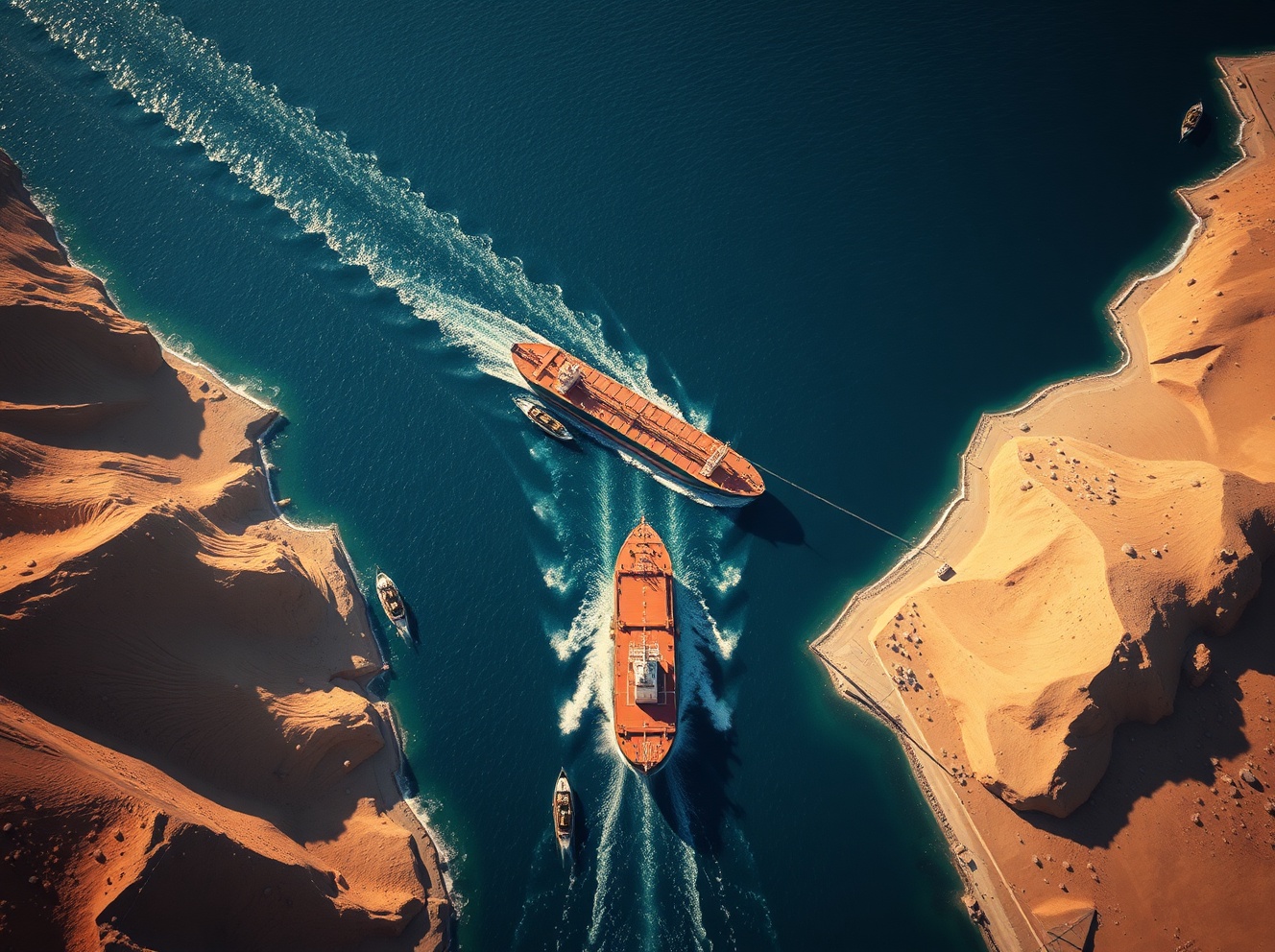
Strait of Hormuz Crisis: Iran’s Navy Defiantly Demands Passage Permission Despite US Agreement
STRAIT OF HORMUZ — Iran’s naval forces issued a stark warning to international shipping this morning, demanding mandatory authorization for all vessels attempting to transit the world’s most critical oil choke point. This defiant move directly contradicts a recent U.S.-brokered agreement to reopen the strategic waterway completely. The Iranian Navy broadcast a radio message to anchored ships, explicitly stating that any vessel attempting passage without permission from the Islamic Revolutionary Guard Corps Navy would face destruction.
Strait of Hormuz Becomes Flashpoint in US-Iran Standoff
The Iranian Navy’s announcement creates immediate tension in the Persian Gulf region. According to verified recordings obtained by The Wall Street Journal, the broadcast originated from Iranian naval vessels stationed near the strait’s entrance. Sailors aboard multiple commercial ships confirmed receiving the transmission, which specifically referenced the IRGC Navy as the sole authority for transit approvals.
This development follows President Trump’s announcement just days earlier regarding a temporary military de-escalation. The agreement stipulated a two-week halt to U.S. military actions against Iran, contingent upon the “complete, immediate, and safe” reopening of the Strait of Hormuz. However, visual evidence from the area contradicts this supposed reopening. Photographs and videos from merchant mariners show:
- Continued military presence: Fighter jets conducting patrols over Persian Gulf airspace
- Shipping gridlock: Dozens of commercial vessels remaining at anchor outside the strait
- Naval mobilization: Increased Iranian naval vessel activity near critical transit lanes
Historical Context of Persian Gulf Maritime Tensions
The Strait of Hormuz represents one of the world’s most strategically significant waterways. Approximately 21 million barrels of oil pass through daily, representing about 21% of global petroleum consumption. This narrow passage, only 21 nautical miles wide at its narrowest point, has been a recurring flashpoint in Middle Eastern geopolitics for decades.
Iran has historically asserted varying degrees of control over the strait, citing its territorial waters and security concerns. The current escalation follows a pattern of increased Iranian naval assertiveness that began in 2019. During that period, Iran seized multiple tankers and was accused of attacking commercial shipping. The table below illustrates key recent incidents:
| Date | Incident | Impact |
|---|---|---|
| June 2019 | Iran shoots down U.S. drone | Near military confrontation |
| July 2019 | Tanker seizures begin | Insurance rates spike 300% |
| September 2020 | U.S. sanctions tightened | Iranian oil exports drop 85% |
| Current | Passage permission demanded | Complete transit uncertainty |
Expert Analysis of Iranian Naval Strategy
Maritime security analysts note that Iran’s current posture serves multiple strategic purposes. First, it establishes Tehran’s leverage in ongoing negotiations regarding sanctions relief. Second, it demonstrates Iran’s capacity to disrupt global energy markets. Third, it reinforces Iran’s regional power projection capabilities against regional rivals like Saudi Arabia and the United Arab Emirates.
The Islamic Revolutionary Guard Corps Navy, which issued the transit warning, operates separately from Iran’s conventional navy. This branch specializes in asymmetric warfare tactics, including fast-attack craft, naval mines, and anti-ship missiles. Their control over strait transit represents a significant escalation from previous Iranian positions, which typically acknowledged international transit rights while reserving inspection authority.
Global Economic Implications of Shipping Disruption
The immediate economic consequences of restricted Strait of Hormuz transit are substantial. Energy markets reacted swiftly to the news, with Brent crude futures rising 4.2% in early trading. Shipping companies face difficult decisions regarding route alternatives, though few viable options exist for Middle Eastern oil exports.
Alternative routes would add significant costs and transit times:
- Pipeline networks: Limited capacity cannot replace tanker traffic
- Suez Canal: Adds 15+ days to Asia-bound shipments
- Cape of Good Hope: Adds 30+ days with substantial fuel costs
Insurance underwriters have already begun revising risk assessments for Persian Gulf voyages. Lloyd’s of London reportedly convened an emergency meeting to discuss war risk premium adjustments. Meanwhile, global manufacturing sectors dependent on stable energy prices face renewed uncertainty just as post-pandemic recovery gains momentum.
Regional Security Dynamics and International Response
The United States Fifth Fleet, based in Bahrain, maintains a significant presence in the Persian Gulf. However, the fleet has not issued any public statements regarding the Iranian transit demands. Regional allies, including Saudi Arabia and Israel, are monitoring developments closely. Both nations depend on unimpeded maritime traffic for their economic and security interests.
International maritime law, particularly the United Nations Convention on the Law of the Sea (UNCLOS), provides for transit passage through straits used for international navigation. While Iran is not a signatory to UNCLOS, customary international law generally supports free navigation through such choke points. The Iranian demand for prior authorization represents a significant challenge to established maritime norms.
Operational Realities for Commercial Shipping
Merchant captains currently anchored outside the Strait of Hormuz face operational dilemmas. Most vessels carry time-sensitive cargoes with contractual delivery obligations. Delays incur substantial demurrage charges, often exceeding $50,000 daily for very large crude carriers. However, attempting unauthorized transit risks vessel seizure or destruction.
Shipping companies are consulting legal teams regarding liability issues. Furthermore, crew safety concerns are paramount, as evidenced by increased requests for hazardous duty pay among seafarers assigned to Persian Gulf routes. The human element of this crisis involves thousands of international mariners caught in geopolitical crosscurrents.
Conclusion
The Strait of Hormuz situation represents a critical test of international maritime norms and U.S.-Iran diplomacy. Iran’s demand for passage permission directly challenges the recent agreement brokered by President Trump, creating immediate uncertainty for global energy markets. The continued presence of military assets and anchored commercial vessels suggests neither side has fully implemented the supposed de-escalation. As the world watches this strategic waterway, the coming days will determine whether diplomatic channels can prevent further escalation in one of the planet’s most economically vital regions.
FAQs
Q1: Why is the Strait of Hormuz so important?
The Strait of Hormuz is the world’s most important oil transit choke point. Approximately 21 million barrels of oil pass through daily, representing 21% of global petroleum consumption and 30% of all seaborne traded oil.
Q2: What legal authority does Iran have to control the strait?
International law generally permits transit passage through straits used for international navigation. However, Iran claims territorial waters extending 12 nautical miles from its coastline, which includes portions of the strait. The legality of demanding prior authorization is disputed under international maritime law.
Q3: How are oil prices affected by this situation?
Brent crude futures rose 4.2% following the announcement. Extended disruption could push prices significantly higher, as alternative shipping routes add substantial time and cost to oil deliveries.
Q4: What happens if a ship attempts passage without permission?
The Iranian Navy explicitly warned that unauthorized vessels would be destroyed. In practice, this could involve warning shots, boarding, seizure, or in extreme cases, military engagement.
Q5: Are there alternative routes for Middle Eastern oil exports?
Limited alternatives exist. Some oil can be redirected through pipelines, but these lack sufficient capacity. Shipping via the Suez Canal or around Africa’s Cape of Good Hope adds substantial transit time and cost, making them economically impractical for most shipments.
This post Strait of Hormuz Crisis: Iran’s Navy Defiantly Demands Passage Permission Despite US Agreement first appeared on BitcoinWorld.


You May Also Like

US Dollar Index Price Forecast: DXY slides to one-month lows, tests key SMA confluence

OpenVPP accused of falsely advertising cooperation with the US government; SEC commissioner clarifies no involvement