

World Bank approves $550M to expand Kenya’s fibre network by 1,270km in the Northern region
Kenya has secured $550 million in fresh World Bank funding to expand fibre optic infrastructure across its Northern region, connecting 3.2 million residents in one of the country’s most underserved areas.
In late March, the World Bank’s Board of Directors approved funding for a road and digital connectivity project that is part of a larger initiative focused on the Isiolo-Mandera corridor. This funding will be used to install 1,270 kilometres of high-capacity fibre optic cable and upgrade 508 kilometres of roads.
The World Bank is contributing Ksh 97.05 billion ($750 million) to a project, while the International Development Association is providing a credit that contributes to the total project cost of Ksh 115.9 billion ($895 million).
The cash disbursement, which began in 2021, is being distributed in stages and will continue until June 30, 2028.

Kenyan authorities aim to connect schools, hospitals and markets
The Kenya National Highways Authority will handle civil works, including trenching, ducting, and laying infrastructure for the fibre cables along the road corridor.
The Information and Communications Technology Authority (ICTA) will oversee the development of digital connectivity infrastructure. This project is estimated to cost Ksh 3.1 billion ($24.1 million). This includes feasibility studies, supervising the installation of cables, and constructing fibre optic networks to connect government offices and other public institutions.
The project will connect a minimum of 341 public locations to the internet. These locations include schools, hospitals, markets for nomadic herders, roadside rest areas, and community centres in Northern Kenya.
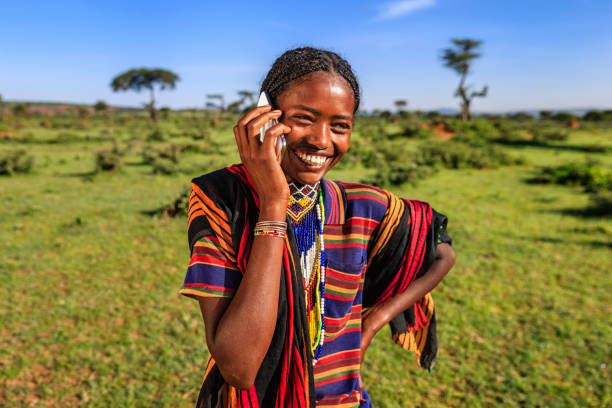
Currently, Kenya and Ethiopia do not have many fibre optic cables connecting them on land. Somalia does not have any. In Northern Kenya, most people use mobile internet. Some rely on expensive satellite and microwave linksSome people there use costly satellite and microwave connections to get online.
Similar read: Nigerian telcos recorded 577 network outages, 361 fibre cuts in Q1 2026
The project focuses on cheaper internet and improved connectivity
Combining road construction with fibre optic cable installation is expected to lower service delivery costs by 40%. This will likely result in similar savings for customers.
Qimiao Fan, the World Bank’s Director for Kenya, Rwanda, Somalia, and Uganda, stated that to promote inclusion and economic growth in the region, it is crucial to have comprehensive initiatives that improve connections, support people’s ability to earn a living, and generate employment opportunities.
“Multisectoral interventions that enhance connectivity, support livelihoods, create jobs, and strengthen resilience are essential to fostering inclusion, a shared sense of benefits, and, ultimately, fostering greater peace, security and economic growth,” Fan said.
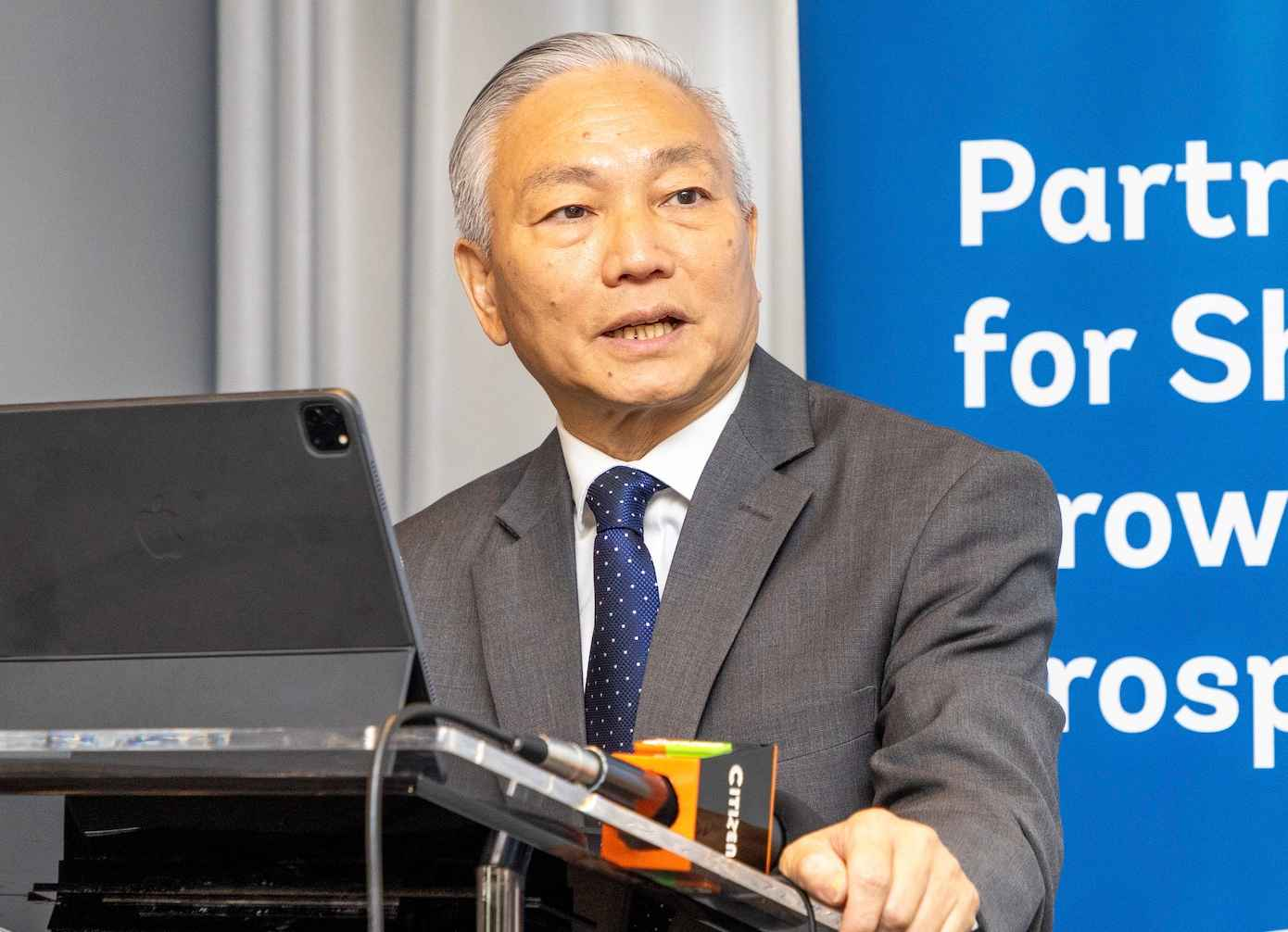 Qimiao Fan, World Bank’s Director for Kenya, Rwanda, Somalia, and Uganda
This project focuses on providing internet access to vulnerable and marginalized communities in northeastern Kenya. This region has historically had limited digital infrastructure, even though there is an increasing need for internet connectivity.
The fibre network expansion aims to bridge the digital divide between Kenya’s urban centres and remote northern regions, creating opportunities for education, healthcare, and economic activities that require reliable internet connectivity.


You May Also Like

Metaplanet buys 5,075 Bitcoin in Q1 to become 3rd-largest treasury

The changing face of elder care in Malaysia — Sayed Mohammad Reza Yamani Sayed Umar

Not a loophole: Singapore AI export controls let China tap US AI legally



