

Evaluating DeFi Projects: Key Metrics for Long-Term Viability
The DeFi ecosystem is littered with projects that looked promising on paper but failed to deliver sustainable value. Separating viable protocols from temporary hype requires looking beyond vanity metrics like total value locked. This guide, informed by insights from seasoned DeFi analysts and protocol researchers, breaks down four critical metrics that reveal whether a project can survive long-term.
- Track Post-Incentive Liquidity Hold Rates
- Prioritize Sticky Capital Over Headline Scale
- Favor Durable User-Driven Revenue Signals
- Adjust TVL for Token Dilution
Track Post-Incentive Liquidity Hold Rates
When evaluating the potential of an emerging DeFi project, the Net Liquidity Retention (NLR) metric is a vital indicator of long-term viability. While many investors focus on Total Value Locked (TVL) as a sign of success, raw TVL can be misleading if it is driven by temporary “vampire attacks” or unsustainable yield farming incentives. NLR measures the percentage of capital that remains in the protocol after the initial high-emissions “honeymoon phase” ends. A project that maintains a steady or growing NLR even as token rewards decrease demonstrates true product-market fit, suggesting that users value the protocol’s utility—such as its swap efficiency, lending rates, or security—more than just its native token’s inflationary rewards.
This metric helps you understand viability by distinguishing between “mercenary capital” and “sticky liquidity.” Mercenary capital is highly volatile and exits at the first sign of a better yield elsewhere, which can lead to a liquidity death spiral for a young project. In contrast, a high NLR indicates that the project is building a defensive moat based on architectural superiority or deep integration within the broader DeFi ecosystem. By analyzing the cost of liquidity (emissions) versus the value of retained capital, you can determine if the protocol is a sustainable financial machine or simply a temporary wealth redistribution scheme.
Prioritize Sticky Capital Over Headline Scale
One key metric I prioritize when evaluating an emerging DeFi project is the quality and sustainability of its Total Value Locked (TVL), rather than its absolute size. TVL on its own can be misleading, especially in early-stage projects where incentives artificially inflate liquidity. What matters is understanding where that liquidity comes from, how sticky it is, and whether it reflects genuine user demand or short-term yield farming behavior.
From a strategic perspective, this metric becomes particularly valuable when analyzed alongside user activity and revenue generation. A project with stable or growing TVL, supported by consistent transaction volumes and organic fee income, signals a healthier foundation. It suggests that users are not just chasing incentives, but actually relying on the protocol as part of their financial activity, something that is critical for long-term viability.
In the context of payments and digital financial infrastructure, this approach mirrors how we assess the robustness of any financial system: not by headline figures, but by the quality of flows and the resilience of usage. For investors and operators alike, the insight is clear, focus less on scale in isolation, and more on the underlying behavior that sustains it over time.
Favor Durable User-Driven Revenue Signals
The metric I look at most closely is the quality of protocol revenue, because it is one of the clearest indicators of leadership maturity in an emerging DeFi project.
In DeFi, traction can be engineered for a period. Liquidity can be incentivised, activity can be amplified and visibility can run ahead of substance. What is far harder to manufacture is revenue rooted in genuine usage. That is why the quality of protocol revenue matters. It offers a clearer view of whether a project is solving a real problem, creating repeatable demand and building with the discipline required to endure.
More importantly, it tells you something about the leadership behind the business. Strong teams tend to build for durability rather than noise. They are more rigorous in how they approach product utility, incentive design, governance and strategic trade-offs. Less mature teams may generate attention, but they often struggle to convert momentum into a credible, resilient operating model.
For that reason, protocol revenue is not simply a measure of activity. At its best, it is an early signal of whether the project is being led with enough judgement, clarity and resilience to evolve into credible long-term infrastructure. In an emerging DeFi project, the quality of protocol revenue is often less a measure of momentum than a measure of whether the leadership has the judgement to build something that lasts.
Adjust TVL for Token Dilution
TVL adjusted for token inflation.
I check total value locked against fully diluted token supply. Projects with 50%+ FDV in inflated governance tokens signal coming dumps when unlocks hit.
Why it predicts viability: High TVL from real users (ETH, stables) shows product market fit. Token-stuffed TVL evaporates post-vesting. Skipped one DEX at $200M TVL/3B FDV. It crashed 87% after team dump. Saved 6 figures.
Use it: DefiLlama TVL page. Cross-check CoinGecko unlocks. Anything over 30% circulating supply gets my buy.
Related Articles
- DeFi Security Insights: What Experts Look for in Emerging Projects – BlockTelegraph
- Investing in DeFi: 6 Essential Questions to Ask – BlockTelegraph
- 9 Best Practices for Assessing Cryptocurrency Projects


You May Also Like

What Are Malicious LLM Routers and How Can They Steal Your Crypto?
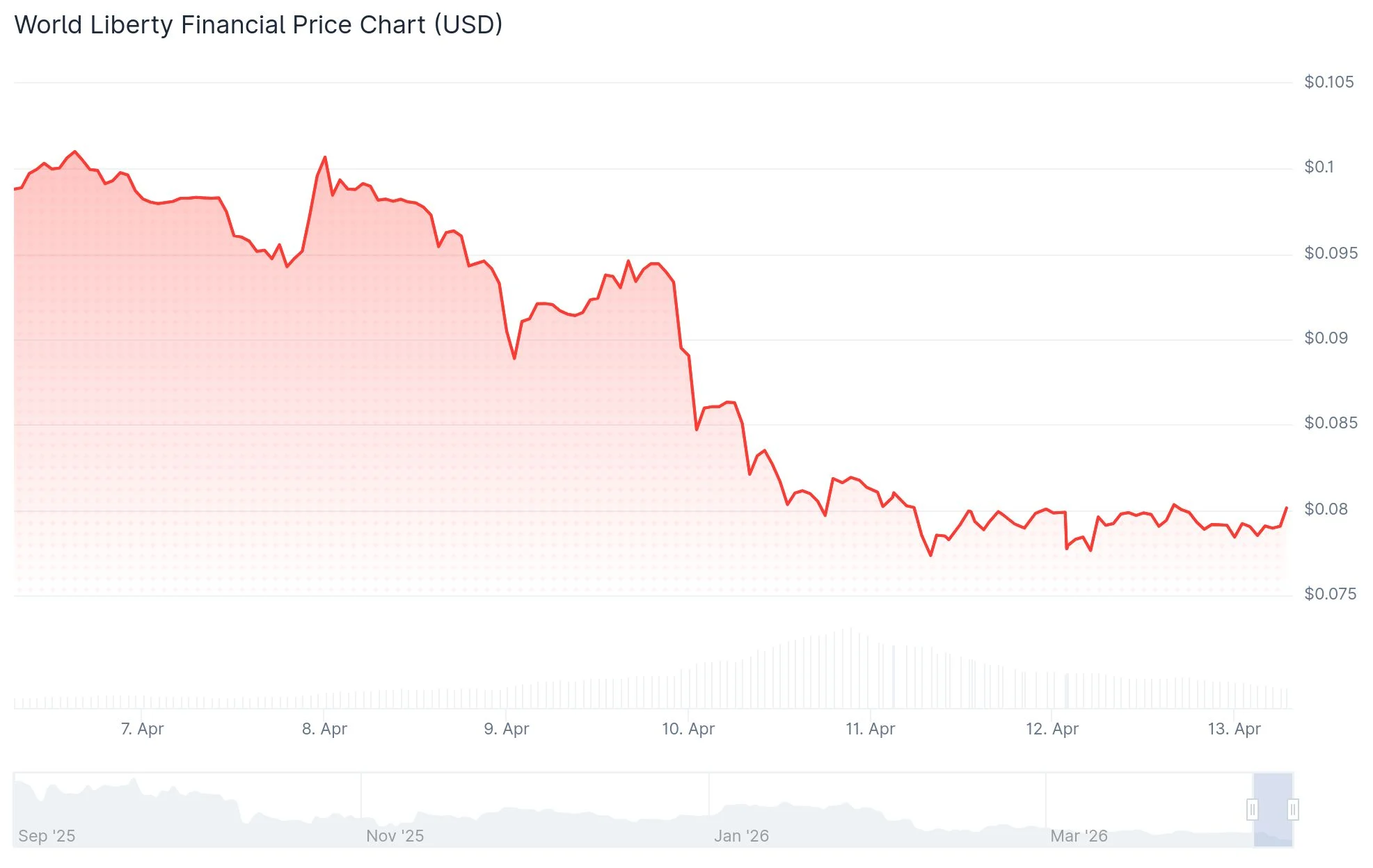
World Liberty Financial (WLFI): Critical Analysis Every Potential Investor Must Read




