Crucial US-Iran Talks Continue: Vice President Vance Confirms Progress Toward Historic Deal
BitcoinWorld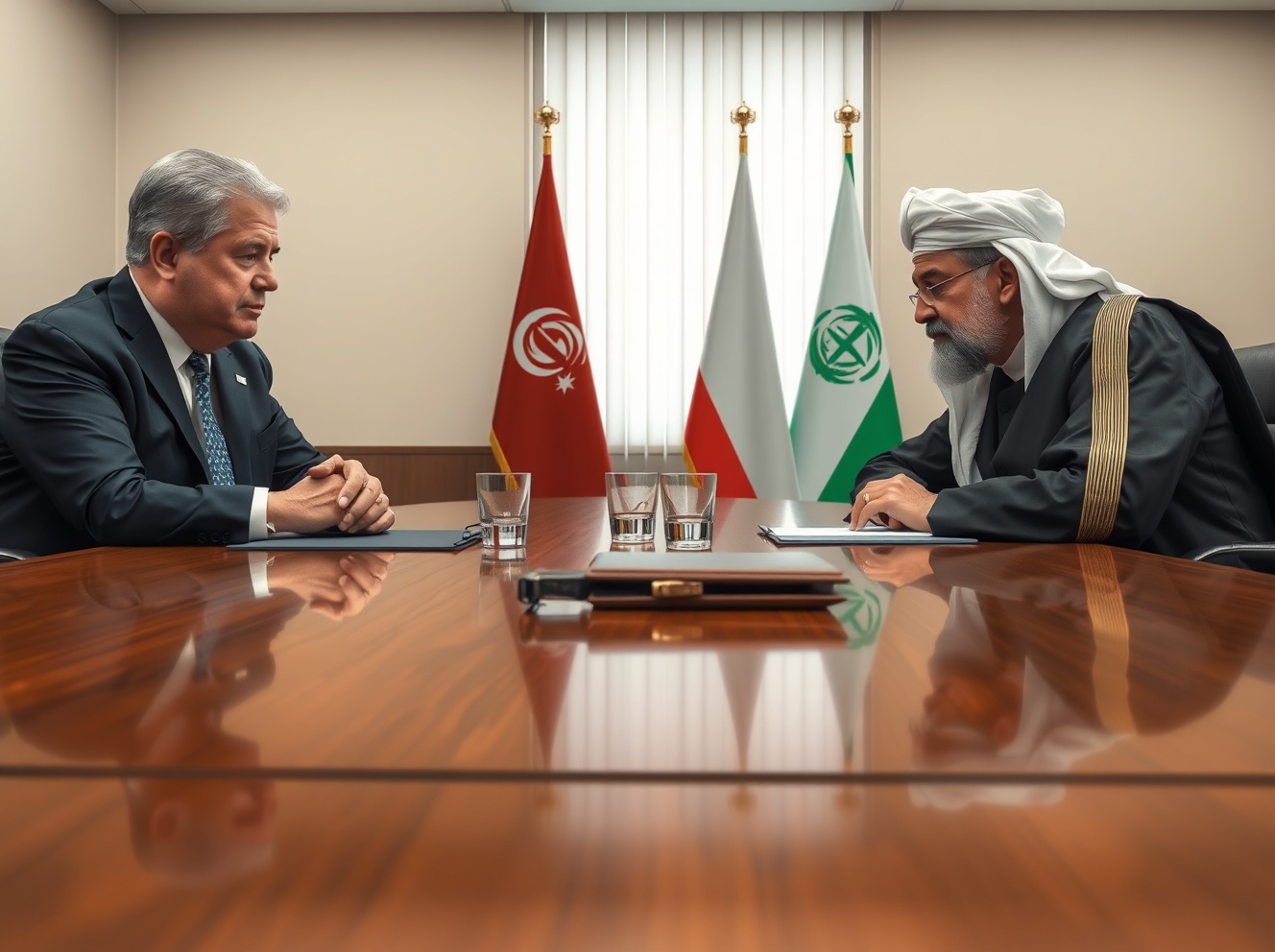
Crucial US-Iran Talks Continue: Vice President Vance Confirms Progress Toward Historic Deal
WASHINGTON, D.C., March 2025 – US Vice President JD Vance confirmed today that diplomatic negotiations with Iran will continue as both nations work toward a potential agreement, marking a significant development in Middle East diplomacy. This announcement follows months of behind-the-scenes discussions and represents the most substantial diplomatic engagement between the two countries in years.
US-Iran Talks Continue Amid Complex Negotiations
Vice President Vance made the statement during a press briefing at the White House. He emphasized the administration’s commitment to diplomatic solutions. Furthermore, he noted that both sides recognize the importance of continued dialogue. The talks focus on multiple interconnected issues. These issues include regional security concerns and economic considerations.
Diplomatic sources indicate negotiations have progressed through several working groups. Technical experts from both nations have engaged in detailed discussions. Consequently, these working groups address specific components of a potential comprehensive agreement. The current phase builds upon earlier exploratory conversations held in neutral locations.
Historical Context of US-Iran Relations
US-Iran relations have experienced significant turbulence over decades. The relationship reached a low point following the US withdrawal from the Joint Comprehensive Plan of Action (JCPOA) in 2018. Subsequently, tensions escalated through a series of confrontations. However, recent years have seen gradual diplomatic re-engagement.
The current negotiations represent the third major diplomatic effort between the nations. Previous agreements include the 2015 nuclear deal and earlier confidence-building measures. Each negotiation cycle has addressed similar core concerns while adapting to changing regional dynamics.
Expert Analysis of Negotiation Dynamics
Middle East policy analysts note several factors distinguish current talks. First, regional alignment shifts have created new diplomatic opportunities. Second, economic pressures on both nations provide additional motivation for resolution. Third, leadership changes in both countries have altered negotiation approaches.
Dr. Sarah Chen, a senior fellow at the Center for Strategic Studies, explains the current situation. “The negotiation framework appears more comprehensive than previous efforts,” she observes. “Both sides seem to recognize that isolated agreements prove insufficient. Therefore, they pursue a package addressing multiple concerns simultaneously.”
Key Negotiation Points and Potential Outcomes
Multiple issues dominate the negotiation agenda. Nuclear program limitations remain central to discussions. Regional security arrangements receive equal attention. Additionally, economic sanctions relief represents a critical component for Iran.
The potential agreement structure might include several key elements:
- Nuclear program verification: Enhanced monitoring and inspection mechanisms
- Regional security framework: Confidence-building measures with neighboring states
- Sanctions relief timeline: Phased approach based on verification milestones
- Economic cooperation: Limited areas for mutually beneficial engagement
- Dispute resolution: Clear mechanisms for addressing implementation concerns
Regional Reactions and International Response
Regional powers have responded cautiously to the announcement. Gulf Cooperation Council members generally support diplomatic resolution. However, they emphasize the need for inclusive regional security arrangements. Meanwhile, Israel has expressed concerns about potential agreement terms.
European allies have welcomed continued dialogue. The European Union has offered technical support for verification mechanisms. Additionally, Russia and China have both expressed support for diplomatic solutions. International organizations monitor developments closely.
Economic Implications and Market Responses
Financial markets have shown measured responses to the diplomatic news. Energy markets particularly watch negotiation developments. Any comprehensive agreement could significantly impact global oil supplies. Consequently, energy analysts track negotiation progress carefully.
Regional economic integration represents another consideration. Neighboring states anticipate potential economic benefits from reduced tensions. Trade corridors might reopen with successful agreement implementation. Investment patterns could shift toward previously restricted sectors.
Implementation Challenges and Verification Mechanisms
Previous agreements faced significant implementation difficulties. Verification remains particularly challenging given technical complexities. Both sides must develop mutually acceptable monitoring approaches. International atomic energy experts might play crucial verification roles.
The table below outlines potential verification mechanisms under discussion:
| Mechanism Type | Potential Implementation | Monitoring Body |
|---|---|---|
| Nuclear Site Access | 24/7 monitoring at declared facilities | IAEA with technical support |
| Regional Security | Multilateral observation teams | Neutral third-party states |
| Economic Provisions | Financial transaction monitoring | International banking authorities |
Domestic Political Considerations
Both nations face domestic political pressures regarding negotiations. In the United States, congressional approval processes might prove challenging. Various political factions hold differing views on appropriate agreement terms. Meanwhile, Iranian political dynamics similarly influence negotiation flexibility.
Public opinion in both countries shows complex patterns. Some segments strongly support diplomatic engagement. Other groups remain skeptical about potential outcomes. Consequently, negotiators must balance international and domestic considerations simultaneously.
Conclusion
US-Iran talks continue under Vice President Vance’s confirmation, representing a crucial diplomatic development. The negotiations address complex, interconnected issues with significant regional implications. While challenges remain substantial, continued dialogue offers potential pathways toward reduced tensions. Ultimately, successful negotiations could reshape Middle East dynamics and establish new frameworks for international cooperation. The coming months will prove critical for determining whether these US-Iran talks translate into sustainable agreements.
FAQs
Q1: What are the main issues in the US-Iran negotiations?
The negotiations primarily address nuclear program limitations, regional security arrangements, economic sanctions relief, and verification mechanisms for any agreement.
Q2: How does this negotiation differ from previous diplomatic efforts?
Current talks appear more comprehensive, addressing multiple concerns simultaneously rather than focusing exclusively on nuclear issues, and occur amid different regional alignments and leadership approaches.
Q3: What role does Vice President Vance play in the negotiations?
Vice President Vance provides high-level confirmation and political support for continued diplomatic engagement, working with Secretary of State and diplomatic teams conducting detailed negotiations.
Q4: How have regional powers responded to the announcement?
Regional responses have been cautious, with Gulf states generally supporting diplomacy while emphasizing inclusive security frameworks, and Israel expressing concerns about potential agreement terms.
Q5: What are the potential economic impacts of a comprehensive agreement?
A successful agreement could affect global energy markets, facilitate regional trade, enable new investment patterns, and potentially reduce military expenditures for multiple nations.
This post Crucial US-Iran Talks Continue: Vice President Vance Confirms Progress Toward Historic Deal first appeared on BitcoinWorld.


You May Also Like

$280M drained via social engineering

iM Bank Pilots Korea’s First Blockchain Prepaid Service