

Meet the 2 Nigerian startups selected for Qualcomm Make in Africa 2026 Cohort
The Qualcomm Make in Africa Program is returning with 10 startups selected for the 2026 cohort. The program will offer participants mentorship, access to advanced technology and funding opportunities.
The Qualcomm program, currently in its fourth year, aims to help startups grow their footprint and expand their solutions across Africa and beyond. It also seeks to strengthen Africa’s startup ecosystem by supporting startups using innovative models to solve the continent’s critical problems.
The company’s President, Middle East and Africa, and Senior Vice President, Government Affairs, Europe, Middle East and Africa, Wassim Chourbaji, reacted to the development.
“This year’s startups’ achievements are a powerful testament to Africa’s flourishing innovation ecosystem. Four years into Qualcomm Make in Africa, what stands out is not only the growing number of applications we receive, but the increasing sophistication of the solutions being built.”
 Wassim Chourbaji
All 10 startups were selected from over 1,200 applications from 45 African countries, highlighting the growing number of startups in Africa and the increasing importance of mentorship for growth.
The selected startups span different parts of Africa, including: Anatsor (Nigeria), D-Olivette Labs (Nigeria), MVUTU (Green Box) (Republic of Congo), Sesi Technologies (Ghana) and TWave (Uganda).
Others are Amperra Charging Company (Namibia), Safe Sip (Tanzania), QualiKeeper Investments (Zambia), Mindora Corporation (Zimbabwe) and Zerobionic (Kenya).
During the program, each startup will participate in a seven-month mentorship program with resources such as training, masterclasses, and access to Qualcomm technologies.
Each startup will receive a $5,000 stipend upon successful completion of program requirements. Also, those who file patents during the program can claim up to $5,000 in filing fee reimbursements.
At the program’s finale, one startup will be awarded a Social Impact Fund grant from Qualcomm for Good.
The startups operate across sectors such as agriculture, clean energy, education, assistive technology, and smart infrastructure. All reflecting how founders are using innovation to tackle some of Africa’s most pressing challenges.
Also Read: Nigerian agritech startup Kitovu makes Qualcomm Make in Africa 2024 cohort.
Meet the two Nigerian startups
Anatsor
Founded in 2022 by Abuja-based Agbo Miriam, Anatsor Ltd is an agricultural technology (AgTech) startup with specific ties to Jos, Plateau State, and Abuja.
Anatsor is helping poultry farmers to efficiently manage their daily operations through a digital system that improves productivity and tracks animal health.
In the past three years, Anatsor has developed a significant smart poultry management system that is revolutionising how farmers operate across Africa.
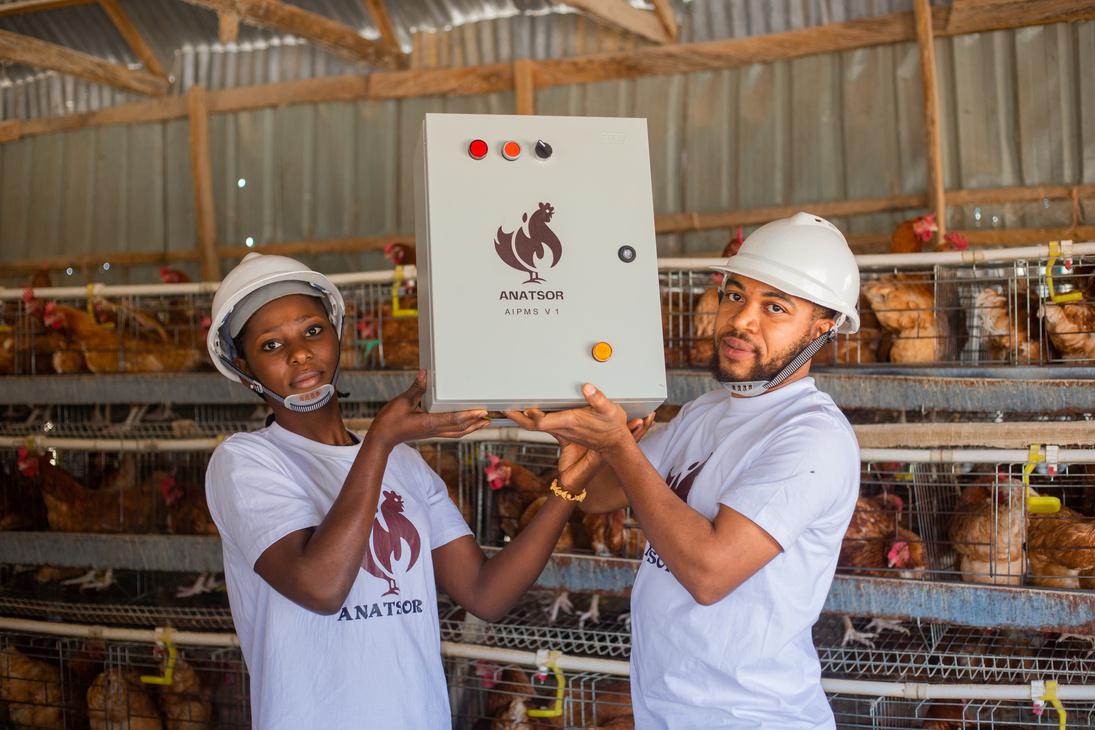 Anatsor
The startup has gained recognition in Nigeria as a top female-led agritech startup, with the founder among the top 15 finalists for the 2025 “Invest in Her” pitch competition in Abuja and also recognised by the NASENI Innovation Hub.
D-Olivette Labs
Founded in 2018 by Tunde Adeyemi, D-Olivette Labs is a carbon trust and domestic bio-refinery that builds and distributes technologies that turn biodegradable and organic waste into clean energy, reusable clean water, and more food. These tools support sustainable farming practices.
The startup develops smart domestic digestion technology that turns organic waste into clean energy and more food.
D-Olivette’s main product, the Kitchen Box, turns organic waste into 100% safe and clean cook-fuel and electricity. Other core products are the Bio-Tank, Bio-Station, and 360 Chatbot.
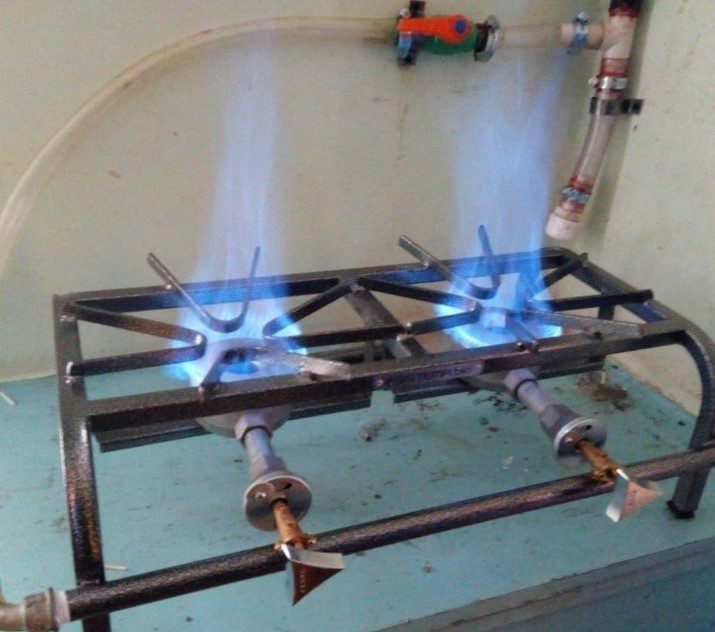 D-Olivette: Turning waste to data
About 20,000 rural women use the D-Olivette’s Kitchen Box daily, while over 5,000 rural Nigerian women are reselling excess biogas and organic fertiliser.
The founder, Tunde Adeyemi, is a PhD researcher and a recipient of multiple awards for his work in sustainable energy, including the DAAYTA 2022 prize and the 2025 NSIA innovation top prize.
D-Olivette is a finalist of the EU-UNDP’s Growth Stage Impact Ventures (GSIV) program in Nigeria, in the consumer goods sector.
You May Also Like

Why a $4 Million Nest Egg at 70 Really Only Buys $88,000 of Real Annual Spending

Fox's Peter Doocy mocked for hyping turnout for Trump event — in front of near-empty field

Solana price confirms bearish crossover following Drift exploit, will it crash?

