

Federal Reserve’s Crucial Warning: Rates May Stay on Hold as Oil Prices Threaten Inflation Target
BitcoinWorld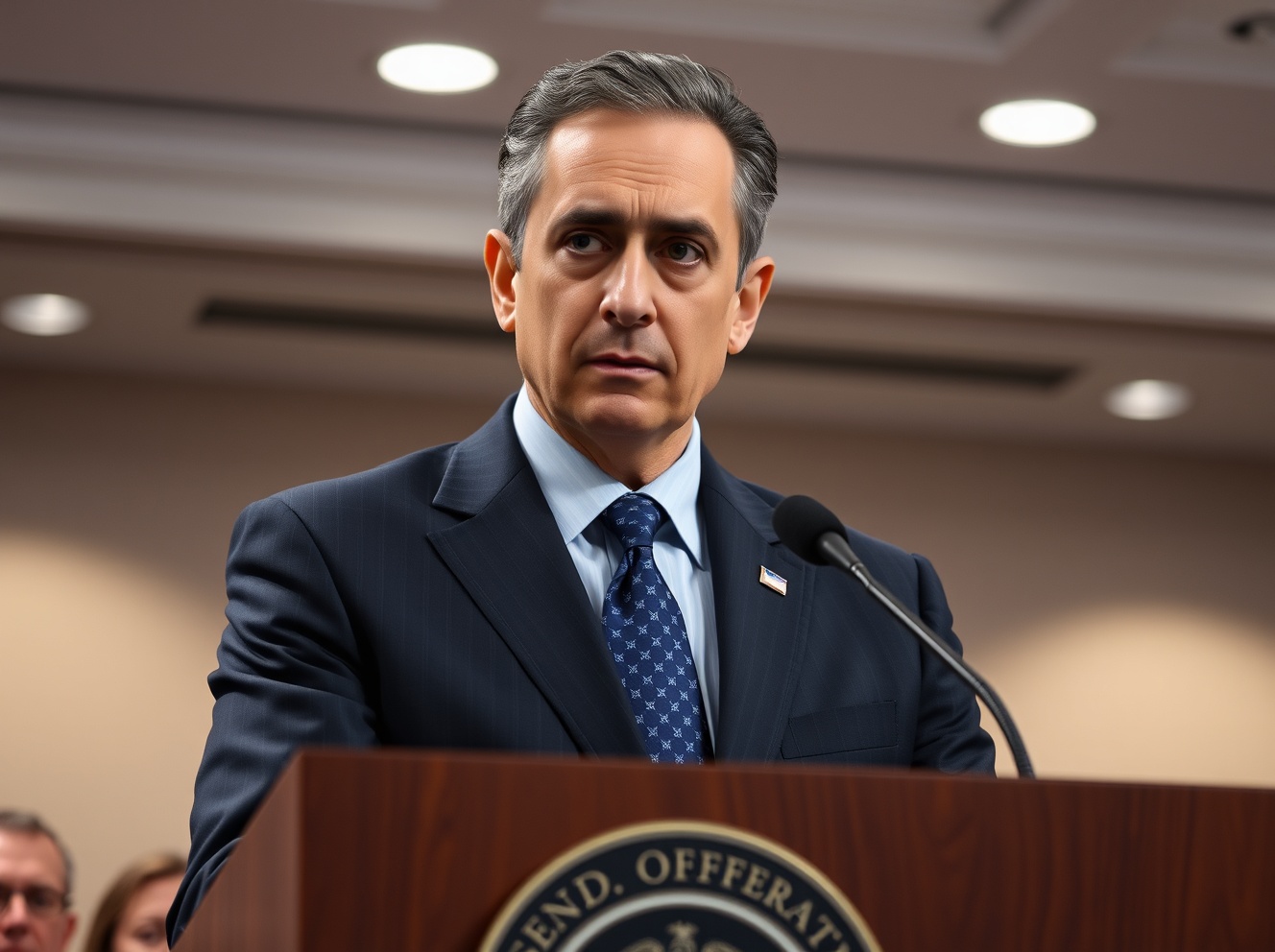
Federal Reserve’s Crucial Warning: Rates May Stay on Hold as Oil Prices Threaten Inflation Target
In a significant development for global financial markets, St. Louis Federal Reserve President Alberto Musalem delivered a crucial warning on April 15, 2025, stating that persistently high oil prices could force the central bank to maintain current interest rates for an extended period. This announcement immediately sent ripples through cryptocurrency and traditional markets, as investors recalibrated their expectations for monetary policy tightening. Musalem’s analysis suggests core inflation might remain stubbornly above the Fed’s 2% target throughout the year, potentially keeping benchmark rates in their current 3.50% to 3.75% range.
Federal Reserve’s Inflation Warning and Rate Hold Strategy
President Musalem presented a detailed assessment of current economic pressures during his April address. He specifically highlighted how elevated oil prices create a direct transmission mechanism to core inflation measures. Consequently, the Fed projects year-end core inflation around 3% or slightly below. However, Musalem acknowledged clear risks of further increases. This persistent inflationary pressure fundamentally shapes the central bank’s current policy stance.
The Federal Reserve now faces a complex balancing act between controlling inflation and supporting economic growth. Musalem explained the institution’s likely approach involves maintaining the current benchmark rate while closely monitoring incoming data. This data includes monthly inflation reports, employment figures, and broader economic indicators. Many Federal Reserve colleagues reportedly share this cautious, data-dependent perspective.
The Oil Price Transmission Mechanism
Energy costs influence core inflation through multiple channels beyond direct fuel prices. Transportation expenses increase for goods movement. Manufacturing costs rise for petroleum-based products. Additionally, energy-intensive services face higher operational expenses. Musalem identified this as the third negative oil supply shock within twelve months. Previous shocks originated from geopolitical tensions and production cuts. The cumulative effect creates sustained upward pressure on prices across multiple economic sectors.
Broader Economic Factors Influencing Fed Policy
Several additional factors complicate the Federal Reserve’s policy decisions beyond oil markets. Last year’s tariff increases initially contributed to inflationary pressures. However, their effects now show signs of fading according to recent data analysis. Housing inflation, another significant component, demonstrates a gradual slowing trend. Despite these moderating factors, Musalem remains vigilant about potential inflation expectation shifts.
The Federal Reserve President explicitly stated his openness to raising rates if necessary. This contingency would activate if rising prices begin pushing up long-term inflation expectations among consumers and businesses. Such expectations can become self-fulfilling prophecies, making inflation control considerably more challenging for central bankers.
Labor Market and Immigration Policy Impacts
Musalem’s analysis extended to labor market dynamics and recent policy changes. Stricter immigration rules potentially affect workforce availability across multiple industries. This development could create upward pressure on wages, particularly in sectors experiencing labor shortages. Combined with tariff policies and energy shocks, these factors create a complex risk matrix for both inflation outlook and employment stability.
The following table summarizes key economic factors influencing Federal Reserve policy:
| Factor | Current Trend | Inflation Impact | Policy Consideration |
|---|---|---|---|
| Oil Prices | Elevated, volatile | High direct & indirect pressure | Primary reason for rate hold |
| Tariff Effects | Fading gradually | Moderating positive contribution | Reducing inflationary pressure |
| Housing Inflation | Slowing pace | Gradual deceleration | Supporting disinflation trend |
| Labor Market | Tight with policy changes | Potential wage pressure | Monitoring for second-round effects |
Economic Growth Projections Amid Policy Constraints
Despite the challenging inflationary environment, Musalem maintains a cautiously optimistic growth outlook. He projects the economy will expand between 1.5% and 2% this year. This represents a noticeable slowdown from previous years but avoids recession territory. The projection assumes several conditions including stable financial markets and no additional major supply shocks.
The Federal Reserve’s current policy stance reflects this growth-inflation tradeoff. Maintaining rates at current levels attempts to balance several objectives:
- Controlling inflation without triggering recession
- Supporting employment while preventing overheating
- Managing financial stability across asset classes
- Providing policy predictability to market participants
Cryptocurrency markets particularly monitor these developments because monetary policy significantly influences digital asset valuations. Higher interest rates typically strengthen the US dollar, creating headwinds for bitcoin and other cryptocurrencies. Extended rate holds provide more predictable conditions for crypto investors assessing macroeconomic backdrops.
Historical Context and Policy Evolution
The current situation differs markedly from the Federal Reserve’s position just two years earlier. In 2023, the central bank aggressively raised rates to combat post-pandemic inflation. That tightening cycle brought rates from near-zero levels to their current range. The transition from rapid hikes to extended holds represents a new phase in monetary policy normalization.
Previous Federal Reserve chairs have navigated similar oil-driven inflationary episodes. Former Chair Paul Volcker confronted oil shocks during the 1970s and early 1980s. More recently, Ben Bernanke managed energy price volatility following the 2008 financial crisis. Current Chair’s approach appears more measured than Volcker’s aggressive tightening but more vigilant than Bernanke’s extended accommodation.
Market Implications and Forward Guidance
Financial markets closely analyze Federal Reserve communications for policy signals. Musalem’s remarks provide important forward guidance about likely rate trajectories. The “higher for longer” scenario now appears increasingly probable based on his assessment. This has immediate implications for various asset classes including bonds, stocks, and cryptocurrencies.
Bond markets must price in extended periods of positive real yields. Equity markets face valuation pressures from higher discount rates. Cryptocurrency markets encounter mixed signals—higher rates typically create headwinds, but inflation hedging demand might provide offsetting support. Market participants will monitor several key indicators in coming months:
- Monthly CPI reports for inflation trajectory confirmation
- Oil inventory data and geopolitical developments
- Employment reports indicating wage pressure trends
- Consumer sentiment surveys measuring inflation expectations
Global Central Bank Coordination
The Federal Reserve’s policy decisions influence global financial conditions significantly. Other major central banks including the European Central Bank and Bank of England face similar inflationary challenges. However, their specific circumstances differ regarding energy dependencies and economic structures. Coordinated but not identical policy approaches likely emerge across major economies.
Emerging market central banks face particular challenges from Federal Reserve policy. Dollar strength increases debt servicing costs for dollar-denominated obligations. Capital flow volatility often accompanies US monetary policy shifts. These global interconnections amplify the importance of clear Federal Reserve communication and predictable policy implementation.
Conclusion
Federal Reserve President Alberto Musalem’s April warning clearly signals that interest rates may stay on hold for an extended period due to persistent oil-driven inflation pressures. The central bank faces complex tradeoffs between controlling prices and supporting growth. While some inflationary factors show moderation, energy market volatility creates ongoing challenges. Market participants should prepare for continued monetary policy vigilance with data-dependent adjustments. The Federal Reserve’s cautious approach aims to navigate these crosscurrents while maintaining economic stability and controlling inflation toward its 2% target.
FAQs
Q1: Why does the Federal Reserve care about oil prices when setting interest rates?
Oil prices directly and indirectly influence inflation through transportation costs, manufacturing expenses, and energy services. Since the Fed’s mandate includes price stability, energy costs significantly impact monetary policy decisions.
Q2: How long might the Federal Reserve keep rates at current levels?
President Musalem indicated rates may need to stay on hold for “some time” while monitoring incoming data. This likely means several months at minimum, potentially extending through 2025 if inflation remains elevated.
Q3: What would cause the Fed to raise rates instead of holding them steady?
The Fed would consider raising rates if inflation expectations begin rising significantly, if wage growth accelerates substantially, or if additional supply shocks create new inflationary pressures beyond current projections.
Q4: How do Federal Reserve rate decisions affect cryptocurrency markets?
Higher interest rates typically strengthen the US dollar, creating headwinds for cryptocurrencies. Extended rate holds provide more predictable conditions, while inflation concerns might increase bitcoin’s appeal as a potential hedge against currency devaluation.
Q5: What economic growth rate does the Fed project despite inflation concerns?
President Musalem expects the economy to grow between 1.5% and 2% this year, representing a slowdown from previous years but avoiding recession territory amid ongoing inflationary pressures.
This post Federal Reserve’s Crucial Warning: Rates May Stay on Hold as Oil Prices Threaten Inflation Target first appeared on BitcoinWorld.


You May Also Like

B2B eCommerce Website Development: Build Scalable Digital Commerce with Branxify

Shiba Inu Price Holds Range as Trader Confidence Weakens




