

Iran Urges Pakistan to Have US Withdraw Excessive Demands: Critical Diplomatic Standoff Unfolds
BitcoinWorld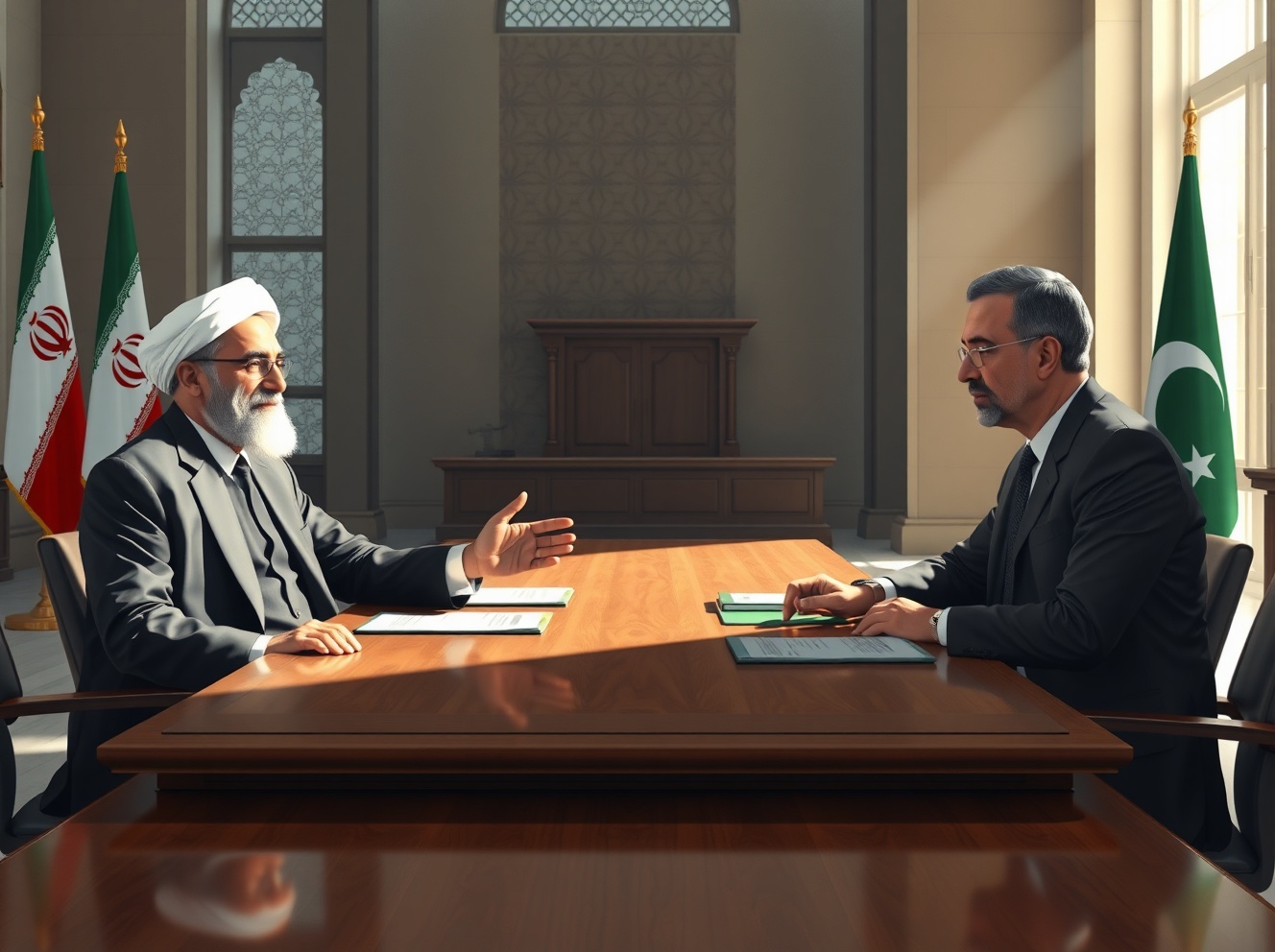
Iran Urges Pakistan to Have US Withdraw Excessive Demands: Critical Diplomatic Standoff Unfolds
In a significant diplomatic development reported on March 15, 2025, Iran has formally urged Pakistan to facilitate the withdrawal of what it terms “excessive demands” by the United States, creating a complex triangular dynamic in an already volatile region. This request, conveyed through official channels and reported by Iran’s Tasnim News Agency, represents a critical juncture in Middle Eastern geopolitics with potential ramifications for global energy markets, regional security frameworks, and international diplomatic alignments. The timing coincides with renewed negotiations over nuclear agreements, regional security pacts, and economic sanctions relief that have dominated international discourse throughout early 2025.
Iran Pakistan Relations Face Diplomatic Test
Iran’s direct appeal to Pakistan marks a strategic diplomatic maneuver. Consequently, Tehran seeks to leverage its longstanding relationship with Islamabad amid escalating regional tensions. Historically, Iran and Pakistan have maintained complex relations characterized by both cooperation and competition. Their shared 959-kilometer border, cultural connections, and economic interdependencies create natural ties. However, divergent geopolitical alignments and security concerns have frequently strained this relationship.
Pakistan maintains significant military and economic partnerships with both regional powers and Western nations. Meanwhile, Iran faces comprehensive international sanctions and diplomatic isolation from Western blocs. This positioning gives Pakistan unique leverage as a potential mediator. The current request specifically involves Pakistan advocating for reduced US demands in ongoing multilateral negotiations.
Key areas of US demands that Iran considers excessive include:
- Nuclear program restrictions beyond previous JCPOA parameters
- Regional military activity limitations affecting Iranian defensive capabilities
- Missile technology development constraints impacting national security infrastructure
- Economic partnership restrictions with neighboring countries including China and Russia
Historical Context of Triangular Relations
The current diplomatic situation represents the latest chapter in decades of complex interactions. During the Cold War, Pakistan aligned closely with the United States while Iran maintained regional independence. Following the 1979 Iranian Revolution, relations between Tehran and Washington deteriorated dramatically. Pakistan has frequently attempted to balance relations with both nations, though this balancing act has grown increasingly difficult.
In recent years, several factors have intensified these diplomatic challenges:
| Year | Key Development | Impact on Iran-Pakistan-US Relations |
|---|---|---|
| 2018 | US withdrawal from JCPOA | Increased pressure on Pakistan to choose sides |
| 2021 | Afghanistan withdrawal | Created security vacuum affecting both nations |
| 2023 | China-mediated Iran-Saudi détente | Reduced regional tensions but complicated US strategy |
| 2024 | Renewed nuclear negotiations | Increased diplomatic activity with new demands |
Regional Security Implications and Economic Impacts
This diplomatic development carries significant security implications for South Asia and the Middle East. Pakistan faces competing pressures from multiple directions. The United States remains Pakistan’s largest export market and a major source of military assistance. Conversely, Iran represents a crucial neighbor with whom Pakistan shares substantial economic and security interests.
Regional experts note several critical considerations. First, border security cooperation between Iran and Pakistan affects counterterrorism efforts. Second, energy partnerships, particularly the Iran-Pakistan gas pipeline project, face continued uncertainty due to US sanctions. Third, both nations confront shared challenges including water scarcity and refugee populations.
Economic data reveals the complex interdependencies:
- Bilateral trade between Iran and Pakistan reached approximately $1.2 billion in 2024
- Pakistan-US trade exceeded $6.8 billion during the same period
- An estimated 3 million Pakistani workers reside in Middle Eastern countries
- Remittances from these workers contribute significantly to Pakistan’s economy
Expert Analysis of Diplomatic Strategy
Diplomatic analysts suggest Iran’s approach represents calculated positioning rather than spontaneous reaction. By appealing directly to Pakistan through official media channels, Iran achieves multiple objectives simultaneously. The public nature of the request increases pressure on Islamabad to respond substantively. Additionally, it signals to domestic audiences that Tehran actively pursues diplomatic solutions.
Dr. Fatima Al-Jamil, Professor of International Relations at Karachi University, explains: “Iran understands Pakistan’s delicate position. This public appeal forces Islamabad to clarify its stance while providing Tehran with diplomatic maneuvering room. The reference to ‘excessive demands’ specifically targets domestic audiences in all three countries, framing the negotiations in particular terms.”
Furthermore, this development occurs against the backdrop of shifting global alliances. The expansion of BRICS, increased Chinese mediation in regional conflicts, and evolving Russian engagement in Middle Eastern affairs create new diplomatic possibilities. Pakistan’s membership in multiple international groupings, including the Organization of Islamic Cooperation and its partnerships with both Western and Eastern blocs, provides unique mediation potential.
Potential Outcomes and Future Scenarios
Several plausible scenarios could emerge from this diplomatic situation. First, Pakistan might attempt quiet diplomacy, conveying Iran’s concerns to US counterparts while avoiding public confrontation. Second, Islamabad could leverage this request to seek concessions from Washington on other issues, including debt relief or military assistance. Third, Pakistan might adopt a more neutral public stance while pursuing bilateral solutions with Iran.
The timing of this development proves particularly significant. Recent months have witnessed increased diplomatic activity regarding several regional issues:
- Ongoing negotiations for a revised nuclear agreement
- Discussions about security arrangements in the Persian Gulf
- Talks regarding humanitarian exchanges and prisoner releases
- Consultations about stabilizing Afghanistan’s political situation
International response has been measured but attentive. European Union officials have expressed hope for diplomatic resolutions. Chinese foreign ministry statements emphasize respect for national sovereignty. Russian commentary highlights the importance of multilateral approaches. Regional neighbors, particularly Saudi Arabia and the United Arab Emirates, monitor developments closely given their own complex relations with all three nations.
Broader Geopolitical Considerations
This diplomatic exchange reflects larger global trends. The increasing multipolarity of international relations creates new diplomatic geometries. Middle powers like Pakistan gain increased agency in mediating between larger blocs. Regional organizations assume greater importance in conflict resolution. Economic connectivity increasingly influences security calculations.
Energy security considerations remain paramount. Iran possesses the world’s second-largest natural gas reserves and fourth-largest oil reserves. Pakistan faces chronic energy shortages affecting economic development. The long-proposed Iran-Pakistan gas pipeline project represents potential mutual benefit, though US sanctions have consistently impeded progress. Recent developments in renewable energy technology and changing global energy markets add further complexity to these calculations.
Conclusion
Iran’s request that Pakistan facilitate the withdrawal of excessive US demands represents a significant diplomatic development with regional and global implications. This situation tests longstanding relationships, challenges diplomatic creativity, and highlights the complex interdependencies characterizing contemporary international relations. The outcome will influence not only bilateral relations between these three nations but also broader regional security architectures and economic partnerships. As negotiations continue through 2025, observers will monitor whether this diplomatic initiative leads to constructive dialogue or further polarization in an already tense geopolitical landscape.
FAQs
Q1: What specific US demands does Iran consider excessive?
Iran has not publicly detailed every specific demand but generally references restrictions on its nuclear program beyond previous agreements, limitations on conventional military capabilities, constraints on regional partnerships, and economic sanctions that exceed international norms according to Iranian officials.
Q2: How has Pakistan responded to Iran’s request?
As of March 2025, Pakistan has not issued an official public response. Diplomatic sources suggest Islamabad is conducting internal consultations and may pursue quiet diplomacy rather than immediate public statements.
Q3: What leverage does Pakistan have in this situation?
Pakistan maintains significant leverage through its geographic position, relationships with all involved parties, role in regional security, and economic connections with both Western and Eastern blocs. Its mediation potential stems from these multifaceted relationships.
Q4: How does this affect regional security?
The diplomatic exchange influences border security cooperation, counterterrorism coordination, energy infrastructure development, and broader alliance structures in South Asia and the Middle East, with implications for stability in both regions.
Q5: What are the potential economic consequences?
Outcomes could affect bilateral trade between Iran and Pakistan, implementation of energy projects, international sanctions regimes, foreign investment flows, and regional economic integration initiatives, with particular impact on cross-border communities and industries.
This post Iran Urges Pakistan to Have US Withdraw Excessive Demands: Critical Diplomatic Standoff Unfolds first appeared on BitcoinWorld.


You May Also Like
Crypto Traders On Edge As Korea Stalls Key Law — Is The “Kimchi Premium” At Risk Next?

PMI-ACP Exam Preparation: How to Use a Simulator and Practice Questions Effectively




