

Trump Expects Crucial Peace Talks with Iran to Open, Signaling Diplomatic Shift
BitcoinWorld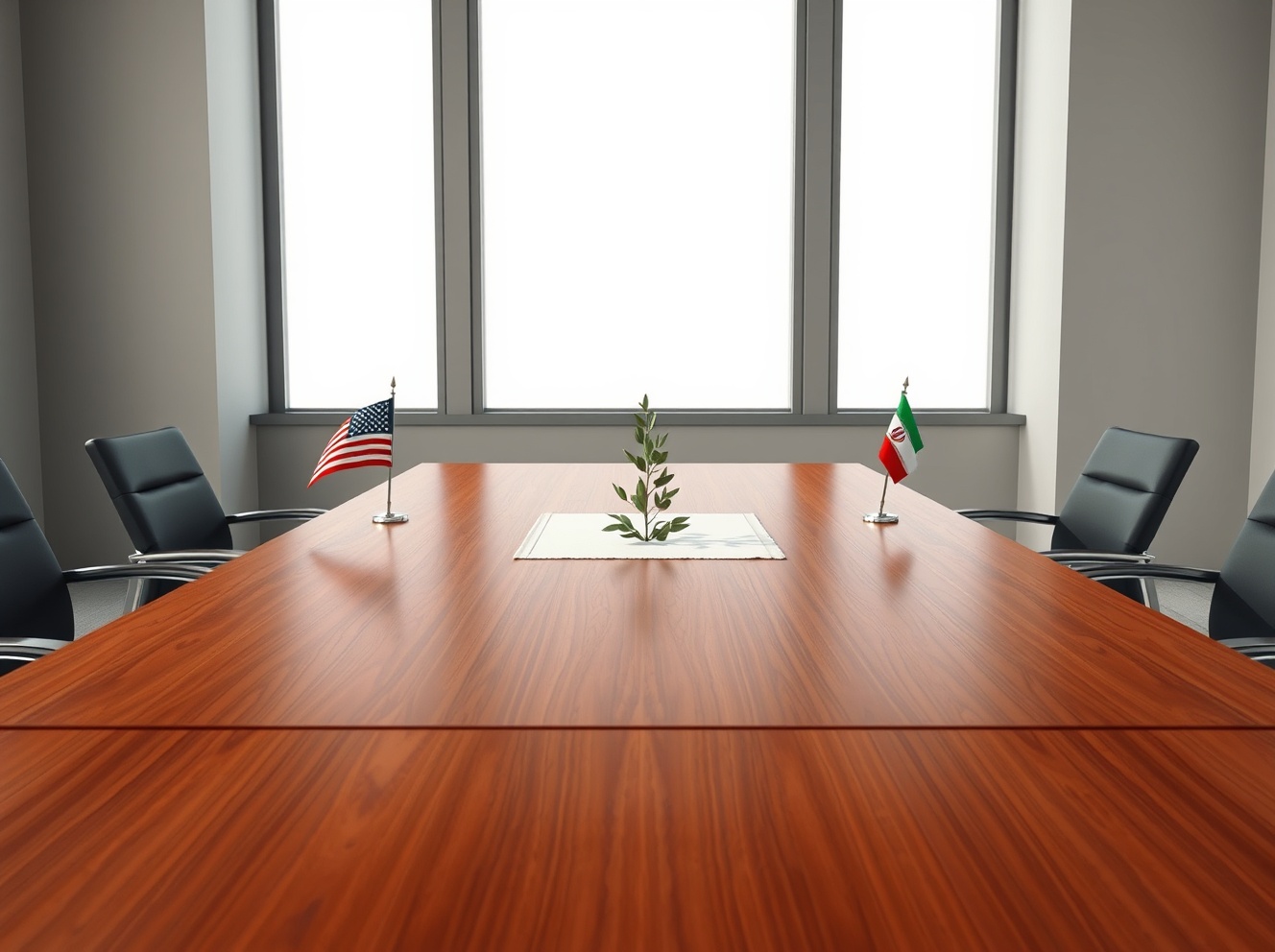
Trump Expects Crucial Peace Talks with Iran to Open, Signaling Diplomatic Shift
WASHINGTON, D.C. – In a significant development for Middle East diplomacy, the White House has indicated that President Donald Trump anticipates the opening of direct peace negotiations with Iran. This statement, delivered by National Economic Council Chairman Kevin Hassett, marks a potential pivot in a relationship long defined by tension and could reshape the geopolitical landscape of the region. The prospect of talks emerges against a complex backdrop of economic sanctions, regional proxy conflicts, and the fractured 2015 nuclear deal, making this a critical moment for international observers.
Trump’s Expected Iran Peace Talks: A Strategic Pivot
Chairman Kevin Hassett’s confirmation that President Trump has stated peace negotiations with Iran will take place represents a notable shift in diplomatic posture. For years, the administration’s “maximum pressure” campaign, characterized by stringent economic sanctions, defined the U.S. approach. Consequently, this new openness to dialogue suggests a potential recalibration of strategy. The announcement follows a period of heightened military alerts and retaliatory strikes, making the pursuit of talks a delicate endeavor. Furthermore, regional allies and adversaries alike are closely monitoring these developments, as the outcome could significantly alter security dynamics from the Persian Gulf to the Levant.
Context and Background of US-Iran Relations
Understanding this potential breakthrough requires examining the turbulent history between the two nations. Relations have been largely hostile since the 1979 Iranian Revolution. The 2015 Joint Comprehensive Plan of Action (JCPOA), or Iran nuclear deal, under President Obama, provided a brief period of engagement. However, President Trump withdrew the United States from the agreement in 2018, reinstating and expanding sanctions. This action crippled Iran’s economy and escalated tensions, leading to incidents like the 2019 attacks on oil tankers and the 2020 U.S. drone strike that killed Iranian General Qasem Soleimani. The path to any negotiation is therefore fraught with historical grievances and demands for concrete concessions from both sides.
Economic and Diplomatic Leverage
The role of economic pressure as a prelude to diplomacy cannot be overstated. The Trump administration’s sanctions have severely impacted Iran’s oil exports and access to the global financial system. Analysts suggest this economic leverage may be a primary tool to bring Iran to the table. However, Iran has consistently demanded the lifting of all sanctions as a precondition for any talks, creating a fundamental deadlock. The statement from the White House does not specify whether sanctions relief is on the agenda, leaving a key question unanswered. Successful negotiations would likely require a phased, reciprocal approach where sanctions relief is traded for verifiable steps on Iran’s nuclear program and regional activities.
Regional Implications and Stakeholder Reactions
The prospect of U.S.-Iran talks sends ripples across the Middle East, where alliances are deeply entrenched. Key regional players have already staked out positions:
- Israel: Traditionally opposed to any deal that leaves Iran’s nuclear infrastructure intact, Israel views a U.S.-Iran dialogue with extreme caution.
- Saudi Arabia & UAE: These Gulf rivals of Iran are likely apprehensive, fearing a deal that strengthens Iranian influence in Yemen, Syria, and Iraq at their expense.
- European Allies (E3): France, Germany, and the UK, who have struggled to preserve the JCPOA, would welcome U.S. re-engagement but seek a comprehensive and sustainable agreement.
Moreover, the internal political climates in both Washington and Tehran add layers of complexity. In Iran, hardliners may resist engagement with the “Great Satan,” while moderates could see it as an economic lifeline. In the U.S., the approach would face scrutiny from both sides of the political aisle.
The Path Forward: Challenges and Opportunities
Should talks materialize, the agenda will be extraordinarily complex. Core issues extend far beyond the nuclear file. Negotiators would need to address:
| Issue Area | Potential U.S. Objectives | Potential Iranian Objectives |
|---|---|---|
| Nuclear Program | Permanent caps on enrichment, robust inspections | Lifting of all nuclear-related sanctions |
| Regional Influence | Rollback of support for proxy militias | Recognition of regional security role |
| Missile Development | Limitations on ballistic missile range and payload | Preservation of defensive missile capabilities |
| Hostile Activities | End to threats against U.S. personnel and allies | Guarantees against regime change efforts |
Building trust will be the paramount challenge. Both nations have accused the other of bad faith for decades. Therefore, any process would require confidence-building measures, potentially involving prisoner exchanges or humanitarian trade channels. The structure of the talks—whether direct, through intermediaries, or multilateral—will also be a critical early decision.
Conclusion
The statement that President Trump expects peace talks with Iran to open is a pivotal moment in international relations. It signals a potential move from a pressure-only strategy to one incorporating diplomacy. While the road to a successful agreement is long and lined with obstacles, the mere initiation of dialogue could reduce the immediate risk of military confrontation and create space for de-escalation. The world will watch closely to see if this anticipated opening leads to substantive negotiations capable of delivering a more stable and secure Middle East. The success of these potential Trump Iran peace talks will hinge on pragmatic flexibility and a clear-eyed understanding of the profound security interests at stake for all involved.
FAQs
Q1: What did the White House official say about Iran talks?
White House National Economic Council Chairman Kevin Hassett stated that President Trump has indicated peace negotiations with Iran will take place.
Q2: Why is the potential for US-Iran talks significant now?
It represents a potential shift from years of “maximum pressure” and escalating tensions, offering a diplomatic off-ramp that could reduce the risk of conflict and address longstanding issues.
Q3: What are the main obstacles to successful negotiations?
Key obstacles include preconditions like sanctions relief, deep mutual distrust, disagreements over Iran’s nuclear program and regional activities, and opposition from regional allies like Israel and Saudi Arabia.
Q4: How have previous diplomatic efforts, like the JCPOA, influenced this situation?
The U.S. withdrawal from the 2015 JCPOA nuclear deal eroded trust. Any new talks would need to address perceived flaws in that agreement while starting from a position of greater hostility.
Q5: What would be the immediate impact if talks begin?
Immediate impacts could include a reduction in inflammatory rhetoric, a pause in escalatory actions, and potential small-scale confidence-building measures, even if a major deal remains distant.
This post Trump Expects Crucial Peace Talks with Iran to Open, Signaling Diplomatic Shift first appeared on BitcoinWorld.


You May Also Like

Critical USDT0 Response to Drift Hack Exposes Stark Contrast in Stablecoin Security Protocols

Fed Governor Calls For Strong Stablecoin Oversight As CLARITY Act’s Final Text Gets Delayed
Why Sui Just Processed Over $65 Billion in Stablecoin Transfers



