

Cash App Kids Accounts Launch: Block’s Strategic Move Excludes Bitcoin Trading to Prioritize Financial Foundations
BitcoinWorld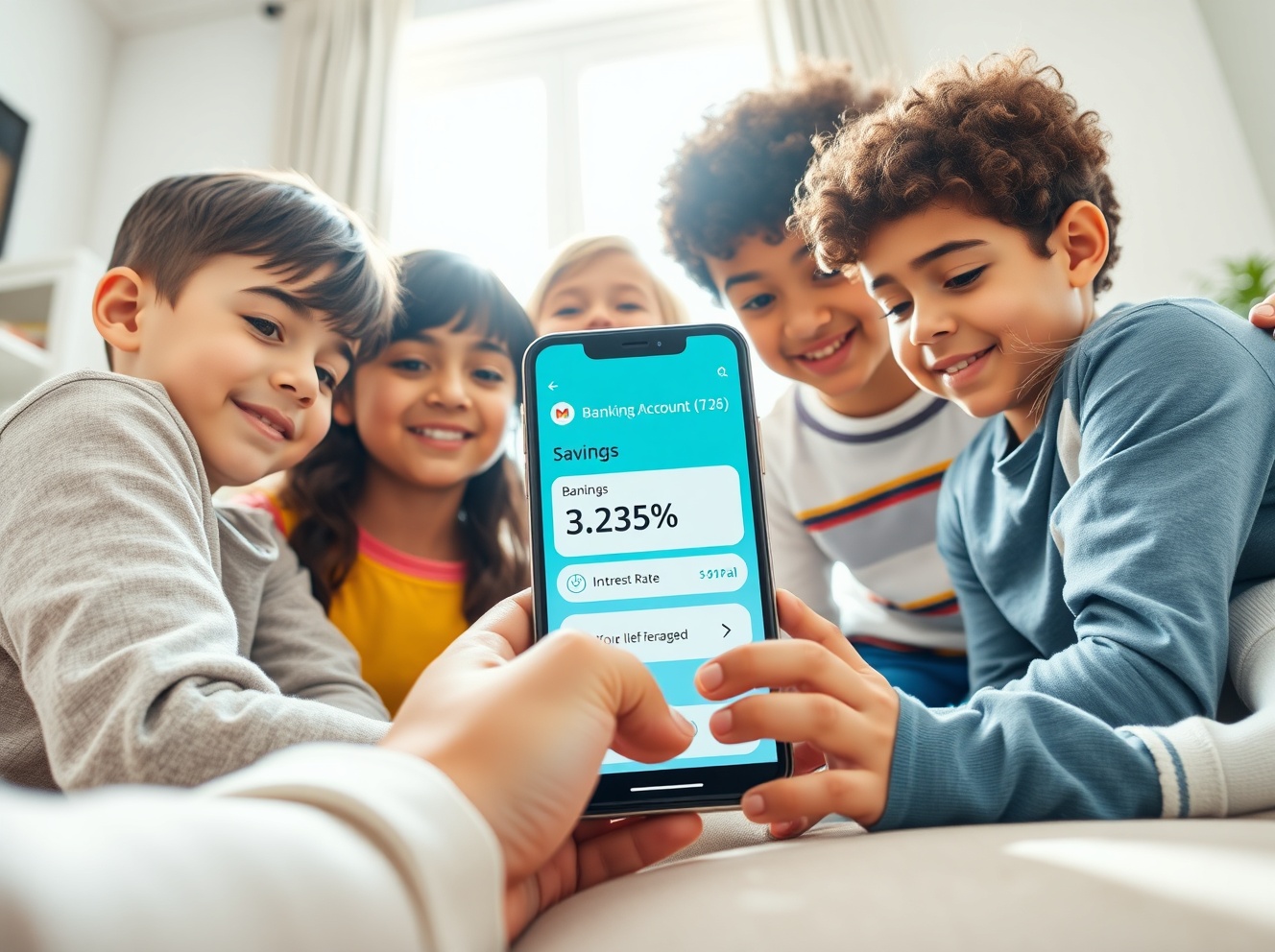
Cash App Kids Accounts Launch: Block’s Strategic Move Excludes Bitcoin Trading to Prioritize Financial Foundations
In a significant expansion of its financial ecosystem, Block’s widely-used Cash App has officially launched managed accounts specifically designed for children between six and twelve years old, marking a pivotal moment for youth-focused fintech in 2025. This strategic initiative, however, notably excludes access to Bitcoin trading, a core feature for standard users, signaling a deliberate focus on foundational financial education over speculative investment for its youngest customers. The accounts offer a competitive 3.25% annual interest rate, positioning them as a tool for teaching savings principles in a digital-first world.
Cash App Kids Accounts: A New Frontier in Youth Banking
Block’s decision to create managed accounts for children represents a direct response to growing demand for early financial literacy tools. Furthermore, this move strategically positions Cash App within the expanding market for family-oriented financial services. The accounts are custodial, meaning a parent or guardian must open and manage the account on behalf of the child. Consequently, this structure provides oversight and control while granting the child a hands-on learning experience with digital money.
Key features of the new youth product include:
- Parental Controls: Guardians set spending limits, monitor transactions, and can instantly transfer funds.
- Savings Focus: The highlighted 3.25% APY aims to visually demonstrate the power of compound interest.
- Educational Tools: Integrated features teach basic budgeting and goal-setting.
- Spending Card: A linked Cash Card allows for physical and online purchases within set limits.
This launch follows a broader industry trend where traditional banks and neobanks alike are developing products for younger demographics. For instance, companies like Greenlight and Step have pioneered this space, demonstrating substantial market potential. Block’s entry, leveraging Cash App’s massive existing user base, could rapidly accelerate adoption.
The Deliberate Exclusion of Bitcoin Trading
The most discussed aspect of this launch is the explicit exclusion of Bitcoin trading functionality. While standard Cash App users can seamlessly buy, sell, and hold Bitcoin, this feature remains disabled for the new youth accounts. A company spokesperson clarified this decision, stating Bitcoin trading is exclusive to standard accounts, a policy rooted in regulatory and developmental considerations.
This exclusion is not arbitrary. Several key factors inform this strategic choice:
| Factor | Rationale |
|---|---|
| Regulatory Compliance | Cryptocurrency trading involves complex regulations (e.g., KYC/AML) that are challenging to apply to minor-controlled accounts. Custodial structures for crypto are a nascent legal area. |
| Risk Management | Bitcoin’s price volatility is considered inappropriate for a child’s introductory financial product, which prioritizes stability and education over speculation. |
| Educational Philosophy | The product is designed to teach core concepts like saving, spending, and earning interest before introducing advanced asset classes. |
| Parental Concerns | Surveys indicate many parents prefer their children learn traditional finance before engaging with digital assets. |
This approach contrasts with Block’s overall corporate strategy, which heavily integrates Bitcoin. The company’s balance sheet holds Bitcoin, and CEO Jack Dorsey is a vocal proponent. Therefore, this product-specific limitation highlights a nuanced, age-gated strategy for financial service rollout.
Expert Analysis on Financial Education and Crypto
Financial literacy experts generally applaud the phased approach. Dr. Laura Choi, a researcher in youth financial capability, notes, “Introducing complex, volatile assets like cryptocurrency before establishing a bedrock understanding of fiat currency, savings, and budgeting can undermine core financial education. A savings account with a visible interest yield is a more effective first tool.”
Meanwhile, the competitive 3.25% interest rate serves a dual purpose. Not only does it provide a real return, but it also acts as a tangible teaching moment. Children can observe their balance grow from interest, a concept that is abstract when rates are near zero. This practical lesson lays the groundwork for understanding investment returns later in life, potentially including digital assets.
Market Context and Competitive Landscape
The launch occurs within a dynamic fintech environment. The global market for kids’ banking products is projected to grow significantly, driven by digital-native parents seeking modern tools. Cash App’s move leverages its brand recognition and seamless UX to capture a share of this market early.
Competitors employ different strategies. Some fintechs offer limited exposure to cryptocurrency through educational simulations or small, parent-controlled allocations. Block’s choice to completely exclude Bitcoin trading, for now, creates a clear product differentiation. It positions Cash App Kids as a conservative, education-first option. This positioning may appeal to a broad segment of parents who are cautious about introducing crypto to young children.
The success of this product could influence future developments. Industry analysts suggest that Bitcoin or other crypto features might be introduced as “graduated” functionalities for older teenagers within the app’s ecosystem. This would create a lifecycle where a user progresses from a simple savings account as a child to a full-featured financial platform, including digital assets, as a young adult.
Regulatory and Safety Considerations
Developing financial products for minors necessitates navigating a stringent regulatory landscape. Cash App’s managed accounts are built within existing frameworks for custodial accounts under the Uniform Transfers to Minors Act (UTMA) or similar regulations. These frameworks provide clear legal guidelines for asset ownership and control until the child reaches adulthood.
Incorporating cryptocurrency would have added layers of complexity. Regulatory bodies like the SEC and CFTC have issued warnings about the risks of crypto trading for all investors, highlighting volatility and fraud. By excluding Bitcoin, Block likely simplifies its compliance burden and reduces potential liability. This prudent approach may also foster greater trust with regulators as they observe the rollout of youth-focused digital finance tools.
Safety and security are paramount. The accounts include robust parental controls, transaction notifications, and the ability to instantly lock a lost Cash Card. These features address primary parental concerns about security and overspending, creating a controlled environment for financial experimentation.
Conclusion
The launch of Cash App kids accounts represents a major strategic expansion for Block, targeting the crucial early stage of financial socialization. By offering a compelling 3.25% interest rate within a controlled, custodial framework, the service promotes core savings habits. The deliberate exclusion of Bitcoin trading, a hallmark of the standard Cash App experience, underscores a calculated priority on foundational education over speculative investment for this age group. This move not only captures a growing market segment but also establishes a potential onboarding funnel, guiding users from simple savings as children to a comprehensive financial platform, possibly inclusive of digital assets, as they mature. The success of these Cash App kids accounts will be closely watched, potentially setting a new standard for how fintech giants approach financial literacy for the next generation.
FAQs
Q1: What are the age requirements for a Cash App kids account?
A1: The managed accounts are specifically designed for children between the ages of six and twelve years old. A parent or legal guardian must be the custodian to open and manage the account.
Q2: Why can’t children trade Bitcoin on these new accounts?
A2: Block has stated Bitcoin trading remains exclusive to standard Cash App accounts. This decision is based on regulatory complexity, the volatile nature of cryptocurrency, and an educational philosophy that prioritizes teaching traditional savings and spending first.
Q3: How does the 3.25% interest rate work?
A3: The account offers a 3.25% Annual Percentage Yield (APY). Interest is calculated on the account balance and credited regularly, providing a practical tool for children to learn about compound growth in a digital savings environment.
Q4: What controls do parents have over these accounts?
A4: Parents have full custodial control. They can set spending limits, receive real-time transaction alerts, transfer funds, and instantly lock the associated Cash Card. The child can spend only within the parameters set by the parent.
Q5: Could Bitcoin trading be added to kids’ accounts in the future?
A5: While not currently available, industry analysts suggest that as the regulatory landscape evolves and users age within the platform, Block might introduce graduated features, including educational crypto tools, for older teenagers in the future.
This post Cash App Kids Accounts Launch: Block’s Strategic Move Excludes Bitcoin Trading to Prioritize Financial Foundations first appeared on BitcoinWorld.


You May Also Like

Luxor Ships Commander Software to Optimize Bitcoin Mining Fleet Profitability – News Bytes Bitcoin News

Kalshi to Launch Perpetual Crypto Futures Trading: What to Know




