

Pakistan Iran Peace Talks: Critical Diplomatic Deadline Looms as Islamabad Awaits Tehran’s Crucial Response
BitcoinWorld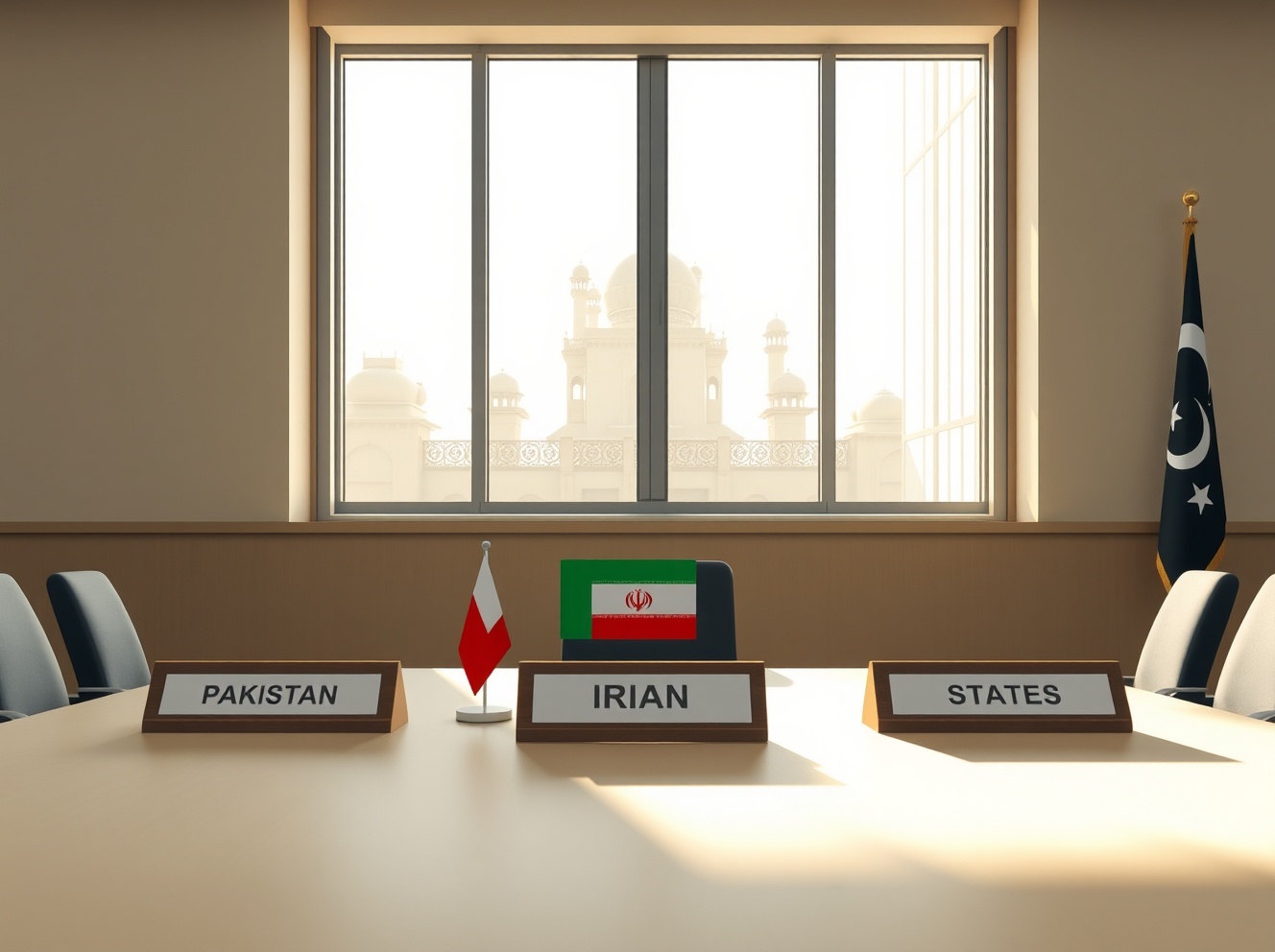
Pakistan Iran Peace Talks: Critical Diplomatic Deadline Looms as Islamabad Awaits Tehran’s Crucial Response
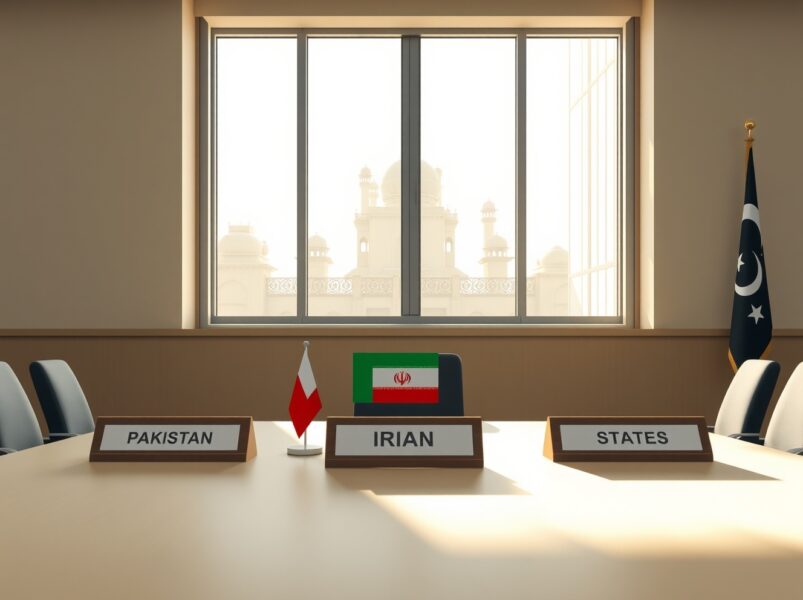
ISLAMABAD, April 21, 2025 — Pakistan’s diplomatic corridors remain tense as officials await Iran’s critical response regarding participation in the second round of peace talks with the United States. Information Minister Ataullah Tarar confirmed today that Tehran has not yet provided an official answer about sending a delegation to Islamabad. This diplomatic silence comes as a two-week ceasefire period approaches its conclusion, creating urgent pressure for regional stability.
Pakistan Iran Peace Talks Face Crucial Decision Point
Minister Tarar emphasized the time-sensitive nature of Iran’s decision during his press briefing. “We have not received an official response from Iran,” he stated clearly. “However, it remains crucial for Iran to decide before the two-week ceasefire period ends.” Pakistan has actively engaged in diplomatic persuasion with Iranian leadership. This effort demonstrates Islamabad’s commitment to regional peace initiatives.
The peace talks represent a significant diplomatic effort involving three key regional players. Pakistan serves as the host nation for these negotiations. The United States participates as a principal stakeholder in Middle Eastern stability. Iran’s potential involvement could transform the dialogue’s dynamics substantially. Regional analysts note that Tehran’s participation would lend crucial legitimacy to the process.
Historical Context of Regional Diplomacy
Current negotiations follow years of complex regional relationships. Pakistan maintains historically balanced ties with both Iran and Saudi Arabia. The United States has pursued various diplomatic approaches toward Iran across multiple administrations. Recent months have seen increased diplomatic activity across the Middle East. Several nations have expressed interest in stabilizing regional tensions through dialogue.
The first round of talks established basic frameworks for discussion. Participants addressed several key issues during initial meetings. These included border security concerns and economic cooperation possibilities. However, Iran’s limited involvement in early discussions created noticeable gaps. Pakistan’s diplomatic corps has worked diligently to address these participation challenges.
Expert Analysis of Diplomatic Timing
Regional diplomacy experts highlight the ceasefire deadline’s significance. Dr. Amina Hassan, a Middle East relations specialist at Quaid-i-Azam University, explains the strategic implications. “Ceasefire periods create natural deadlines for diplomatic progress,” she notes. “When parties know the clock is ticking, they often make more substantive commitments.” This psychological pressure can sometimes accelerate negotiation breakthroughs.
International relations professor David Chen from Georgetown University adds important context. “Pakistan’s position as mediator reflects its growing diplomatic confidence,” he observes. “Islamabad has cultivated relationships with all parties involved. This unique positioning allows Pakistan to facilitate conversations that might otherwise stall.” The professor’s analysis underscores Pakistan’s strategic diplomatic positioning.
Potential Impacts of Iran’s Decision
Iran’s choice carries substantial consequences for regional stability. Several potential outcomes merit consideration:
- Positive Participation Scenario: Iran joins talks, potentially leading to comprehensive regional agreements
- Conditional Involvement: Tehran participates with specific preconditions or limitations
- Delayed Response: Iran requests additional time beyond the ceasefire deadline
- Non-Participation: Tehran declines involvement, requiring alternative diplomatic approaches
Each scenario presents different challenges and opportunities. Regional governments have prepared contingency plans accordingly. The United States State Department has indicated flexibility in negotiation formats. However, officials emphasize that comprehensive participation yields the best results.
Pakistan’s Diplomatic Strategy and Regional Role
Islamabad has pursued a multi-faceted diplomatic approach. Pakistani officials have engaged Iranian counterparts through multiple channels. These include formal diplomatic communications and backchannel discussions. The strategy emphasizes mutual benefits of regional stability. Economic cooperation possibilities feature prominently in these conversations.
Pakistan’s geographic position adds strategic importance to its diplomatic efforts. The nation shares borders with both Iran and Afghanistan. This location creates natural interests in regional security matters. Recent economic initiatives have further connected Pakistan to Middle Eastern markets. Stability directly supports these economic development goals.
Comparative Analysis of Regional Mediation Efforts
| Mediation Effort | Primary Mediator | Key Parties | Outcome |
|---|---|---|---|
| 2023 Saudi-Iran Agreement | China | Saudi Arabia, Iran | Diplomatic relations restored |
| 2024 Yemen Ceasefire | United Nations | Multiple Yemeni factions | Ongoing negotiations |
| Current Pakistan-hosted Talks | Pakistan | Iran, United States | Pending Iran’s decision |
This comparative perspective illustrates Pakistan’s emerging role in regional diplomacy. The table shows how different mediators approach complex negotiations. Each effort employs distinct strategies based on regional relationships. Pakistan’s approach emphasizes its historical connections with all involved parties.
International Community Response and Expectations
Global observers closely monitor these diplomatic developments. The United Nations has expressed support for Pakistan’s mediation efforts. Secretary-General’s spokesperson Farhan Haq commented on the initiative recently. “We welcome all efforts toward peaceful conflict resolution,” he stated. “Pakistan’s diplomatic engagement represents positive regional leadership.”
European Union officials have similarly endorsed the peace process. Brussels has offered technical support for negotiation logistics. However, EU representatives emphasize that regional ownership remains crucial. This principle guides their approach to supporting the Pakistan Iran peace talks. International backing provides additional legitimacy to the process.
Economic Dimensions of Diplomatic Negotiations
Beyond security concerns, economic considerations influence these discussions significantly. Regional trade opportunities depend heavily on stability. Pakistan envisions expanded economic corridors connecting to Iranian markets. The United States considers potential sanctions relief as negotiation leverage. Iran seeks economic normalization to address domestic challenges.
Energy cooperation represents another important dimension. Iran possesses substantial natural gas reserves. Pakistan faces ongoing energy security challenges. Potential pipeline projects have been discussed for decades. Successful diplomacy could revive these economically beneficial initiatives. The interconnected nature of security and economics becomes apparent in these discussions.
Conclusion
Pakistan’s diplomatic efforts face a critical juncture as officials await Iran’s response regarding the second round of peace talks. The approaching ceasefire deadline adds urgency to these Pakistan Iran peace talks. Minister Tarar’s announcement highlights both the progress made and challenges remaining. Regional stability hangs in the balance as diplomatic channels remain active. The international community watches closely, recognizing that successful negotiations could transform Middle Eastern dynamics. Islamabad’s patient diplomacy continues as the clock ticks toward the decision deadline.
FAQs
Q1: What is the current status of Iran’s participation in the peace talks?
Iran has not yet provided an official response to Pakistan’s invitation for the second round of peace talks in Islamabad. Pakistani officials continue diplomatic outreach as they await Tehran’s decision.
Q2: Why is the two-week ceasefire period significant for these negotiations?
Ceasefire periods create natural deadlines that often accelerate diplomatic progress. The limited timeframe encourages parties to make substantive commitments before hostilities could potentially resume.
Q3: What role is Pakistan playing in these diplomatic efforts?
Pakistan serves as both host and mediator for the talks, leveraging its historical relationships with all parties involved. Islamabad’s diplomatic corps has actively worked to persuade Iranian leadership to participate.
Q4: How have other countries responded to Pakistan’s mediation efforts?
The United Nations and European Union have expressed support for Pakistan’s diplomatic initiative. International backing lends additional legitimacy to the peace process while emphasizing regional ownership.
Q5: What are the potential consequences if Iran declines to participate?
Non-participation would require alternative diplomatic approaches and could prolong regional tensions. However, negotiations might continue bilaterally between other parties or through modified formats.
This post Pakistan Iran Peace Talks: Critical Diplomatic Deadline Looms as Islamabad Awaits Tehran’s Crucial Response first appeared on BitcoinWorld.


You May Also Like

Why Businesses Need Professional Machine Design and Development Services
Cryptopolitan Launches Crypto Data Dashboards and Becomes the First Media Platform with Full Agentic AI Access




