

Banking group seeks extension to comment on US stablecoin bill
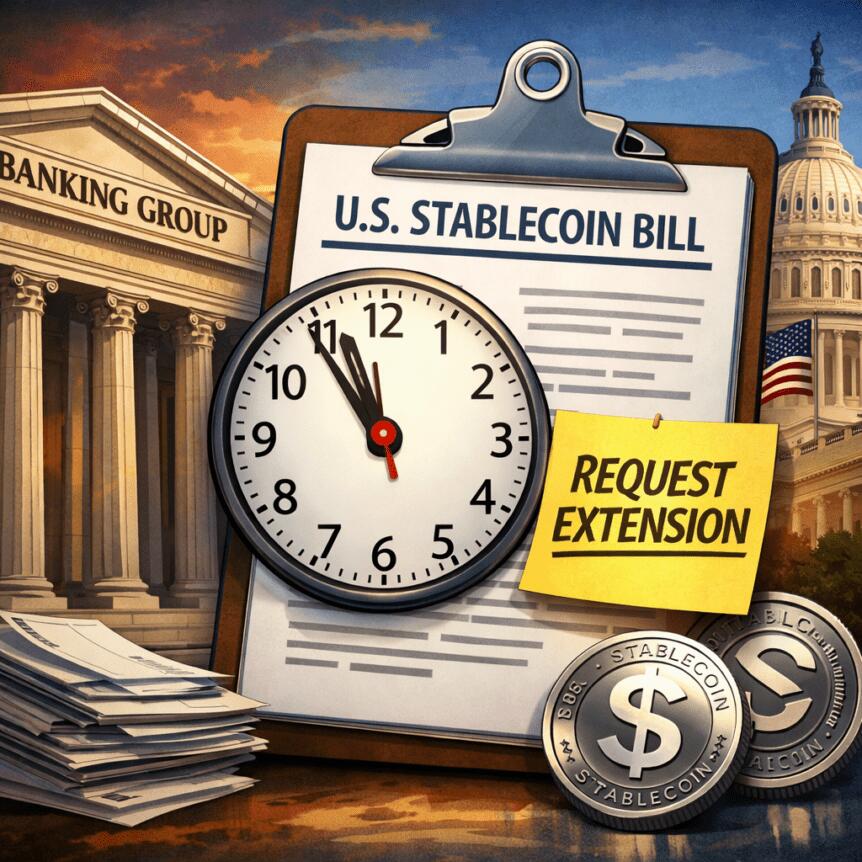
The American Bankers Association is pushing for more time to weigh in on the regulatory framework for stablecoins, signaling patience from the banking sector as U.S. agencies shape rules under the GENIUS Act. In a Tuesday letter to the U.S. Treasury, the Federal Deposit Insurance Corporation, FinCEN, and the Office of Foreign Assets Control, the ABA requested a 60-day extension for public comment. The move could push the earliest possible implementation of the GENIUS Act by up to two months, depending on how the rulemaking unfolds.
The ABA argues that the agencies’ final rules will be substantially driven by the content of the Office of the Comptroller of the Currency’s final rule, making timely and meaningful public input challenging without that context. The FDIC’s own notice has emphasized alignment with the OCC where relevant, the ABA notes, and invites comment on whether the primary federal regulators should further harmonize their final rules to promote consistency for all payment stablecoin issuers subject to the GENIUS Act. That alignment, the ABA says, hinges on knowing the OCC rule first.
Key takeaways
- The American Bankers Association asks for a 60-day extension on GENIUS Act rulemaking comments, potentially delaying implementation by up to two months.
- The request centers on the final OCC rule, which the FDIC and other agencies say they aim to align with to ensure regulatory consistency for stablecoin issuers.
- GENIUS Act implementation timeline: 120 days after final regulations are issued or 18 months after enactment, whichever comes first.
- Beyond GENIUS, banks are weighing in on broader crypto policy, including a market-structure bill that could affect stablecoin yield once Congress acts.
- Senate progress on related legislation, including the CLARITY Act, remains unsettled, with leadership signaling possible adjustments and scheduling debates in the coming weeks.
Regulatory alignment and the path to GENIUS Act rules
The ABA’s statutory inquiry centers on how the GENIUS Act will be implemented across multiple federal agencies. The letter frames a central dependency: because the FDIC has indicated it intends to align its proposed rule with the OCC’s final framework “to the extent relevant,” the ABA contends that substantial, meaningful public input cannot be fully informed until that OCC rule is public.
In practical terms, the GENIUS Act delegates the crux of stablecoin regulation to federal supervisors, including the OCC, FDIC, and Treasury’s broader rulemaking apparatus. The ABA’s push for more time underscores a broader industry interest in clarity and coherence across PPSI (payments, stablecoins, and related entities) regulations before stakeholders submit detailed feedback. The group also remains an active voice in policy debates on crypto market structure, including critiques of public-sphere analyses that might influence the treatment of stablecoin yield within a regulated framework.
Timeline, structure, and what it means for issuers
The GENIUS Act, signed into law in July of the previous year, sets a two-path trigger for when the new regime takes effect. Implementation can occur 120 days after the final regulations are issued, or 18 months after enactment, whichever comes first. That sequencing means any extension to the public-comment window could compress or delay a timeline that is already contingent on regulators finalizing and harmonizing rules across multiple agencies.
Proponents of rapid, predictable rules argue that a clear path would help stablecoin issuers, banks, and payments networks plan capital, compliance programs, and product launches. Critics caution that incomplete or transitional rules could increase compliance risk and create uneven regulatory treatment among PPSIs. The ABA’s request for more time is therefore a signal that the industry would like more certainty before formal rules become binding, a posture that may influence agency timing and the scope of comment submissions.
Broader policy tensions: market structure and stablecoin yields
Beyond GENIUS, the banking sector remains engaged in broader crypto policy conversations. The ABA is a party to policy debates around a crypto market-structure package that could reshape the legal status of stablecoin yields. In recent coverage, banks publicly challenged a White House report that suggested restricting or banning stablecoin yields would have limited impact on banks, highlighting tensions between policy aims and the market realities of yield-bearing crypto products.
Meanwhile, the Senate has yet to reach a deal on advancing a separate market-structure bill—referred to in House parlance as the CLARITY Act when it passed the House earlier this year. North Carolina Senator Thom Tillis has signaled that a markup could be scheduled in May, potentially setting up a Senate floor vote later in the session. The timing remains fluid, with leadership weighing how best to integrate the GENIUS Act, the CLARITY Act, and related proposals into a coherent regulatory package.
What to watch next
Stakeholders should monitor three crossroads in short order: whether the OCC publishes its final rule and how the other agencies align with it in their own final rules; whether the public-comment period for GENIUS is extended again or remains on a firm schedule; and whether Senate leadership secures a timeline for markup and votes on the CLARITY Act and related market-structure legislation. The coming weeks will reveal how agencies balance the need for regulatory consistency with the desire for timely rules that provide clear guidance to issuers, banks, and users navigating the evolving stablecoin landscape.
This article was originally published as Banking group seeks extension to comment on US stablecoin bill on Crypto Breaking News – your trusted source for crypto news, Bitcoin news, and blockchain updates.


You May Also Like

Why The Green Bay Packers Must Take The Cleveland Browns Seriously — As Hard As That Might Be

CoreWeave (CRWV) Stock Surges 12% on $8.5B GPU-Backed Financing Deal — Here’s the Full Picture




