Crypto Property Recognition: South Korea Urgently Calls for Civil Code Amendment
BitcoinWorld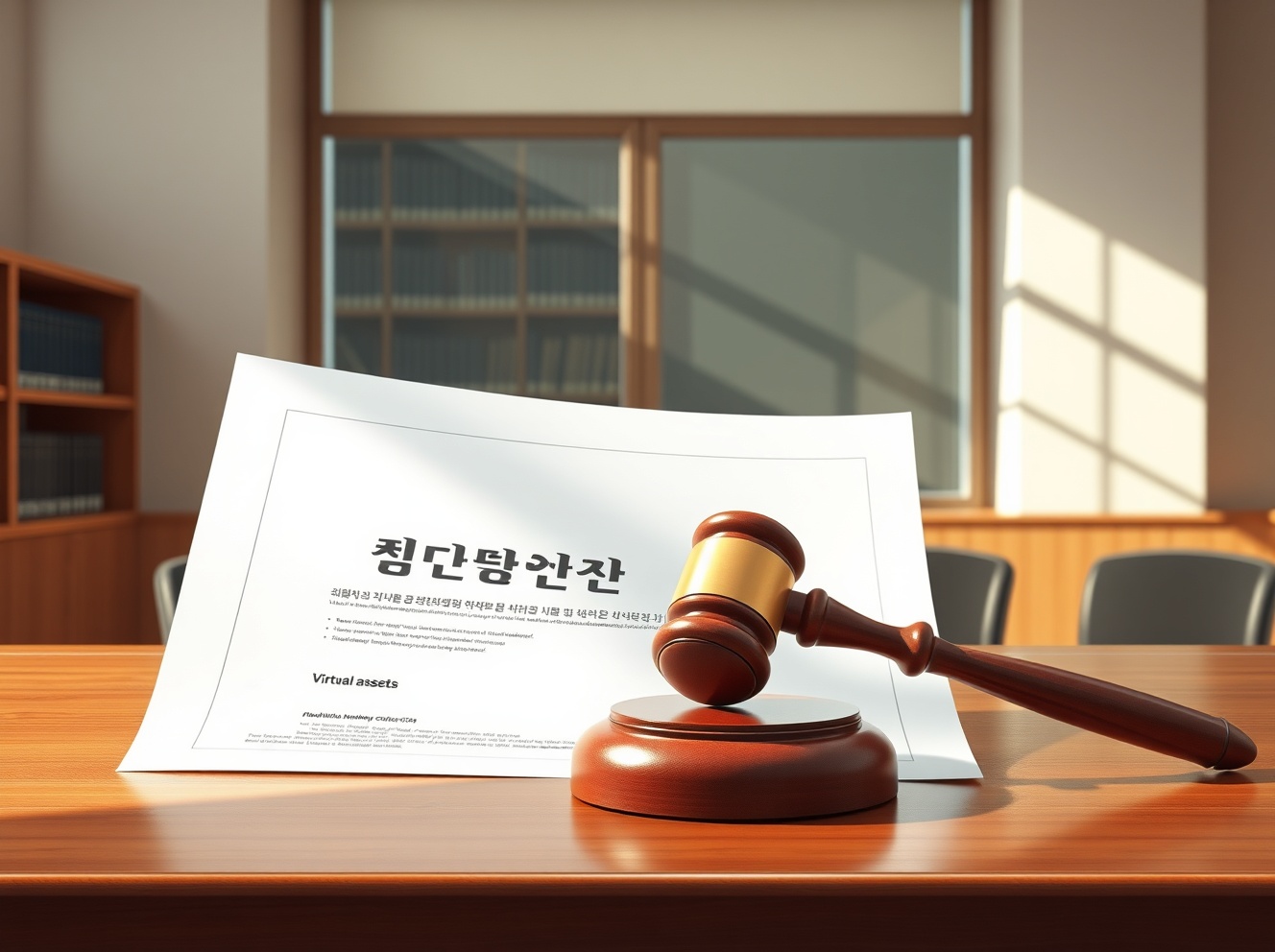
Crypto Property Recognition: South Korea Urgently Calls for Civil Code Amendment
South Korea’s Judicial Policy Research Institute (JPRI) has ignited a pivotal legal debate by formally proposing an amendment to the country’s Civil Code. The institute argues that the law must recognize crypto property to protect digital asset holders. This move, reported in February 2025, addresses a growing gap between modern financial practices and outdated legal frameworks.
Why South Korea’s Civil Code Amendment for Crypto Property Matters
The JPRI’s core argument is straightforward. Under current South Korean law, virtual assets do not qualify as property. This creates significant legal vulnerabilities. For instance, in cases of theft, fraud, or inheritance, holders of cryptocurrency have limited legal recourse. The institute emphasizes that the definition of property must evolve with society. It cites the increasing use of digital assets for exchange and the surge in related legal disputes. The proposal directly links to the need for clearer digital asset regulation.
Legal Gaps and Holder Protection
Without property status, crypto holders face unique risks. A creditor cannot easily seize digital assets in a bankruptcy case. A victim of a crypto scam cannot claim property rights in court. The JPRI notes that these issues undermine trust in the financial system. By amending the Civil Code, South Korea would align its laws with modern commerce. This change would also provide a foundation for future regulations on taxation, inheritance, and dispute resolution.
Background: The Rise of Digital Asset Disputes
South Korea has one of the highest rates of cryptocurrency adoption globally. The JPRI’s proposal reflects a real-world need. Legal disputes involving digital assets have skyrocketed in recent years. These include:
- Exchange hacks and customer fund recovery
- Contract breaches involving crypto payments
- Inheritance conflicts over digital wallets
- Fraud cases where assets cross borders
The current legal vacuum creates uncertainty for courts. Judges often struggle to apply property laws designed for physical objects to intangible virtual assets. The JPRI argues that clear legislation would reduce judicial inconsistency and improve legal predictability.
Comparing Global Approaches to Crypto Property
South Korea is not alone in this debate. Several jurisdictions have already taken steps to recognize cryptocurrency legal status. A brief comparison highlights the global trend:
| Country | Status of Crypto as Property | Key Development |
|---|---|---|
| United States | Recognized as property by IRS | Tax treatment, not civil code |
| Japan | Legal property under Payment Services Act | Exchange regulation focus |
| European Union | MiCA framework treats as digital assets | Comprehensive regulation in 2024 |
| South Korea | Not yet property under Civil Code | JPRI proposal for amendment |
This table shows that South Korea lags behind in explicit civil law recognition. The JPRI proposal aims to close this gap.
Potential Impacts of the Amendment
If enacted, the amendment would have far-reaching effects. First, it would provide a legal basis for digital asset regulation in areas like taxation and anti-money laundering. Second, it would empower holders to protect their assets in court. Third, it would encourage institutional investment by reducing legal risk. The JPRI stresses that the concept of property can expand. It has done so historically to include intangible assets like intellectual property and digital accounts.
Expert Perspectives on the Proposal
Legal experts in Seoul have welcomed the discussion. Professor Kim Min-jun, a civil law specialist at Seoul National University, states: “This proposal is timely. The law must adapt to technological reality. Recognizing crypto as property is a logical step.” Industry groups also support the move. They argue that legal clarity will boost innovation and consumer confidence. However, some caution that the definition must be precise. It should avoid unintended consequences for financial stability.
Timeline and Next Steps
The JPRI has submitted its proposal to the Ministry of Justice. The next phase involves public consultation and legislative review. A timeline for potential enactment remains unclear. However, the institute urges active discussion. It calls for lawmakers to prioritize the issue given the rapid growth of the crypto market. The amendment process could take months or years. Yet, the proposal marks a critical first step toward legal recognition.
Conclusion
South Korea’s JPRI has taken a significant step by calling for a Civil Code amendment to recognize cryptocurrency as property. This move addresses urgent legal gaps for holders and aligns with global trends. The proposal highlights the need for modern laws to keep pace with digital finance. As discussions progress, the outcome will shape the future of crypto property rights in one of the world’s most active digital asset markets.
FAQs
Q1: What does the JPRI proposal specifically ask for?
The JPRI proposes amending South Korea’s Civil Code to legally classify virtual assets as property, granting holders legal rights and protections.
Q2: Why is cryptocurrency not currently considered property in South Korea?
Current civil law definitions of property do not explicitly include intangible digital assets, creating a legal gap for disputes and protection.
Q3: How would this amendment affect ordinary crypto holders?
It would provide legal recourse in cases of theft, fraud, inheritance, and contract disputes, offering stronger protection for individual investors.
Q4: What other countries recognize crypto as property?
Countries like the United States (for tax purposes), Japan (under payment laws), and the EU (under MiCA) have taken steps toward recognition.
Q5: When could the amendment become law?
The timeline is uncertain, but the proposal is now under review by the Ministry of Justice, with public consultation and legislative debate expected.
This post Crypto Property Recognition: South Korea Urgently Calls for Civil Code Amendment first appeared on BitcoinWorld.


You May Also Like

USD/JPY: Uptrend resumes toward 2024 highs – Societe Generale

Wisconsin sues Kalshi, Coinbase, Polymarket, calls prediction markets illegal bets