BitcoinWorld Phishing Scam Stuns Hacker: $48M in Stolen UXLINK Lost! In a truly astonishing turn of events, the cryptocurrency world recently witnessed an unexpected twist in a major exploit. The very hacker responsible for siphoning off UXLINK tokens has reportedly fallen victim to a sophisticated phishing scam, losing a staggering $48 million of the stolen assets. This incident serves as a powerful reminder that even those who perpetrate digital crimes are not immune to the pervasive threat of a well-executed phishing scam. The Hacker’s Costly Blunder: A Phishing Scam Strikes Back The saga began when a hacker successfully exploited UXLINK, acquiring a significant amount of tokens. Following the initial exploit, the hacker swiftly moved to liquidate some of the ill-gotten gains. Approximately three hours before this latest development, the perpetrator swapped 2.49 billion UXLINK tokens for 6,732 ETH, valued at $28.1 million, across various decentralized exchanges (DEXs). However, the hacker’s success was short-lived. According to a report by blockchain analytics firm Lookonchain, 542 million of the remaining stolen UXLINK tokens, amounting to $48 million, were subsequently lost to a clever phishing scam. This dramatic reversal underscores the ever-present dangers in the crypto space, affecting even those on the wrong side of the law. What Exactly is a Crypto Phishing Scam? Many might wonder how a hacker, presumably skilled in navigating complex digital environments, could fall for such a trap. A phishing scam, at its core, involves deceptive tactics designed to trick individuals into revealing sensitive information or authorizing malicious transactions. In the crypto world, these scams often manifest as: Fake Websites: Impersonating legitimate platforms like exchanges or wallet providers. Malicious Links: Embedded in emails, social media, or messaging apps, leading to fraudulent sites. Imposter Accounts: Posing as support staff or project teams to gain trust. The goal is to lure victims into inadvertently giving up their private keys, seed phrases, or signing off on transactions that transfer their assets to the scammer’s control. Even seasoned individuals, including hackers, can be caught off guard by highly convincing and targeted phishing scam attempts. Lessons Learned: How to Avoid Phishing Scams This incident offers crucial lessons for everyone involved in cryptocurrency, from casual users to seasoned investors. Protecting your digital assets from a phishing scam requires constant vigilance and adherence to best practices. Here are some actionable insights: Verify URLs Meticulously: Always double-check the website address. Bookmark official sites and avoid clicking on links from untrusted sources. Enable Two-Factor Authentication (2FA): This adds an extra layer of security to your accounts. Use Hardware Wallets: For significant holdings, hardware wallets offer superior protection by keeping your private keys offline. Be Wary of Unsolicited Messages: Treat any unexpected emails, DMs, or pop-ups asking for personal information or transaction approvals with extreme suspicion. Double-Check Transaction Details: Before confirming any transaction, review the recipient address and amount carefully. Scammers can sometimes subtly alter these details. Educate Yourself Continuously: Stay informed about the latest scam techniques and security vulnerabilities. The irony of a hacker losing funds to a phishing scam highlights that no one is truly immune to these threats. The Broader Impact of Phishing Scams on Crypto Security This event, while unusual in its victim, underscores a persistent challenge within the broader cryptocurrency ecosystem: security. The prevalence of a phishing scam continues to pose a significant threat to user funds and the reputation of legitimate projects. It reinforces the need for: Robust Security Practices: Both individuals and platforms must prioritize strong security measures. Community Education: Continuous efforts are needed to inform users about potential dangers. Advanced Threat Detection: Tools and services that can identify and warn against malicious activities are becoming increasingly vital. Ultimately, the digital landscape demands constant vigilance. This incident serves as a stark reminder that even those who navigate the shadows of the internet can fall prey to the very deception they often employ. The tale of the UXLINK hacker losing millions to a phishing scam is more than just an interesting headline; it’s a critical cautionary tale. It emphasizes that in the volatile world of cryptocurrency, security is paramount for everyone. Whether you are safeguarding your investments or, in this peculiar case, stolen assets, understanding and actively defending against threats like a phishing scam is absolutely essential. Stay alert, stay secure, and never underestimate the cunning of digital fraudsters. Frequently Asked Questions (FAQs) Q1: What is a phishing scam in the context of cryptocurrency? A: A crypto phishing scam is a fraudulent attempt to trick individuals into revealing sensitive information, like private keys or wallet passwords, or authorizing malicious transactions by impersonating legitimate entities such as exchanges, wallet providers, or project teams. Q2: How did the UXLINK hacker lose funds to a phishing scam? A: While the exact method isn’t fully detailed, the hacker likely interacted with a deceptive link, signed a malicious transaction, or entered credentials on a fake website, leading to the transfer of 542 million stolen UXLINK tokens to the scammer’s control. Q3: Can sophisticated users or even hackers fall for a phishing scam? A: Yes, absolutely. Phishing scam techniques are constantly evolving and can be highly sophisticated and targeted. Even experienced individuals can make mistakes or be caught off guard by convincing impersonations. Q4: What are the most important steps to protect myself from a crypto phishing scam? A: Always verify URLs, use hardware wallets for significant assets, enable 2FA, be suspicious of unsolicited communications, and double-check all transaction details before confirming them. Education on current scam tactics is also crucial. Did you find this story as astonishing as we did? Share this article on your social media to help raise awareness about the pervasive threat of phishing scams in the crypto space! To learn more about the latest crypto market trends, explore our article on key developments shaping Bitcoin price action. This post Phishing Scam Stuns Hacker: $48M in Stolen UXLINK Lost! first appeared on BitcoinWorld.BitcoinWorld Phishing Scam Stuns Hacker: $48M in Stolen UXLINK Lost! In a truly astonishing turn of events, the cryptocurrency world recently witnessed an unexpected twist in a major exploit. The very hacker responsible for siphoning off UXLINK tokens has reportedly fallen victim to a sophisticated phishing scam, losing a staggering $48 million of the stolen assets. This incident serves as a powerful reminder that even those who perpetrate digital crimes are not immune to the pervasive threat of a well-executed phishing scam. The Hacker’s Costly Blunder: A Phishing Scam Strikes Back The saga began when a hacker successfully exploited UXLINK, acquiring a significant amount of tokens. Following the initial exploit, the hacker swiftly moved to liquidate some of the ill-gotten gains. Approximately three hours before this latest development, the perpetrator swapped 2.49 billion UXLINK tokens for 6,732 ETH, valued at $28.1 million, across various decentralized exchanges (DEXs). However, the hacker’s success was short-lived. According to a report by blockchain analytics firm Lookonchain, 542 million of the remaining stolen UXLINK tokens, amounting to $48 million, were subsequently lost to a clever phishing scam. This dramatic reversal underscores the ever-present dangers in the crypto space, affecting even those on the wrong side of the law. What Exactly is a Crypto Phishing Scam? Many might wonder how a hacker, presumably skilled in navigating complex digital environments, could fall for such a trap. A phishing scam, at its core, involves deceptive tactics designed to trick individuals into revealing sensitive information or authorizing malicious transactions. In the crypto world, these scams often manifest as: Fake Websites: Impersonating legitimate platforms like exchanges or wallet providers. Malicious Links: Embedded in emails, social media, or messaging apps, leading to fraudulent sites. Imposter Accounts: Posing as support staff or project teams to gain trust. The goal is to lure victims into inadvertently giving up their private keys, seed phrases, or signing off on transactions that transfer their assets to the scammer’s control. Even seasoned individuals, including hackers, can be caught off guard by highly convincing and targeted phishing scam attempts. Lessons Learned: How to Avoid Phishing Scams This incident offers crucial lessons for everyone involved in cryptocurrency, from casual users to seasoned investors. Protecting your digital assets from a phishing scam requires constant vigilance and adherence to best practices. Here are some actionable insights: Verify URLs Meticulously: Always double-check the website address. Bookmark official sites and avoid clicking on links from untrusted sources. Enable Two-Factor Authentication (2FA): This adds an extra layer of security to your accounts. Use Hardware Wallets: For significant holdings, hardware wallets offer superior protection by keeping your private keys offline. Be Wary of Unsolicited Messages: Treat any unexpected emails, DMs, or pop-ups asking for personal information or transaction approvals with extreme suspicion. Double-Check Transaction Details: Before confirming any transaction, review the recipient address and amount carefully. Scammers can sometimes subtly alter these details. Educate Yourself Continuously: Stay informed about the latest scam techniques and security vulnerabilities. The irony of a hacker losing funds to a phishing scam highlights that no one is truly immune to these threats. The Broader Impact of Phishing Scams on Crypto Security This event, while unusual in its victim, underscores a persistent challenge within the broader cryptocurrency ecosystem: security. The prevalence of a phishing scam continues to pose a significant threat to user funds and the reputation of legitimate projects. It reinforces the need for: Robust Security Practices: Both individuals and platforms must prioritize strong security measures. Community Education: Continuous efforts are needed to inform users about potential dangers. Advanced Threat Detection: Tools and services that can identify and warn against malicious activities are becoming increasingly vital. Ultimately, the digital landscape demands constant vigilance. This incident serves as a stark reminder that even those who navigate the shadows of the internet can fall prey to the very deception they often employ. The tale of the UXLINK hacker losing millions to a phishing scam is more than just an interesting headline; it’s a critical cautionary tale. It emphasizes that in the volatile world of cryptocurrency, security is paramount for everyone. Whether you are safeguarding your investments or, in this peculiar case, stolen assets, understanding and actively defending against threats like a phishing scam is absolutely essential. Stay alert, stay secure, and never underestimate the cunning of digital fraudsters. Frequently Asked Questions (FAQs) Q1: What is a phishing scam in the context of cryptocurrency? A: A crypto phishing scam is a fraudulent attempt to trick individuals into revealing sensitive information, like private keys or wallet passwords, or authorizing malicious transactions by impersonating legitimate entities such as exchanges, wallet providers, or project teams. Q2: How did the UXLINK hacker lose funds to a phishing scam? A: While the exact method isn’t fully detailed, the hacker likely interacted with a deceptive link, signed a malicious transaction, or entered credentials on a fake website, leading to the transfer of 542 million stolen UXLINK tokens to the scammer’s control. Q3: Can sophisticated users or even hackers fall for a phishing scam? A: Yes, absolutely. Phishing scam techniques are constantly evolving and can be highly sophisticated and targeted. Even experienced individuals can make mistakes or be caught off guard by convincing impersonations. Q4: What are the most important steps to protect myself from a crypto phishing scam? A: Always verify URLs, use hardware wallets for significant assets, enable 2FA, be suspicious of unsolicited communications, and double-check all transaction details before confirming them. Education on current scam tactics is also crucial. Did you find this story as astonishing as we did? Share this article on your social media to help raise awareness about the pervasive threat of phishing scams in the crypto space! To learn more about the latest crypto market trends, explore our article on key developments shaping Bitcoin price action. This post Phishing Scam Stuns Hacker: $48M in Stolen UXLINK Lost! first appeared on BitcoinWorld.

Phishing Scam Stuns Hacker: $48M in Stolen UXLINK Lost!

BitcoinWorld
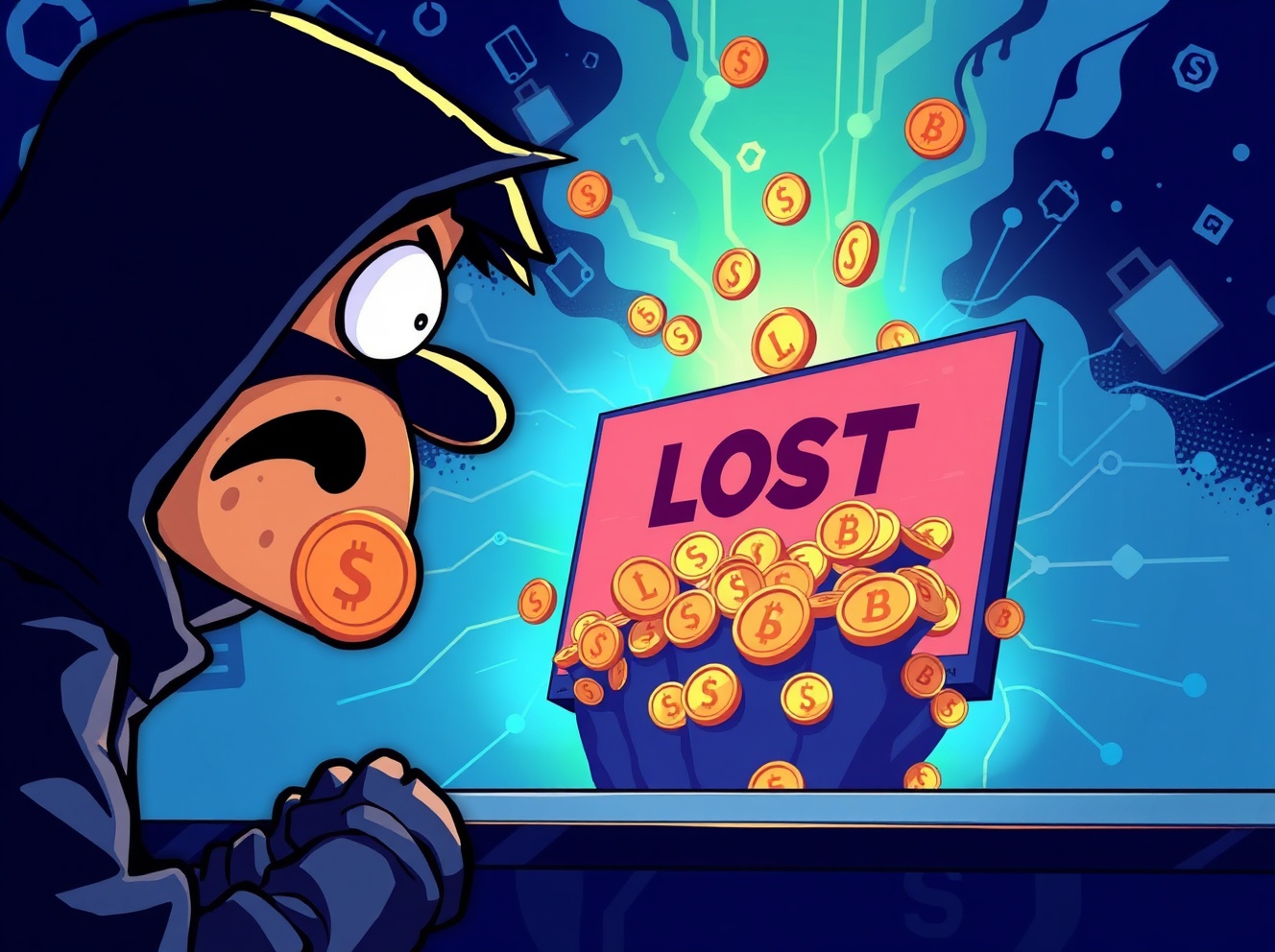
Phishing Scam Stuns Hacker: $48M in Stolen UXLINK Lost!

In a truly astonishing turn of events, the cryptocurrency world recently witnessed an unexpected twist in a major exploit. The very hacker responsible for siphoning off UXLINK tokens has reportedly fallen victim to a sophisticated phishing scam, losing a staggering $48 million of the stolen assets. This incident serves as a powerful reminder that even those who perpetrate digital crimes are not immune to the pervasive threat of a well-executed phishing scam.

The Hacker’s Costly Blunder: A Phishing Scam Strikes Back

The saga began when a hacker successfully exploited UXLINK, acquiring a significant amount of tokens. Following the initial exploit, the hacker swiftly moved to liquidate some of the ill-gotten gains. Approximately three hours before this latest development, the perpetrator swapped 2.49 billion UXLINK tokens for 6,732 ETH, valued at $28.1 million, across various decentralized exchanges (DEXs).

However, the hacker’s success was short-lived. According to a report by blockchain analytics firm Lookonchain, 542 million of the remaining stolen UXLINK tokens, amounting to $48 million, were subsequently lost to a clever phishing scam. This dramatic reversal underscores the ever-present dangers in the crypto space, affecting even those on the wrong side of the law.

What Exactly is a Crypto Phishing Scam?

Many might wonder how a hacker, presumably skilled in navigating complex digital environments, could fall for such a trap. A phishing scam, at its core, involves deceptive tactics designed to trick individuals into revealing sensitive information or authorizing malicious transactions. In the crypto world, these scams often manifest as:

  • Fake Websites: Impersonating legitimate platforms like exchanges or wallet providers.
  • Malicious Links: Embedded in emails, social media, or messaging apps, leading to fraudulent sites.
  • Imposter Accounts: Posing as support staff or project teams to gain trust.

The goal is to lure victims into inadvertently giving up their private keys, seed phrases, or signing off on transactions that transfer their assets to the scammer’s control. Even seasoned individuals, including hackers, can be caught off guard by highly convincing and targeted phishing scam attempts.

Lessons Learned: How to Avoid Phishing Scams

This incident offers crucial lessons for everyone involved in cryptocurrency, from casual users to seasoned investors. Protecting your digital assets from a phishing scam requires constant vigilance and adherence to best practices. Here are some actionable insights:

  • Verify URLs Meticulously: Always double-check the website address. Bookmark official sites and avoid clicking on links from untrusted sources.
  • Enable Two-Factor Authentication (2FA): This adds an extra layer of security to your accounts.
  • Use Hardware Wallets: For significant holdings, hardware wallets offer superior protection by keeping your private keys offline.
  • Be Wary of Unsolicited Messages: Treat any unexpected emails, DMs, or pop-ups asking for personal information or transaction approvals with extreme suspicion.
  • Double-Check Transaction Details: Before confirming any transaction, review the recipient address and amount carefully. Scammers can sometimes subtly alter these details.
  • Educate Yourself Continuously: Stay informed about the latest scam techniques and security vulnerabilities.

The irony of a hacker losing funds to a phishing scam highlights that no one is truly immune to these threats.

The Broader Impact of Phishing Scams on Crypto Security

This event, while unusual in its victim, underscores a persistent challenge within the broader cryptocurrency ecosystem: security. The prevalence of a phishing scam continues to pose a significant threat to user funds and the reputation of legitimate projects. It reinforces the need for:

  • Robust Security Practices: Both individuals and platforms must prioritize strong security measures.
  • Community Education: Continuous efforts are needed to inform users about potential dangers.
  • Advanced Threat Detection: Tools and services that can identify and warn against malicious activities are becoming increasingly vital.

Ultimately, the digital landscape demands constant vigilance. This incident serves as a stark reminder that even those who navigate the shadows of the internet can fall prey to the very deception they often employ.

The tale of the UXLINK hacker losing millions to a phishing scam is more than just an interesting headline; it’s a critical cautionary tale. It emphasizes that in the volatile world of cryptocurrency, security is paramount for everyone. Whether you are safeguarding your investments or, in this peculiar case, stolen assets, understanding and actively defending against threats like a phishing scam is absolutely essential. Stay alert, stay secure, and never underestimate the cunning of digital fraudsters.

Frequently Asked Questions (FAQs)

Q1: What is a phishing scam in the context of cryptocurrency?
A: A crypto phishing scam is a fraudulent attempt to trick individuals into revealing sensitive information, like private keys or wallet passwords, or authorizing malicious transactions by impersonating legitimate entities such as exchanges, wallet providers, or project teams.

Q2: How did the UXLINK hacker lose funds to a phishing scam?
A: While the exact method isn’t fully detailed, the hacker likely interacted with a deceptive link, signed a malicious transaction, or entered credentials on a fake website, leading to the transfer of 542 million stolen UXLINK tokens to the scammer’s control.

Q3: Can sophisticated users or even hackers fall for a phishing scam?
A: Yes, absolutely. Phishing scam techniques are constantly evolving and can be highly sophisticated and targeted. Even experienced individuals can make mistakes or be caught off guard by convincing impersonations.

Q4: What are the most important steps to protect myself from a crypto phishing scam?
A: Always verify URLs, use hardware wallets for significant assets, enable 2FA, be suspicious of unsolicited communications, and double-check all transaction details before confirming them. Education on current scam tactics is also crucial.

Did you find this story as astonishing as we did? Share this article on your social media to help raise awareness about the pervasive threat of phishing scams in the crypto space!

To learn more about the latest crypto market trends, explore our article on key developments shaping Bitcoin price action.

This post Phishing Scam Stuns Hacker: $48M in Stolen UXLINK Lost! first appeared on BitcoinWorld.

Market Opportunity
1 Logo
1 Price(1)
$0.009013
$0.009013$0.009013
+9.64%
USD
1 (1) Live Price Chart
Disclaimer: The articles reposted on this site are sourced from public platforms and are provided for informational purposes only. They do not necessarily reflect the views of MEXC. All rights remain with the original authors. If you believe any content infringes on third-party rights, please contact [email protected] for removal. MEXC makes no guarantees regarding the accuracy, completeness, or timeliness of the content and is not responsible for any actions taken based on the information provided. The content does not constitute financial, legal, or other professional advice, nor should it be considered a recommendation or endorsement by MEXC.

You May Also Like

Semler Scientific founder: Special shareholders' meeting approving the proposed merger with Strive will be held on January 13.

Semler Scientific founder: Special shareholders' meeting approving the proposed merger with Strive will be held on January 13.

PANews reported on December 30th that Eric Semler, founder of the US-listed company Semler Scientific, issued a statement urging all shareholders to vote in favor
Share
PANews2025/12/30 08:23
Fed’s 25bps cut sparks Bitcoin repricing: October breakout ahead?

Fed’s 25bps cut sparks Bitcoin repricing: October breakout ahead?

The post Fed’s 25bps cut sparks Bitcoin repricing: October breakout ahead? appeared on BitcoinEthereumNews.com. Journalist Posted: September 18, 2025 Key Takeaways How is BTC reacting to the Fed’s rate cut? Bitcoin is grinding +0.72%, range-bound, with flows measured and a potential long squeeze in play. What’s setting up Bitcoin for year-end? Dovish Fed signals, seasonal tailwinds, and aligned macro flows keep BTC primed for a potential ATH. No parabolic moves, just Bitcoin [BTC] grinding +0.72% intraday as the FOMC delivers its first 25 bps cut of 2025. The tape is cautious, with range-bound action signaling traders are sitting tight. What’s the takeaway? Market participants are still sizing up Q4, with Fed Chair Powell’s mixed signals on future rate cuts keeping flows measured, as Matt Mena, Crypto Research Strategist at 21Shares, told AMBCrypto. “The cut itself was widely priced in – what mattered more was the Fed’s updated dot plot. Futures markets had been discounting only a 50% chance of 4–5 cuts through the end of next year.” He added, “While today’s 25bps cut provided the spark, it is the path implied by the dots – more than the cut itself – that may set the stage for Bitcoin to challenge new highs into year-end.” Fed’s dot plot shapes BTC’s long-term positioning Bitcoin traders are leaning on the Fed’s dot plot to size up positioning.  According to the latest projections, the Fed is signaling two more 25bps cuts by year-end, pushing the target range down to 3.50%–3.75% from 4.00%–4.25%. In short, Bitcoin’s long-term positioning remains dovish. Powell’s inflation caution capped the short-term squeeze, keeping the tape range-bound. Yet the dot plot shows most Fed officials leaning toward two more cuts, keeping BTC positioned to grind toward new highs by year-end. “The dots leaned more dovish, signaling the Fed is open to accelerating the pace of easing if conditions demand it. That repricing risk is now…
Share
BitcoinEthereumNews2025/09/18 22:27
Solana and Ethereum Stablecoins Gain Traction in Europe Amid Regulatory Scrutiny

Solana and Ethereum Stablecoins Gain Traction in Europe Amid Regulatory Scrutiny

The post Solana and Ethereum Stablecoins Gain Traction in Europe Amid Regulatory Scrutiny appeared on BitcoinEthereumNews.com. Ethereum and Solana stablecoins have
Share
BitcoinEthereumNews2025/12/30 08:15