

From Lagos to London: How a Nigerian Engineer Became a Microsoft MVP Building Cloud Infrastructure at Scale
Chidiebere Ugwu did not set out to become one of Nigeria’s most credentialed cloud engineers in the United Kingdom. He set out to solve a problem.
That problem, simply put, was that African businesses were building on infrastructure that could not keep up with them. Servers crashed. Deployments took days. Security was an afterthought. For companies trying to compete on a continent moving fast, the gap between ambition and infrastructure was becoming a serious liability.
Ugwu, now based in Nottingham, England, spent the last seven years closing that gap, one cloud migration at a time.
His career reads like a map of modern cloud engineering. He began writing code at Lotus Beta Analytics in Lagos, building APIs and optimizing databases. He joined Microsoft through Tek-experts as an Azure Cloud Engineer and Technical Trainer, where he led the migration of more than 15 on-premises applications to Azure, cut infrastructure costs by 30 per cent for enterprise clients, and reduced deployment times by 40 per cent using automated pipelines.

That role gave him something rare: a front-row seat to how global infrastructure actually works, combined with the technical depth to rebuild it.
“I have always believed that infrastructure is the foundation everything else is built on,” Ugwu said. “If it is broken, nothing above it functions properly.”
From there, he moved into increasingly senior roles. At Kobo360, the Lagos-based logistics platform connecting cargo owners to drivers across Africa, he migrated petabytes of data to Amazon S3, containerized applications, and implemented CI/CD pipelines that cut deployment times by 30 percent.
At Ernst and Young, he led Azure migrations for enterprise clients, built monitoring dashboards that gave teams real-time visibility into system performance, and drove a 30 per cent reduction in cloud expenditure through rightsizing and reserved instances.
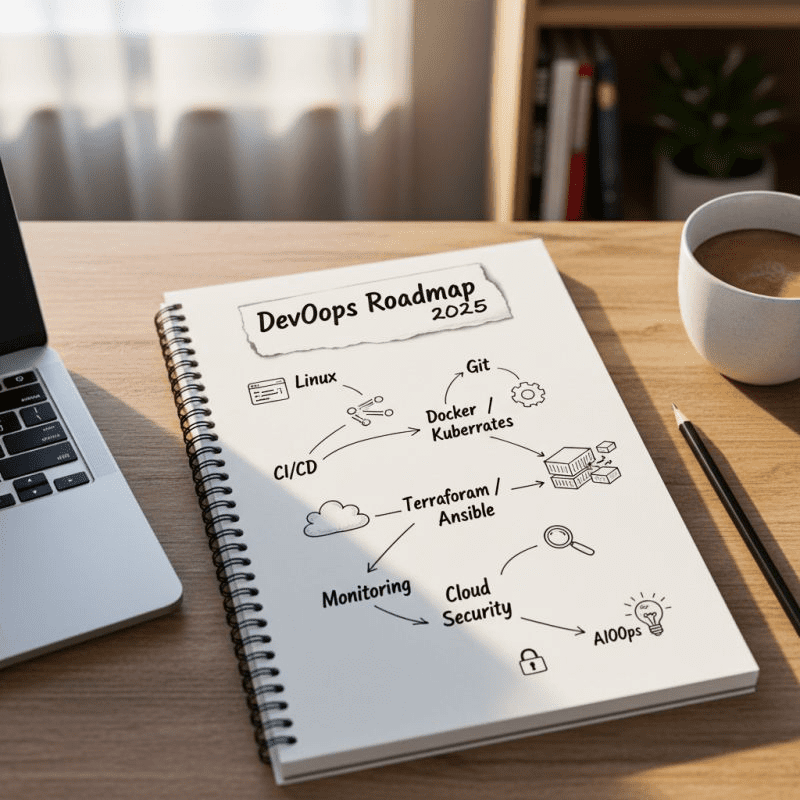
Today, he works at Andela as a Senior DevOps Engineer, architecting enterprise-grade cloud solutions using Terraform and Bicep, leading the design of Infrastructure as Code standards, and overseeing complex on-premises to cloud migrations. The work is technical, but the impact is organizational: faster deployments, more secure systems, lower costs, and teams that can finally move as quickly as the businesses they support.
What separates Ugwu from other engineers at his level is the breadth of what he has built. He holds eight Microsoft certifications, including Azure Solutions Architect Expert and DevOps Engineer Expert. In 2025, Microsoft named him a Microsoft MVP in the Azure Infrastructure as Code category, a recognition awarded to fewer than 4,000 engineers globally who demonstrate outstanding community contributions and technical expertise.
He is also completing an Advanced Diploma in Artificial Intelligence at Tekdia Institute in Boston, adding AI and automation to an already formidable technical profile.
“Cloud is no longer just about moving workloads. It is about building systems that are intelligent, secure, and self-managing,” he said. “That is where the industry is going.”
 Chidiebere Ugwu
For a continent where cloud adoption is accelerating, but skilled infrastructure engineers remain scarce, Ugwu represents something important: proof that African engineers are not just participating in the global cloud economy but shaping its architecture from the inside out.
He is not finished building.
Similar read: Leveraging Analytics to Refine Your Digital Content Strategy


You May Also Like

XRP-Friendly US Crypto Exchange Gemini Secures Key CFTC License

March trade deficit reaches $4.512B
