

Japan Foreign Exchange: Mimura Confirms Close US Contact Amid Yen Crisis
BitcoinWorld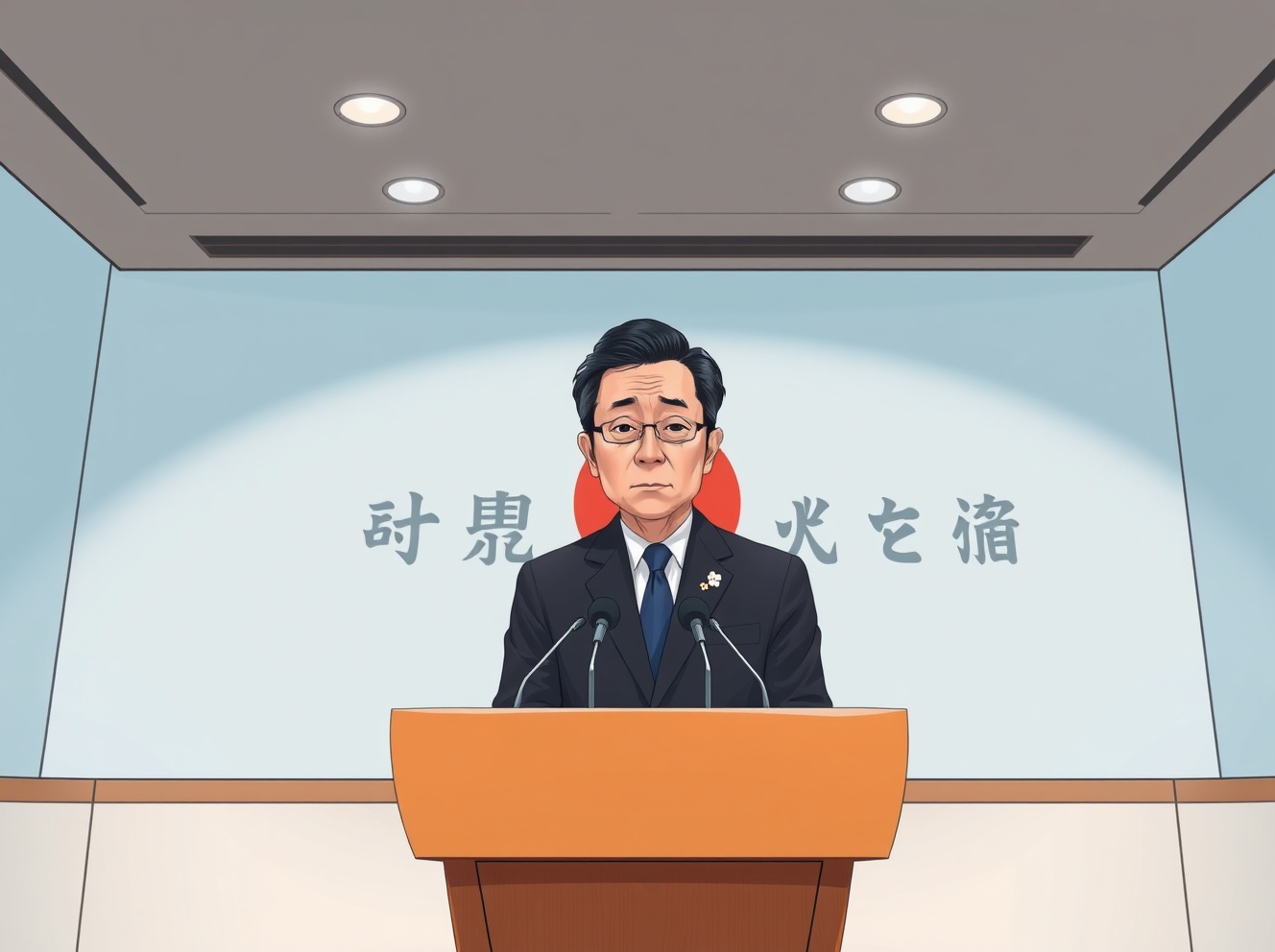
Japan Foreign Exchange: Mimura Confirms Close US Contact Amid Yen Crisis
Japan’s top foreign exchange diplomat, Masato Mimura, confirmed on Tuesday that Tokyo maintains close contact with Washington on foreign exchange policy. This statement arrives during a period of heightened yen volatility. Markets now watch for potential coordinated action. The focus keyword, Japan foreign exchange, drives this critical policy discussion.
Japan Foreign Exchange: Mimura’s Key Statement
Mimura serves as Japan’s Vice Finance Minister for International Affairs. He oversees currency policy. His recent comments highlight ongoing communication with US Treasury officials. He did not specify intervention plans. However, his words signal readiness to act. The yen has weakened significantly against the dollar. This trend pressures Japanese import costs.
Analysts interpret Mimura’s statement as a warning to speculators. Japan foreign exchange authorities have intervened before. They spent billions in 2022 and 2024. Now, markets test their resolve again. The dollar-yen rate recently touched 152. This level triggered previous interventions. Mimura’s close contact with the US suggests a coordinated approach. This reduces the risk of unilateral action.
Policy Coordination: Why US Contact Matters
Currency intervention works best with ally support. The US Treasury typically prefers market-determined rates. However, Japan’s case differs. The yen’s slide stems partly from US interest rate hikes. This creates a policy spillover. Japan foreign exchange officials argue for stability. They cite excessive volatility harming trade and investment. Mimura’s direct line to Washington ensures mutual understanding.
Previous interventions succeeded when the US remained neutral. In 2022, Japan acted alone. The yen rebounded temporarily. In 2024, Japan coordinated with verbal warnings. Now, physical intervention may follow. Mimura’s confirmation of close contact reduces uncertainty. Markets price in a lower risk of surprise action. This stabilizes expectations.
Historical Context of Japan-US Currency Talks
The US and Japan have a long history of currency diplomacy. The 1985 Plaza Accord remains a landmark. It devalued the dollar against the yen. Today, the dynamic reverses. Japan seeks a stronger yen. The US wants a competitive dollar. Mimura’s role bridges these interests. His regular calls with US Treasury Under Secretary for International Affairs Jay Shambaugh are routine. These talks cover economic outlooks, not just rates. This broadens the policy toolkit.
In 2024, Japan intervened three times. Each intervention cost around $30 billion. The Ministry of Finance now holds over $1.2 trillion in reserves. This firepower deters excessive speculation. Mimura’s statement reinforces that credibility. Markets know Japan can act. The question is when.
Yen Volatility: Immediate Market Reactions
The yen strengthened briefly after Mimura’s comments. The dollar-yen pair dropped from 152.30 to 151.80. Traders covered short positions. This reaction shows market sensitivity to Japan foreign exchange policy. Analysts at Nomura Securities noted the verbal intervention effect. They expect further jawboning before actual action.
Carry trades remain popular. Investors borrow yen at low rates. They invest in higher-yielding dollar assets. This pushes yen lower. Mimura’s warning targets these trades. If Japan intervenes, carry trade losses could cascade. This risk keeps some speculators cautious. The close US contact adds another layer. Coordinated intervention would amplify impact.
Technical Levels and Intervention Triggers
Key levels matter for Japan foreign exchange intervention. The 152 level is a psychological barrier. The 155 level is a red line. The Ministry of Finance monitors daily fixing rates. It also watches option expiries. Mimura’s team uses data-driven triggers. They act when volatility exceeds 1% in a single day. They also respond to speculative positioning. The Commodity Futures Trading Commission data shows net short yen positions near multi-year highs. This increases intervention probability.
Past interventions followed similar patterns. Japan sells dollars and buys yen. It does this through the Bank of Japan. The BOJ executes orders in the Tokyo session. Sometimes, it acts during New York hours. This catches US traders off guard. Mimura’s close contact ensures the US Treasury is not surprised. This prevents diplomatic friction.
Economic Impact of Yen Weakness
A weak yen benefits Japanese exporters. Toyota and Sony report higher profits. However, it hurts households and small businesses. Import costs for food and energy rise. Japan imports most of its oil and gas. A weaker yen inflates prices. The Bank of Japan faces a dilemma. It wants to normalize policy. But it fears disrupting markets. Japan foreign exchange policy now intersects with monetary policy.
Prime Minister Shigeru Ishiba supports stable currency. His government faces inflation pressure. Real wages have fallen for 26 consecutive months. A weaker yen worsens this. Mimura’s role becomes political. He must balance export competitiveness with consumer welfare. Close US contact helps him navigate this. He can argue for US understanding of Japan’s domestic constraints.
Global Implications of Japan-US Coordination
Japan foreign exchange coordination with the US affects global markets. The dollar-yen rate influences Asian currencies. The Korean won and Chinese yuan often move in sympathy. A stable yen reduces regional volatility. Mimura’s confirmation reassures emerging markets. They fear competitive devaluations. Coordinated policy prevents currency wars.
The International Monetary Fund supports such communication. It advocates for transparency in intervention. Japan reports its actions to the IMF. The US Treasury’s semi-annual report on currency practices also matters. It can label countries as manipulators. Japan has avoided this label. Close contact helps maintain this status. Mimura’s diplomacy keeps Japan in good standing.
Expert Perspectives on Mimura’s Strategy
Former BOJ official Hiroshi Nakaso praised Mimura’s approach. He called it ‘calm and deliberate.’ Nakaso noted that verbal intervention now carries more weight. Markets respect Mimura’s track record. He led successful interventions in 2022 and 2024. His credibility amplifies his words. Analysts at JPMorgan Chase agree. They wrote that Mimura’s close US contact reduces the need for physical action. However, they warn that speculation may return if the yen continues falling.
Currency strategist Kengo Suzuki at Sumitomo Mitsui Banking Corporation sees a different risk. He argues that markets may test Mimura’s resolve. They want to see actual intervention. If the yen reaches 155, action becomes inevitable. Suzuki predicts a coordinated intervention with the US. This would be historic. The last joint intervention was in 1998. That action stabilized the yen for years.
Timeline of Recent Japan Foreign Exchange Actions
Understanding the timeline helps readers grasp the urgency. In September 2022, Japan intervened for the first time in 24 years. The yen was at 145.90. In October 2022, it intervened again at 151.94. In 2024, it intervened three times between April and July. Each time, the yen briefly strengthened. Then, it resumed its slide. Mimura’s current stance builds on these lessons.
He now emphasizes communication over surprise. This reduces market shock. It also builds trust with the US. The US Treasury under Janet Yellen supports market-determined rates. But it tolerates intervention to curb disorderly moves. Mimura’s close contact ensures he stays within these bounds. This pragmatic approach serves Japan’s interests.
Conclusion
Japan foreign exchange policy stands at a critical juncture. Mimura’s confirmation of close US contact signals readiness without panic. Markets should prepare for possible intervention. The yen’s trajectory depends on US interest rates and Japanese economic data. Mimura’s diplomacy ensures that any action will be coordinated and effective. This reduces risk for global investors. It also protects Japan’s economy from excessive volatility. The focus keyword, Japan foreign exchange, remains central to understanding these developments. Policymakers, traders, and citizens all benefit from this transparency.
FAQs
Q1: What did Japan’s Mimura say about US contact on foreign exchange?
Mimura confirmed that Japan maintains close communication with the US Treasury on currency policy. He did not announce immediate intervention but signaled readiness to act if needed.
Q2: Why does Japan coordinate with the US on forex intervention?
Coordination reduces diplomatic friction and enhances intervention effectiveness. The US prefers market-determined rates but tolerates action against disorderly moves. Close contact ensures mutual understanding.
Q3: What levels trigger Japan foreign exchange intervention?
Key levels include 152 and 155 dollar-yen. The Ministry of Finance also monitors daily volatility, speculative positioning, and option expiries. Interventions typically occur when volatility exceeds 1% in a day.
Q4: How does a weak yen affect Japan’s economy?
A weak yen benefits exporters but hurts households through higher import costs for food and energy. It also complicates Bank of Japan policy normalization. Real wages have fallen, creating political pressure.
Q5: Has Japan intervened in forex markets recently?
Yes. Japan intervened in 2022 (twice) and 2024 (three times). Each intervention cost billions of dollars. Mimura’s current strategy emphasizes verbal warnings backed by credible action readiness.
This post Japan Foreign Exchange: Mimura Confirms Close US Contact Amid Yen Crisis first appeared on BitcoinWorld.


You May Also Like

The changing face of elder care in Malaysia — Sayed Mohammad Reza Yamani Sayed Umar

Not a loophole: Singapore AI export controls let China tap US AI legally

Exclusive interview with Smokey The Bera, co-founder of Berachain: How the innovative PoL public chain solves the liquidity problem and may be launched in a few months



