Euro Slips as Hot US Inflation Data Reinforces Fed’s Higher-for-Longer Stance
BitcoinWorld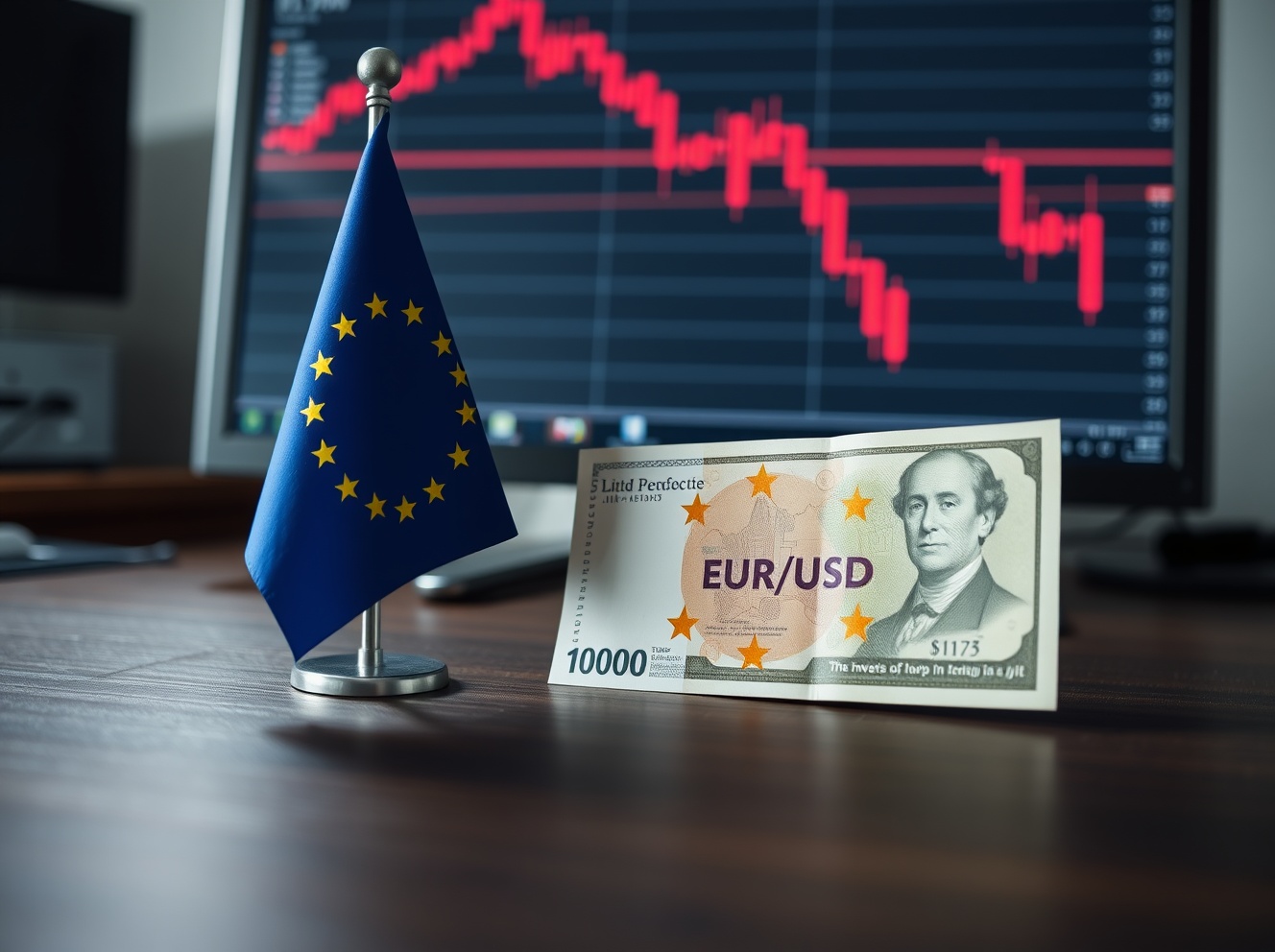
Euro Slips as Hot US Inflation Data Reinforces Fed’s Higher-for-Longer Stance
The euro weakened against the US dollar on Wednesday after a stronger-than-expected US inflation report dampened hopes for an early Federal Reserve rate cut, reinforcing expectations that interest rates will remain elevated for an extended period.
Inflation Data Shifts Market Expectations
The US Bureau of Labor Statistics reported that the Consumer Price Index (CPI) rose 0.4% in January on a seasonally adjusted basis, pushing the annual inflation rate to 3.1%, above the 2.9% forecast by economists. Core CPI, which excludes volatile food and energy prices, climbed 0.4% month-over-month, holding at 3.9% year-over-year, defying expectations of a decline.
The hotter-than-anticipated figures triggered a sharp repricing in rate expectations. According to CME Group’s FedWatch Tool, the probability of a rate cut at the Fed’s March meeting fell to below 10%, while the odds of the first cut occurring in June dropped significantly. Markets now price in fewer total cuts for 2024, aligning with the Fed’s own cautious guidance.
EUR/USD Reaction and Technical Levels
The EUR/USD pair fell approximately 0.6% on the day, sliding below the 1.0700 handle for the first time in over a week. The single currency found support near 1.0670 before stabilizing, but analysts warn that further downside is possible if US economic data continues to show resilience.
“The inflation print was a clear reminder that the last mile of disinflation is proving stubborn,” said a senior currency strategist at a European bank. “For the euro, this means a stronger dollar environment for longer, especially if the European Central Bank moves toward easing before the Fed.”
Technical indicators show the pair trading below its 50-day and 200-day moving averages, a bearish signal. The next key support level lies at 1.0650, followed by the October 2023 low near 1.0450. Resistance now sits at 1.0750 and 1.0800.
Why This Matters for Investors and Businesses
A persistently strong dollar driven by higher US rates has broad implications. European exporters face headwinds as their goods become more expensive in dollar-denominated markets. Conversely, US-based multinationals with significant European revenue may see translation benefits. For investors, the dollar’s strength pressures emerging-market currencies and commodities priced in dollars, including gold and oil.
Consumers and businesses in the eurozone may also feel the pinch through imported inflation, as a weaker euro raises the cost of dollar-priced imports such as energy and raw materials. This complicates the European Central Bank’s policy path, as it balances inflation concerns with slowing economic growth.
Outlook: What to Watch Next
Currency markets will now focus on upcoming eurozone inflation data and ECB communications for clues on the divergence between Fed and ECB policy paths. Any signs that the ECB is preparing to cut rates sooner than the Fed could add further pressure on the euro. Meanwhile, US producer price index (PPI) data and retail sales figures later this week will provide additional cues on the strength of the US economy and the trajectory of Fed policy.
Analysts caution that the “higher-for-longer” narrative is likely to persist as long as inflation remains above the Fed’s 2% target. The euro’s near-term direction will depend heavily on whether the US economy shows signs of cooling or continues to defy expectations.
Conclusion
The euro’s decline against the dollar reflects a market recalibrating its expectations for US interest rates following a hot inflation report. With the Fed unlikely to ease policy in the near term, the dollar is poised to remain strong, creating challenges for European exporters and complicating the ECB’s monetary policy decisions. Traders and businesses should brace for continued volatility as economic data drives the next moves in the currency pair.
FAQs
Q1: Why did the euro fall after the US inflation data?
The euro fell because the stronger-than-expected US inflation report reduced the likelihood of early Federal Reserve rate cuts, boosting the US dollar as investors anticipated higher-for-longer interest rates in the US.
Q2: What does “higher-for-longer” mean for the EUR/USD exchange rate?
“Higher-for-longer” refers to the expectation that the Federal Reserve will keep interest rates elevated for an extended period. This typically strengthens the dollar against the euro, as higher US rates attract capital inflows and increase the dollar’s yield advantage.
Q3: How does a weaker euro affect European consumers and businesses?
A weaker euro makes imports priced in dollars, such as oil and raw materials, more expensive, potentially fueling inflation. For European exporters, it can make their goods cheaper for foreign buyers, but it also increases the cost of imported inputs, squeezing profit margins.
This post Euro Slips as Hot US Inflation Data Reinforces Fed’s Higher-for-Longer Stance first appeared on BitcoinWorld.


You May Also Like

GOP Senate hopeful under fire over ties to church rocked by child sex abuse scandal

TD Securities: AI Impact on US Labor Market Remains Limited for Now