

US Producer Inflation Surges to 6% in April, Far Exceeding Expectations
BitcoinWorld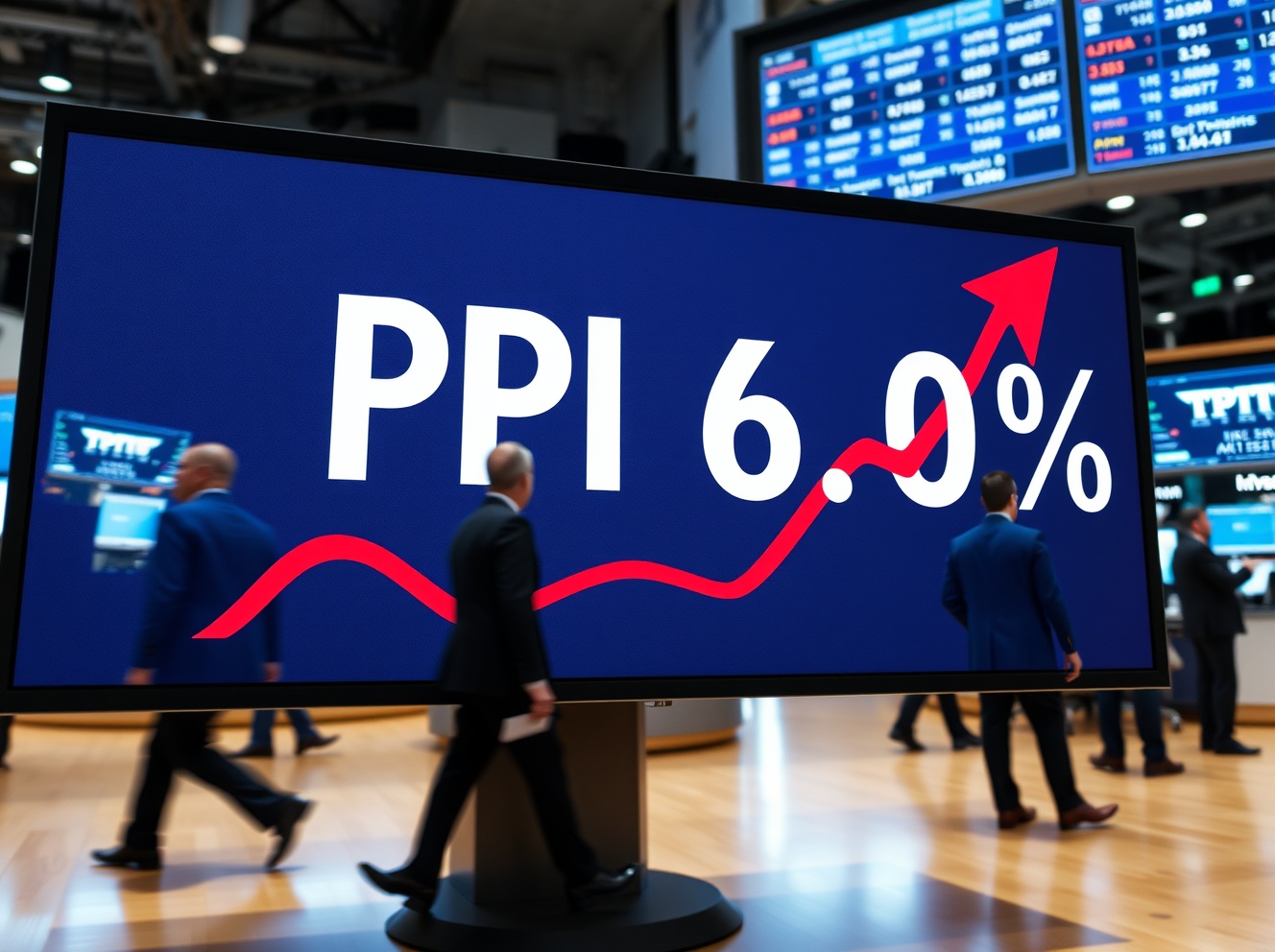
US Producer Inflation Surges to 6% in April, Far Exceeding Expectations
The U.S. Bureau of Labor Statistics reported on Tuesday that the annual rate of producer price inflation (PPI) climbed to 6.0% in April, a sharp acceleration from the previous month’s reading of 4.9% and significantly above the 4.9% forecast by economists. This marks the highest level of wholesale inflation in over a year, reigniting concerns about persistent price pressures in the economy.
What Drove the Surge in Producer Prices?
The headline PPI figure was driven by broad-based increases across several categories. Energy prices saw a notable jump, rising 2.1% month-over-month, while food prices increased by 1.5%. More importantly, core PPI, which excludes volatile food and energy components, also rose by 0.5% in April, suggesting that underlying inflationary pressures are becoming more entrenched. Service-sector prices, particularly in transportation and warehousing, contributed significantly to the upside surprise.
Implications for the Federal Reserve and Interest Rates
This hotter-than-expected producer inflation data arrives at a critical juncture for the Federal Reserve. The central bank has been signaling a potential pause in its rate-hiking cycle, but this report may complicate those plans. Rising input costs for businesses often translate into higher consumer prices down the line, a dynamic the Fed is keen to avoid. Market participants are now pricing in a higher probability of another rate hike at the June Federal Open Market Committee (FOMC) meeting, with the CME FedWatch Tool showing a 35% chance of a 25-basis-point increase, up from 20% before the data release.
Impact on Financial Markets
U.S. stock futures dipped immediately following the release, with the S&P 500 and Nasdaq both indicating a lower open. Bond yields rose sharply, with the 10-year Treasury yield climbing to 4.65%, as traders adjusted their expectations for a more hawkish Fed. The U.S. dollar strengthened against a basket of major currencies, reflecting renewed safe-haven demand. Analysts warn that persistent producer inflation could squeeze corporate profit margins, particularly for companies with less pricing power, and may lead to a more cautious outlook for second-quarter earnings.
Why This Matters for Consumers and Businesses
For consumers, the sustained rise in producer prices is a leading indicator that retail prices may not moderate as quickly as hoped. Businesses, especially small and medium-sized enterprises, face a difficult environment of higher input costs and borrowing expenses. The data also complicates the narrative that inflation is on a clear downward trajectory, which could delay any relief in mortgage rates, auto loans, and other consumer credit.
Conclusion
The April PPI report is a clear signal that inflationary pressures in the U.S. economy remain stubbornly elevated, challenging the market’s expectation of a near-term pivot by the Federal Reserve. While one month of data does not constitute a trend, the breadth of the increases warrants close monitoring. The upcoming Consumer Price Index (CPI) report for April, due next week, will be critical in determining whether this producer-level inflation is beginning to pass through to consumers.
FAQs
Q1: What is the Producer Price Index (PPI)?
The Producer Price Index measures the average change over time in selling prices received by domestic producers for their output. It is a key indicator of wholesale inflation and often signals future changes in consumer prices.
Q2: How does PPI differ from CPI?
PPI tracks prices from the perspective of the seller (producers), while the Consumer Price Index (CPI) tracks prices from the buyer’s perspective (consumers). PPI is considered a leading indicator for CPI because higher production costs are often passed on to consumers.
Q3: What does a 6% PPI reading mean for the economy?
A 6% annual PPI reading indicates that input costs for businesses are rising significantly. This can lead to higher consumer prices, reduced corporate profit margins, and may force the Federal Reserve to maintain or increase interest rates to control inflation.
This post US Producer Inflation Surges to 6% in April, Far Exceeding Expectations first appeared on BitcoinWorld.


You May Also Like
UB Token Explodes After Unibase Agent Market Launch

Trump arrives in Beijing: crypto reaction and Polymarket odds shift?




