

US Bitcoin ETFs Lose $1B as Inflation Fears Trigger Outflows
U.S. spot Bitcoin ETFs shed more than $1 billion across three trading sessions in May 2026 as hotter-than-expected inflation data triggered a broad risk-off shift among institutional investors.
Three Sessions Wiped $1.13 Billion From Bitcoin ETFs
The sharpest single-day exit came on May 13, when U.S. spot Bitcoin ETFs posted a net outflow of $630.4 million, the largest daily withdrawal since January. BlackRock’s IBIT led with $284.7 million in redemptions, followed by ARK 21Shares’ ARKB at $177.1 million and Fidelity’s FBTC at $133.2 million.
That session did not arrive in isolation. Farside Investors data shows net outflows of $268.5 million on May 7 and $233.2 million on May 12, bringing the three-session total to $1.13 billion. The reversal marks a sharp turn from the sustained inflow streak that had characterized much of early 2026, a period when ETF demand helped support prices above $90,000.
Bitcoin traded at $77,899 at the time of the outflow data, down 1.6% over 24 hours. The Fear & Greed Index registered 31, firmly in “Fear” territory.
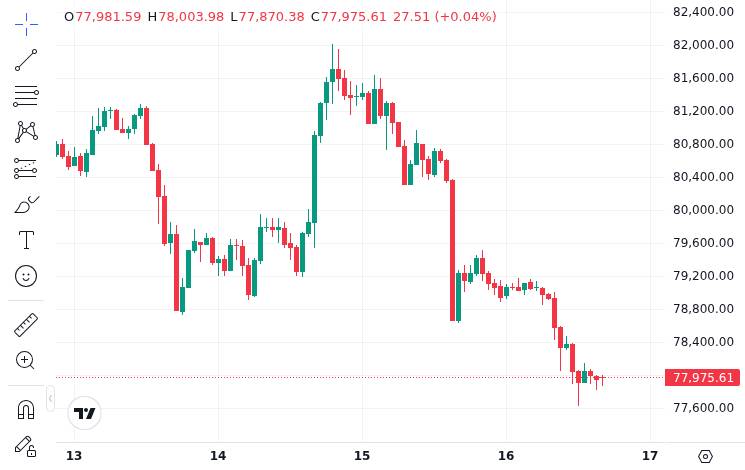 CoinMarketCap chart illustrating the price backdrop referenced in this article on bitcoin.
Inflation Data Flipped ETF Sentiment
The catalyst was a one-two punch of macro releases. April’s Consumer Price Index came in at 3.8% year over year, above the 3.7% consensus, with a 0.6% monthly increase that signaled persistent price pressures.
Producer prices reinforced the concern. April PPI jumped 6.0% year over year with a 1.4% monthly gain, the largest since March 2022. Together, the prints pushed rate-cut expectations further out and pressured risk assets broadly, similar to the dynamic that drove Bitcoin below $82,000 during the Treasury yield spike earlier this year.
Illia Otychenko, a market analyst, noted that “a large part of the outflows was driven by this week’s U.S. inflation data,” according to reporting from Decrypt.
The distinction matters: the outflows reflect a macro sentiment shift, not structural problems with the ETF products themselves. Funds like IBIT and FBTC continue to function normally. Investors are repricing the likelihood of Federal Reserve rate cuts, and Bitcoin ETFs, as liquid proxies for crypto exposure, absorb that repricing quickly.
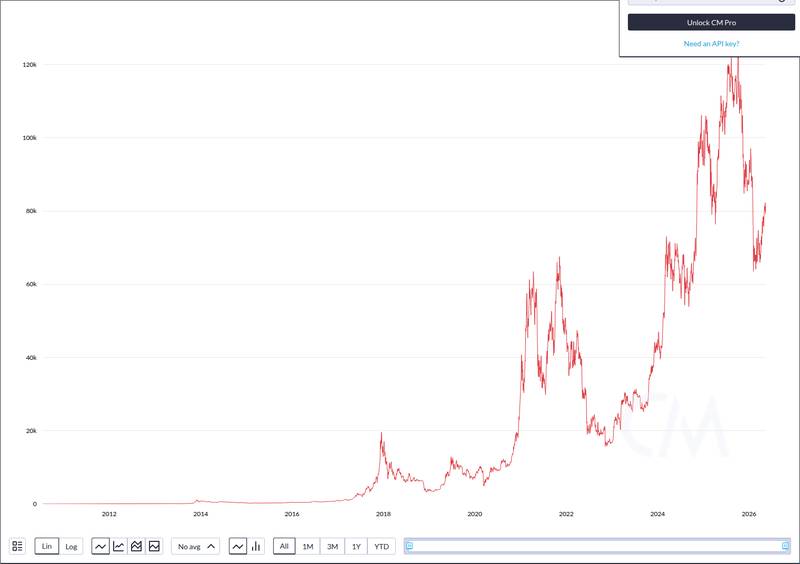 CoinMetrics blockchain-data panel highlighting the structural trend discussed for bitcoin.
What Investors Are Watching Next
A $1.13 billion withdrawal across three sessions signals meaningful near-term weakness in demand, but whether it represents a temporary pause or the start of a sustained exit depends on incoming data. Bitcoin ETF flows have become a widely watched sentiment gauge for both institutional and retail participation in crypto markets.
The next signals that could stabilize or accelerate outflows include the May Federal Reserve meeting minutes, any revision to the rate-path dot plot, and whether subsequent CPI prints confirm or soften the April surprise. Traders on platforms like Hyperliquid have remained net long through the drawdown, suggesting leveraged positioning has not yet capitulated.
If inflation moderates in the June reading and the Fed signals patience rather than hawkishness, the outflow pattern could reverse as quickly as it started. For now, the $1 billion withdrawal stands as the clearest signal that macro conditions, not crypto-native factors, are dictating institutional appetite for Bitcoin exposure.
Disclaimer: This article is for informational purposes only and does not constitute financial or investment advice. Cryptocurrency and digital asset markets carry significant risk. Always do your own research before making decisions.


You May Also Like

The changing face of elder care in Malaysia — Sayed Mohammad Reza Yamani Sayed Umar

Covéa Chooses Shift Technology as Strategic Partner for Fraud and Risk Management

Not a loophole: Singapore AI export controls let China tap US AI legally



