

Gold Holds Steady as Falling Yields Offset Hawkish Fed Signals
BitcoinWorld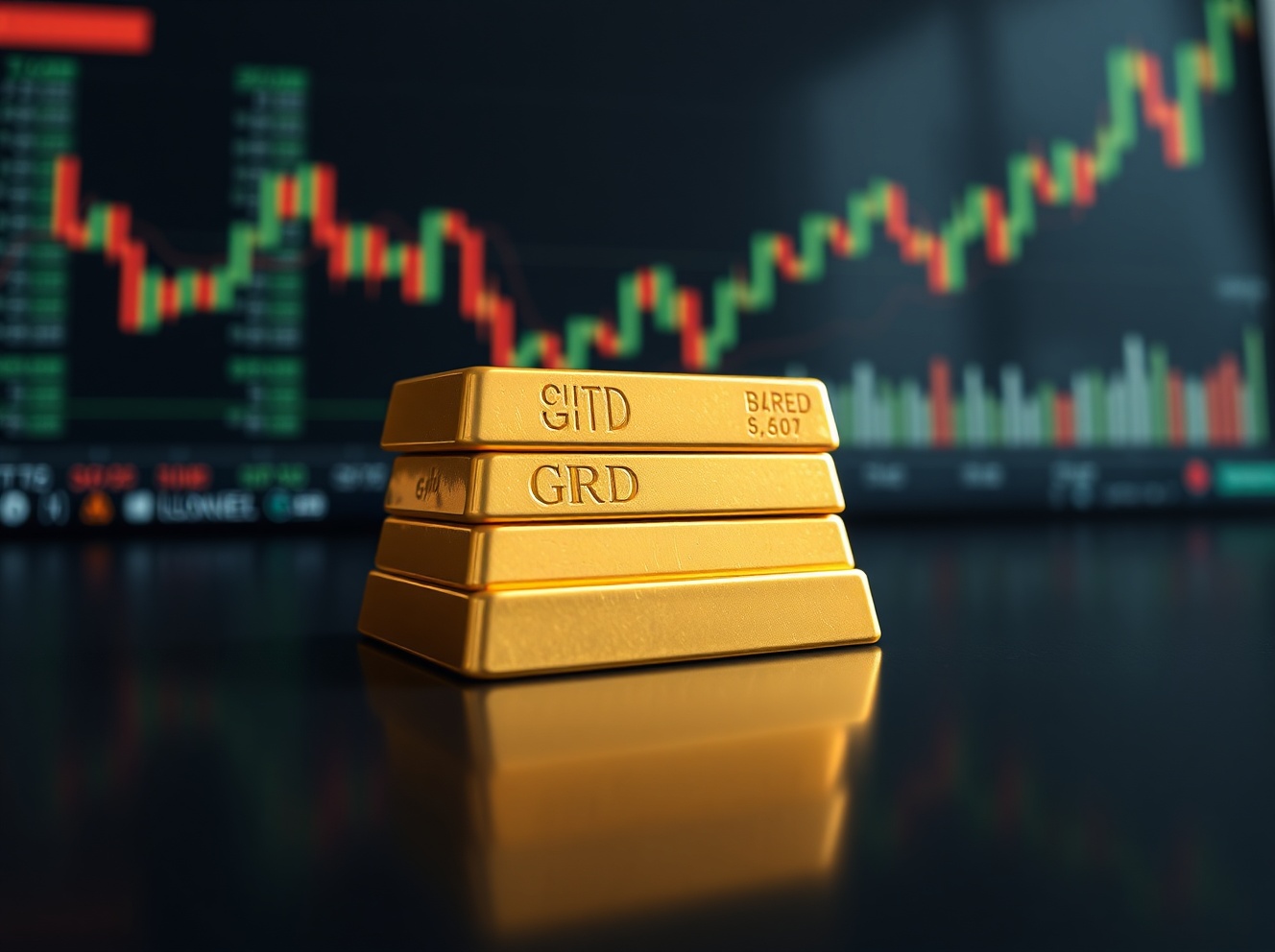
Gold Holds Steady as Falling Yields Offset Hawkish Fed Signals
Gold prices stabilized during Wednesday trading as a retreat in US Treasury yields provided support, counterbalancing the persistent pressure from a hawkish Federal Reserve outlook. The precious metal hovered near recent ranges, reflecting a market caught between conflicting signals from the bond market and monetary policy expectations.
Yields Retreat Lend Support to Non-Yielding Assets
The decline in US Treasury yields, particularly the 10-year note, offered a reprieve for gold, which does not generate interest income. Lower yields reduce the opportunity cost of holding gold, making it more attractive relative to interest-bearing assets. This dynamic has been a key driver in recent sessions, as investors reassess the pace of economic growth and inflation expectations.
Data released earlier this week showed a slight cooling in consumer confidence and mixed signals from the housing sector, prompting a flight to safety that benefited bonds and, by extension, gold. The yield on the benchmark 10-year Treasury fell by several basis points, providing a tailwind for the metal.
Fed’s Hawkish Stance Caps Gains
However, upside for gold remains limited by the Federal Reserve’s cautious approach to monetary easing. Recent comments from Fed officials have reinforced a wait-and-see posture, emphasizing the need for more evidence that inflation is sustainably moving toward the 2% target before considering rate cuts.
This hawkish rhetoric keeps the US dollar relatively firm, which typically weighs on gold priced in dollars. The interplay between a strong dollar and lower yields has created a narrow trading range for the metal, with investors hesitant to commit to directional bets ahead of key economic data releases.
Market Implications for Investors
For market participants, the current environment suggests a period of consolidation for gold. The metal is effectively caught between supportive factors—such as geopolitical uncertainty and falling yields—and headwinds from a patient Fed and a resilient dollar. Traders are closely watching upcoming inflation reports and employment data for clues on the central bank’s next move.
From a portfolio perspective, gold continues to serve as a hedge against tail risks and currency debasement, though its near-term price trajectory may remain range-bound until clearer signals emerge from the Fed’s policy path.
Conclusion
Gold’s steadiness reflects a market in balance, with falling US Treasury yields providing a floor while a hawkish Federal Reserve caps rallies. The precious metal is likely to remain sensitive to shifts in interest rate expectations and macroeconomic data in the coming weeks. Investors should monitor yield movements and Fed commentary for the next potential catalyst.
FAQs
Q1: Why does gold move inversely to Treasury yields?
Gold is a non-yielding asset, meaning it does not pay interest or dividends. When Treasury yields fall, the opportunity cost of holding gold decreases, making it more attractive to investors. Conversely, rising yields increase the appeal of interest-bearing assets, reducing demand for gold.
Q2: How does a hawkish Federal Reserve affect gold prices?
A hawkish Fed signals a preference for tighter monetary policy, such as keeping interest rates higher for longer or delaying rate cuts. This strengthens the US dollar and raises bond yields, both of which are negative for gold prices as they increase the opportunity cost of holding the metal.
Q3: What key data should gold investors watch next?
Investors should focus on US inflation reports (CPI, PCE), non-farm payrolls, and Fed meeting minutes. These data points influence interest rate expectations and the dollar’s trajectory, which are primary drivers of gold price movements in the current environment.
This post Gold Holds Steady as Falling Yields Offset Hawkish Fed Signals first appeared on BitcoinWorld.


You May Also Like
Is Europe preparing to rewrite MiCA crypto rules?
What Is A Decentralized Exchange (DEX) And Why Are They So Important To The Future Of Crypto?
Official probe launched into Trump's most 'brazen act of public corruption'



