

Iran’s Supreme Leader Orders Near-Weapons-Grade Uranium to Stay in Country
BitcoinWorld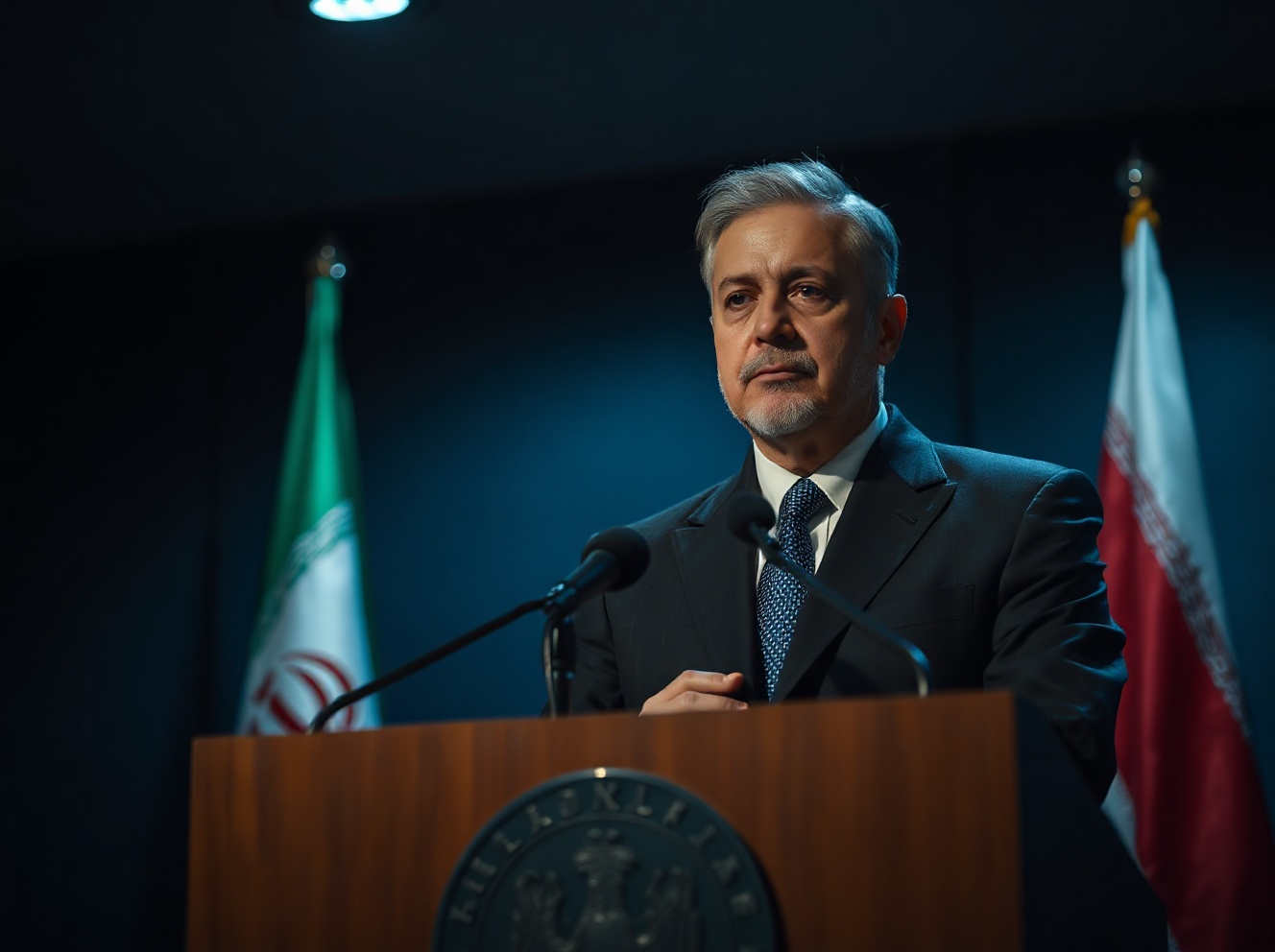
Iran’s Supreme Leader Orders Near-Weapons-Grade Uranium to Stay in Country
Iran’s Supreme Leader, Ayatollah Ali Khamenei, has issued a directive ordering that all near-weapons-grade uranium produced by the country must remain within Iran’s borders, according to a report from Reuters. The order, which sources familiar with the matter described as reflecting a broad consensus within the Iranian establishment, signals a hardening of Tehran’s position ahead of renewed negotiations with the International Atomic Energy Agency (IAEA).
Background and Strategic Implications
The directive comes at a time when Iran’s stockpile of uranium enriched to 60% purity—just a technical step short of the 90% threshold required for weapons-grade material—has drawn increasing international scrutiny. Western intelligence agencies and the IAEA have repeatedly called for Iran to halt enrichment activities and allow unfettered access to its nuclear facilities.
By insisting that this enriched material remain inside the country, the Supreme Leader is effectively ruling out any potential agreement that would involve shipping the stockpile abroad, a common demand in past nuclear negotiations. Analysts suggest this move could complicate ongoing diplomatic efforts aimed at reviving the 2015 Joint Comprehensive Plan of Action (JCPOA), which has been in tatters since the United States withdrew in 2018.
Reactions and Market Impact
The announcement has not yet triggered significant volatility in global oil or currency markets, but traders and geopolitical risk analysts are watching closely. Any escalation in tensions between Iran and the West could disrupt shipping routes in the Strait of Hormuz, through which about 20% of the world’s oil passes.
Israel, which has long warned it would not tolerate a nuclear-armed Iran, has not publicly responded to the latest directive. However, defense sources indicate that Israeli military planners are updating contingency scenarios in light of the news.
What This Means for the Nuclear Deal
The Supreme Leader’s order effectively removes one of the most frequently discussed compromise options from the negotiating table. Previous diplomatic proposals had included transferring Iran’s enriched uranium to a third country, such as Russia, in exchange for sanctions relief. With that option now off the table, negotiators will need to find alternative frameworks if they hope to reach a new agreement.
Conclusion
The Supreme Leader’s directive represents a significant hardening of Iran’s nuclear stance, reinforcing the domestic consensus that enriched uranium is a strategic asset that must not be relinquished. As the IAEA prepares its next quarterly report on Iran’s compliance, the international community faces a narrowing window for diplomatic resolution. The coming weeks will be critical in determining whether this move leads to renewed talks or deeper confrontation.
FAQs
Q1: What is near-weapons-grade uranium?
Near-weapons-grade uranium refers to uranium enriched to 60% purity. While not sufficient for a nuclear weapon, it is only a short technical step away from the 90% enrichment level required for weapons-grade material. Iran’s stockpile at this level has been a major point of contention with the IAEA.
Q2: Why does the Supreme Leader’s order matter for international negotiations?
The order prevents Iran from shipping its enriched uranium abroad, which was a key element of past diplomatic proposals. This reduces the options available to negotiators and could make it harder to reach a new nuclear agreement.
Q3: How does this affect global energy markets?
While immediate market reactions have been muted, the potential for increased tensions between Iran and Western powers could eventually threaten oil shipments through the Strait of Hormuz. Traders are monitoring the situation for any signs of escalation that could disrupt supply.
This post Iran’s Supreme Leader Orders Near-Weapons-Grade Uranium to Stay in Country first appeared on BitcoinWorld.


You May Also Like

E.l.f. Beauty (ELF) Stock Surges Despite Disappointing Forward Guidance After Q4 Earnings Beat
Deere (DE) Stock Falls After Q2 Beat as Flat Farm Income Spooks Investors

Oman slashes budget deficit on higher hydrocarbon revenues



