BitcoinWorld Baby Shark Token Faces Shocking 90% Crash as Pinkfong Denies Official Ties The cryptocurrency world is often a wild ride, and sometimes, the biggest waves come from unexpected places. Recently, the Baby Shark token, a project built on Story Protocol, experienced a shocking and dramatic plunge, leaving many investors with significant losses. This incident serves as an urgent reminder of the absolute importance of official verification and brand authenticity in the volatile digital asset landscape. It highlights the dangers lurking beneath the surface of seemingly innocent projects. What Caused the Baby Shark Token’s Dramatic Plunge? The Baby Shark token saw its value crash by over 90% in a swift market correction. This severe decline was triggered by official revelations that the project was not an officially issued or endorsed venture by Pinkfong. Pinkfong is the globally recognized creator behind the incredibly popular “Baby Shark” phenomenon. CoinDesk reported on this significant clarification, which quickly sent shockwaves through the token’s community and its market value. The token, leveraging the beloved brand, operated without the necessary authorization from the intellectual property owner. This lack of official backing proved to be its ultimate undoing. Understanding the Core Issue: Unofficial vs. Official Baby Shark Tokens Pinkfong, as the rightful intellectual property owner, has made its stance unequivocally clear: only two tokens currently carry their official license and endorsement. For any investor, discerning this crucial difference is paramount for protecting their capital. The first officially licensed token is the Baby Shark Meme, operating on the Solana blockchain. The second officially licensed token is the Baby Shark Universe, built on the BNB Chain. These are the only digital assets recognized and approved by Pinkfong. Any other project, including the Baby Shark token that crashed, claiming official ties or using the brand without explicit licensing, should immediately raise a red flag. The recent plunge vividly demonstrates the severe consequences of investing in projects lacking proper official endorsement and legal backing. Why is Official Licensing So Crucial in Crypto? In the decentralized world of cryptocurrency, the line between legitimate innovation and speculative ventures can often blur. Official licensing provides several layers of security and trust: Brand Integrity: It assures investors the project is sanctioned by the original brand owner, upholding the brand’s reputation. Legal Standing: Licensed projects operate within a legal framework, offering protection and accountability. Long-Term Vision: Official projects typically have a clearer roadmap, integrated into the brand’s broader strategy. The unauthorized Baby Shark token failed on these fundamental points, leading to its catastrophic failure. This highlights a persistent challenge within the crypto space: the ease with which bad actors can co-opt popular brands to launch unverified projects. Protecting Your Investments: Vital Lessons from the Baby Shark Token Incident The rapid and devastating crash of the unlicensed Baby Shark token offers invaluable lessons for every cryptocurrency investor. It is a stark reminder that due diligence is an absolute necessity. Always Verify Official Endorsements: Before committing funds, proactively check official websites, social media, and press releases from the original brand owner. Do not rely solely on project marketing. Conduct Thorough Due Diligence: Research beyond the hype. Investigate the project’s team, technology, and whitepaper. Look for transparent communication and verifiable partnerships. Beware of Imposter Projects: Scammers frequently leverage popular brands or cultural phenomena to create fake tokens, hoping to attract unsuspecting investors. The incident with the Baby Shark token is a textbook example. Understand Risk: All crypto investments carry risk. Unlicensed projects introduce an additional, often catastrophic, layer of risk related to legitimacy and legal challenges. Adopting this diligent approach can significantly help protect your assets from sudden market downturns caused by legitimacy issues and potential fraud. Navigating the Crypto Waters: The Future of Official Baby Shark Tokens While one Baby Shark token faced a devastating crash, the officially licensed projects continue to navigate the crypto waters. These legitimate tokens, backed by Pinkfong, aim to build sustainable ecosystems and engage with their communities responsibly. However, their long-term success will still depend on broader market conditions, their inherent utility, and their ability to deliver on their promises. This incident powerfully highlights the ongoing challenge of intellectual property protection and brand integrity in the often-unregulated decentralized crypto world. Investors must remain exceptionally vigilant, prioritizing authenticity, verified partnerships, and robust project fundamentals above all else. Conclusion: The Enduring Power of Authenticity The dramatic fall of the unauthorized Baby Shark token serves as a powerful and undeniable cautionary tale. It profoundly underscores the critical need for every investor to perform rigorous due diligence and verify official licensing before committing funds to a cryptocurrency project. In the fast-paced, high-stakes world of digital assets, authenticity is absolutely paramount. Always remember that an official endorsement provides a fundamental layer of trust, legitimacy, and potential longevity that unofficial, unauthorized projects simply cannot offer. Stay informed, stay cautious, and always invest wisely to protect your financial future. Frequently Asked Questions (FAQs) What was the Baby Shark token that crashed? The token that crashed was an unofficial Baby Shark token built on Story Protocol. It had no official ties or endorsement from Pinkfong, the creators of the “Baby Shark” brand. Why did the Baby Shark token crash so dramatically? The token crashed over 90% after Pinkfong publicly denied any official association with it. This revelation exposed its lack of legitimacy, causing investors to lose confidence and sell off their holdings. Are there any official Baby Shark tokens? Yes, Pinkfong has officially licensed two tokens: the Solana-based Baby Shark Meme and the BNB Chain-based Baby Shark Universe. These are the only projects officially recognized by the brand. How can investors avoid similar scams or unofficial projects? Investors should always conduct thorough due diligence. Verify official endorsements directly from the brand owner’s official channels, research the project’s team and technology, and be wary of projects leveraging popular brands without clear, verifiable licensing. What role does Pinkfong play in this situation? Pinkfong is the intellectual property owner of the “Baby Shark” brand. They clarified that the crashed token was not officially licensed by them, thereby protecting their brand and informing the public about legitimate versus illegitimate projects. Was this article helpful in understanding the risks of unofficial crypto projects? Share this crucial information with your friends and fellow investors on social media to help them stay informed and make safer investment decisions! To learn more about the latest crypto market trends, explore our article on key developments shaping cryptocurrency investment strategies. This post Baby Shark Token Faces Shocking 90% Crash as Pinkfong Denies Official Ties first appeared on BitcoinWorld.BitcoinWorld Baby Shark Token Faces Shocking 90% Crash as Pinkfong Denies Official Ties The cryptocurrency world is often a wild ride, and sometimes, the biggest waves come from unexpected places. Recently, the Baby Shark token, a project built on Story Protocol, experienced a shocking and dramatic plunge, leaving many investors with significant losses. This incident serves as an urgent reminder of the absolute importance of official verification and brand authenticity in the volatile digital asset landscape. It highlights the dangers lurking beneath the surface of seemingly innocent projects. What Caused the Baby Shark Token’s Dramatic Plunge? The Baby Shark token saw its value crash by over 90% in a swift market correction. This severe decline was triggered by official revelations that the project was not an officially issued or endorsed venture by Pinkfong. Pinkfong is the globally recognized creator behind the incredibly popular “Baby Shark” phenomenon. CoinDesk reported on this significant clarification, which quickly sent shockwaves through the token’s community and its market value. The token, leveraging the beloved brand, operated without the necessary authorization from the intellectual property owner. This lack of official backing proved to be its ultimate undoing. Understanding the Core Issue: Unofficial vs. Official Baby Shark Tokens Pinkfong, as the rightful intellectual property owner, has made its stance unequivocally clear: only two tokens currently carry their official license and endorsement. For any investor, discerning this crucial difference is paramount for protecting their capital. The first officially licensed token is the Baby Shark Meme, operating on the Solana blockchain. The second officially licensed token is the Baby Shark Universe, built on the BNB Chain. These are the only digital assets recognized and approved by Pinkfong. Any other project, including the Baby Shark token that crashed, claiming official ties or using the brand without explicit licensing, should immediately raise a red flag. The recent plunge vividly demonstrates the severe consequences of investing in projects lacking proper official endorsement and legal backing. Why is Official Licensing So Crucial in Crypto? In the decentralized world of cryptocurrency, the line between legitimate innovation and speculative ventures can often blur. Official licensing provides several layers of security and trust: Brand Integrity: It assures investors the project is sanctioned by the original brand owner, upholding the brand’s reputation. Legal Standing: Licensed projects operate within a legal framework, offering protection and accountability. Long-Term Vision: Official projects typically have a clearer roadmap, integrated into the brand’s broader strategy. The unauthorized Baby Shark token failed on these fundamental points, leading to its catastrophic failure. This highlights a persistent challenge within the crypto space: the ease with which bad actors can co-opt popular brands to launch unverified projects. Protecting Your Investments: Vital Lessons from the Baby Shark Token Incident The rapid and devastating crash of the unlicensed Baby Shark token offers invaluable lessons for every cryptocurrency investor. It is a stark reminder that due diligence is an absolute necessity. Always Verify Official Endorsements: Before committing funds, proactively check official websites, social media, and press releases from the original brand owner. Do not rely solely on project marketing. Conduct Thorough Due Diligence: Research beyond the hype. Investigate the project’s team, technology, and whitepaper. Look for transparent communication and verifiable partnerships. Beware of Imposter Projects: Scammers frequently leverage popular brands or cultural phenomena to create fake tokens, hoping to attract unsuspecting investors. The incident with the Baby Shark token is a textbook example. Understand Risk: All crypto investments carry risk. Unlicensed projects introduce an additional, often catastrophic, layer of risk related to legitimacy and legal challenges. Adopting this diligent approach can significantly help protect your assets from sudden market downturns caused by legitimacy issues and potential fraud. Navigating the Crypto Waters: The Future of Official Baby Shark Tokens While one Baby Shark token faced a devastating crash, the officially licensed projects continue to navigate the crypto waters. These legitimate tokens, backed by Pinkfong, aim to build sustainable ecosystems and engage with their communities responsibly. However, their long-term success will still depend on broader market conditions, their inherent utility, and their ability to deliver on their promises. This incident powerfully highlights the ongoing challenge of intellectual property protection and brand integrity in the often-unregulated decentralized crypto world. Investors must remain exceptionally vigilant, prioritizing authenticity, verified partnerships, and robust project fundamentals above all else. Conclusion: The Enduring Power of Authenticity The dramatic fall of the unauthorized Baby Shark token serves as a powerful and undeniable cautionary tale. It profoundly underscores the critical need for every investor to perform rigorous due diligence and verify official licensing before committing funds to a cryptocurrency project. In the fast-paced, high-stakes world of digital assets, authenticity is absolutely paramount. Always remember that an official endorsement provides a fundamental layer of trust, legitimacy, and potential longevity that unofficial, unauthorized projects simply cannot offer. Stay informed, stay cautious, and always invest wisely to protect your financial future. Frequently Asked Questions (FAQs) What was the Baby Shark token that crashed? The token that crashed was an unofficial Baby Shark token built on Story Protocol. It had no official ties or endorsement from Pinkfong, the creators of the “Baby Shark” brand. Why did the Baby Shark token crash so dramatically? The token crashed over 90% after Pinkfong publicly denied any official association with it. This revelation exposed its lack of legitimacy, causing investors to lose confidence and sell off their holdings. Are there any official Baby Shark tokens? Yes, Pinkfong has officially licensed two tokens: the Solana-based Baby Shark Meme and the BNB Chain-based Baby Shark Universe. These are the only projects officially recognized by the brand. How can investors avoid similar scams or unofficial projects? Investors should always conduct thorough due diligence. Verify official endorsements directly from the brand owner’s official channels, research the project’s team and technology, and be wary of projects leveraging popular brands without clear, verifiable licensing. What role does Pinkfong play in this situation? Pinkfong is the intellectual property owner of the “Baby Shark” brand. They clarified that the crashed token was not officially licensed by them, thereby protecting their brand and informing the public about legitimate versus illegitimate projects. Was this article helpful in understanding the risks of unofficial crypto projects? Share this crucial information with your friends and fellow investors on social media to help them stay informed and make safer investment decisions! To learn more about the latest crypto market trends, explore our article on key developments shaping cryptocurrency investment strategies. This post Baby Shark Token Faces Shocking 90% Crash as Pinkfong Denies Official Ties first appeared on BitcoinWorld.

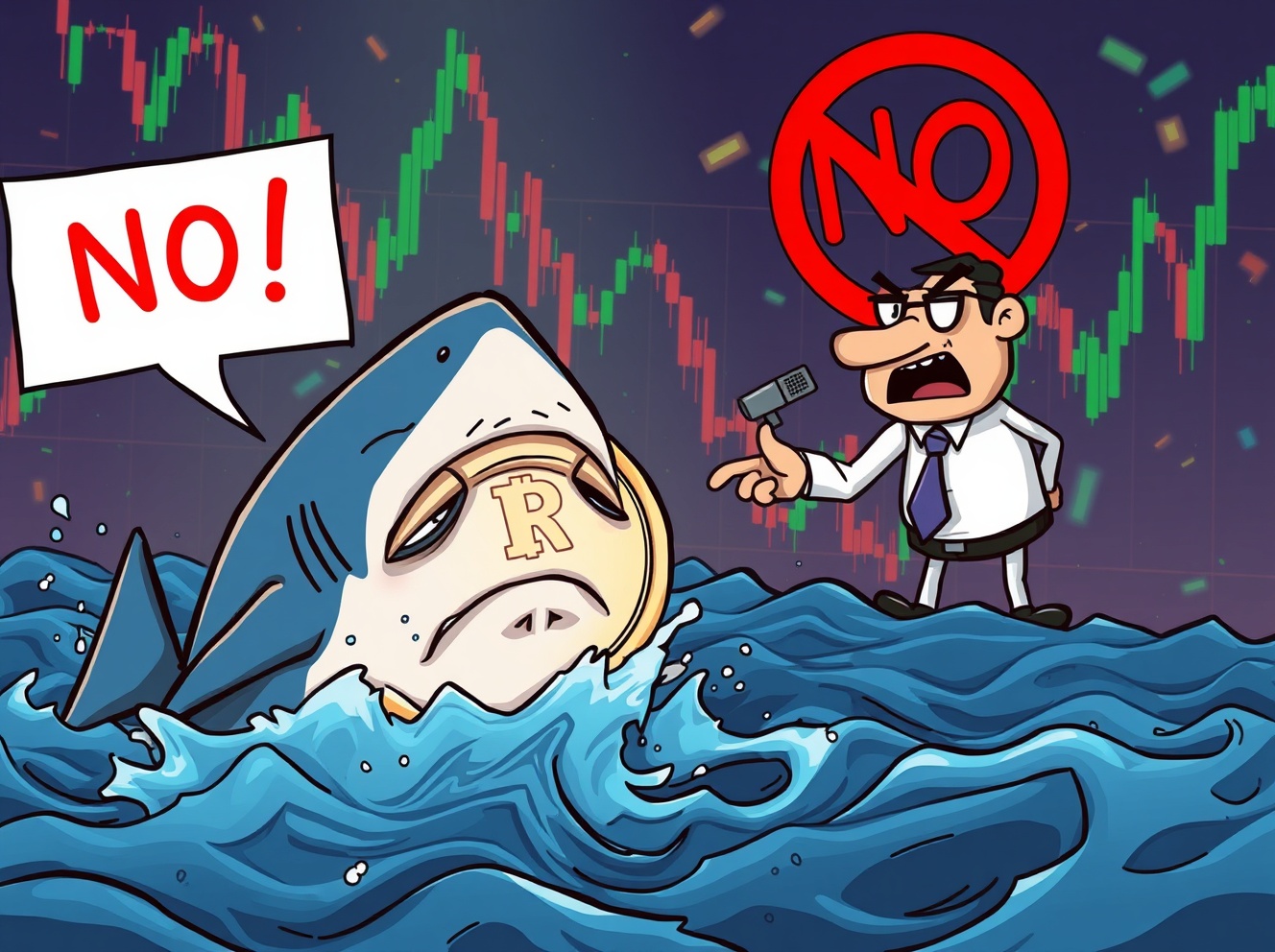
Baby Shark Token Faces Shocking 90% Crash as Pinkfong Denies Official Ties

BitcoinWorld
Baby Shark Token Faces Shocking 90% Crash as Pinkfong Denies Official Ties

The cryptocurrency world is often a wild ride, and sometimes, the biggest waves come from unexpected places. Recently, the Baby Shark token, a project built on Story Protocol, experienced a shocking and dramatic plunge, leaving many investors with significant losses. This incident serves as an urgent reminder of the absolute importance of official verification and brand authenticity in the volatile digital asset landscape. It highlights the dangers lurking beneath the surface of seemingly innocent projects.

What Caused the Baby Shark Token’s Dramatic Plunge?

The Baby Shark token saw its value crash by over 90% in a swift market correction. This severe decline was triggered by official revelations that the project was not an officially issued or endorsed venture by Pinkfong. Pinkfong is the globally recognized creator behind the incredibly popular “Baby Shark” phenomenon. CoinDesk reported on this significant clarification, which quickly sent shockwaves through the token’s community and its market value. The token, leveraging the beloved brand, operated without the necessary authorization from the intellectual property owner. This lack of official backing proved to be its ultimate undoing.

Understanding the Core Issue: Unofficial vs. Official Baby Shark Tokens

Pinkfong, as the rightful intellectual property owner, has made its stance unequivocally clear: only two tokens currently carry their official license and endorsement. For any investor, discerning this crucial difference is paramount for protecting their capital.

  • The first officially licensed token is the Baby Shark Meme, operating on the Solana blockchain.
  • The second officially licensed token is the Baby Shark Universe, built on the BNB Chain.

These are the only digital assets recognized and approved by Pinkfong. Any other project, including the Baby Shark token that crashed, claiming official ties or using the brand without explicit licensing, should immediately raise a red flag. The recent plunge vividly demonstrates the severe consequences of investing in projects lacking proper official endorsement and legal backing.

Why is Official Licensing So Crucial in Crypto?

In the decentralized world of cryptocurrency, the line between legitimate innovation and speculative ventures can often blur. Official licensing provides several layers of security and trust:

  • Brand Integrity: It assures investors the project is sanctioned by the original brand owner, upholding the brand’s reputation.
  • Legal Standing: Licensed projects operate within a legal framework, offering protection and accountability.
  • Long-Term Vision: Official projects typically have a clearer roadmap, integrated into the brand’s broader strategy.

The unauthorized Baby Shark token failed on these fundamental points, leading to its catastrophic failure. This highlights a persistent challenge within the crypto space: the ease with which bad actors can co-opt popular brands to launch unverified projects.

Protecting Your Investments: Vital Lessons from the Baby Shark Token Incident

The rapid and devastating crash of the unlicensed Baby Shark token offers invaluable lessons for every cryptocurrency investor. It is a stark reminder that due diligence is an absolute necessity.

  • Always Verify Official Endorsements: Before committing funds, proactively check official websites, social media, and press releases from the original brand owner. Do not rely solely on project marketing.
  • Conduct Thorough Due Diligence: Research beyond the hype. Investigate the project’s team, technology, and whitepaper. Look for transparent communication and verifiable partnerships.
  • Beware of Imposter Projects: Scammers frequently leverage popular brands or cultural phenomena to create fake tokens, hoping to attract unsuspecting investors. The incident with the Baby Shark token is a textbook example.
  • Understand Risk: All crypto investments carry risk. Unlicensed projects introduce an additional, often catastrophic, layer of risk related to legitimacy and legal challenges.

Adopting this diligent approach can significantly help protect your assets from sudden market downturns caused by legitimacy issues and potential fraud.

While one Baby Shark token faced a devastating crash, the officially licensed projects continue to navigate the crypto waters. These legitimate tokens, backed by Pinkfong, aim to build sustainable ecosystems and engage with their communities responsibly. However, their long-term success will still depend on broader market conditions, their inherent utility, and their ability to deliver on their promises. This incident powerfully highlights the ongoing challenge of intellectual property protection and brand integrity in the often-unregulated decentralized crypto world. Investors must remain exceptionally vigilant, prioritizing authenticity, verified partnerships, and robust project fundamentals above all else.

Conclusion: The Enduring Power of Authenticity

The dramatic fall of the unauthorized Baby Shark token serves as a powerful and undeniable cautionary tale. It profoundly underscores the critical need for every investor to perform rigorous due diligence and verify official licensing before committing funds to a cryptocurrency project. In the fast-paced, high-stakes world of digital assets, authenticity is absolutely paramount. Always remember that an official endorsement provides a fundamental layer of trust, legitimacy, and potential longevity that unofficial, unauthorized projects simply cannot offer. Stay informed, stay cautious, and always invest wisely to protect your financial future.

Frequently Asked Questions (FAQs)

  • What was the Baby Shark token that crashed?
    The token that crashed was an unofficial Baby Shark token built on Story Protocol. It had no official ties or endorsement from Pinkfong, the creators of the “Baby Shark” brand.
  • Why did the Baby Shark token crash so dramatically?
    The token crashed over 90% after Pinkfong publicly denied any official association with it. This revelation exposed its lack of legitimacy, causing investors to lose confidence and sell off their holdings.
  • Are there any official Baby Shark tokens?
    Yes, Pinkfong has officially licensed two tokens: the Solana-based Baby Shark Meme and the BNB Chain-based Baby Shark Universe. These are the only projects officially recognized by the brand.
  • How can investors avoid similar scams or unofficial projects?
    Investors should always conduct thorough due diligence. Verify official endorsements directly from the brand owner’s official channels, research the project’s team and technology, and be wary of projects leveraging popular brands without clear, verifiable licensing.
  • What role does Pinkfong play in this situation?
    Pinkfong is the intellectual property owner of the “Baby Shark” brand. They clarified that the crashed token was not officially licensed by them, thereby protecting their brand and informing the public about legitimate versus illegitimate projects.

Was this article helpful in understanding the risks of unofficial crypto projects? Share this crucial information with your friends and fellow investors on social media to help them stay informed and make safer investment decisions!

To learn more about the latest crypto market trends, explore our article on key developments shaping cryptocurrency investment strategies.

This post Baby Shark Token Faces Shocking 90% Crash as Pinkfong Denies Official Ties first appeared on BitcoinWorld.

Market Opportunity
Babylon Logo
Babylon Price(BABY)
$0,01706
$0,01706$0,01706
-1,27%
USD
Babylon (BABY) Live Price Chart
Disclaimer: The articles reposted on this site are sourced from public platforms and are provided for informational purposes only. They do not necessarily reflect the views of MEXC. All rights remain with the original authors. If you believe any content infringes on third-party rights, please contact [email protected] for removal. MEXC makes no guarantees regarding the accuracy, completeness, or timeliness of the content and is not responsible for any actions taken based on the information provided. The content does not constitute financial, legal, or other professional advice, nor should it be considered a recommendation or endorsement by MEXC.

You May Also Like

MoneyGram launches stablecoin-powered app in Colombia

MoneyGram launches stablecoin-powered app in Colombia

The post MoneyGram launches stablecoin-powered app in Colombia appeared on BitcoinEthereumNews.com. MoneyGram has launched a new mobile application in Colombia that uses USD-pegged stablecoins to modernize cross-border remittances. According to an announcement on Wednesday, the app allows customers to receive money instantly into a US dollar balance backed by Circle’s USDC stablecoin, which can be stored, spent, or cashed out through MoneyGram’s global retail network. The rollout is designed to address the volatility of local currencies, particularly the Colombian peso. Built on the Stellar blockchain and supported by wallet infrastructure provider Crossmint, the app marks MoneyGram’s most significant move yet to integrate stablecoins into consumer-facing services. Colombia was selected as the first market due to its heavy reliance on inbound remittances—families in the country receive more than 22 times the amount they send abroad, according to Statista. The announcement said future expansions will target other remittance-heavy markets. MoneyGram, which has nearly 500,000 retail locations globally, has experimented with blockchain rails since partnering with the Stellar Development Foundation in 2021. It has since built cash on and off ramps for stablecoins, developed APIs for crypto integration, and incorporated stablecoins into its internal settlement processes. “This launch is the first step toward a world where every person, everywhere, has access to dollar stablecoins,” CEO Anthony Soohoo stated. The company emphasized compliance, citing decades of regulatory experience, though stablecoin oversight remains fluid. The US Congress passed the GENIUS Act earlier this year, establishing a framework for stablecoin regulation, which MoneyGram has pointed to as providing clearer guardrails. This is a developing story. This article was generated with the assistance of AI and reviewed by editor Jeffrey Albus before publication. Get the news in your inbox. Explore Blockworks newsletters: Source: https://blockworks.co/news/moneygram-stablecoin-app-colombia
Share
BitcoinEthereumNews2025/09/18 07:04
South Korea Prosecution Loses Bitcoin Worth $48 Million

South Korea Prosecution Loses Bitcoin Worth $48 Million

The post South Korea Prosecution Loses Bitcoin Worth $48 Million appeared on BitcoinEthereumNews.com. Key Points: Gwangju Prosecutors’ Office loses $48 million
Share
BitcoinEthereumNews2026/01/22 18:25
PEPE Price Prediction: Was Pepe’s Price Increase Short-Lived? Why This New Crypto Has The Potential for Long-Term

PEPE Price Prediction: Was Pepe’s Price Increase Short-Lived? Why This New Crypto Has The Potential for Long-Term

Recent PEPE price prediction analyses highlight a brief surge driven by influencer hype, yet many experts warn it could fade […] The post PEPE Price Prediction:
Share
Coindoo2026/01/22 18:40