

India’s Central Bank Has Room to Let Rupee Slide Further, Analysts Say
BitcoinWorld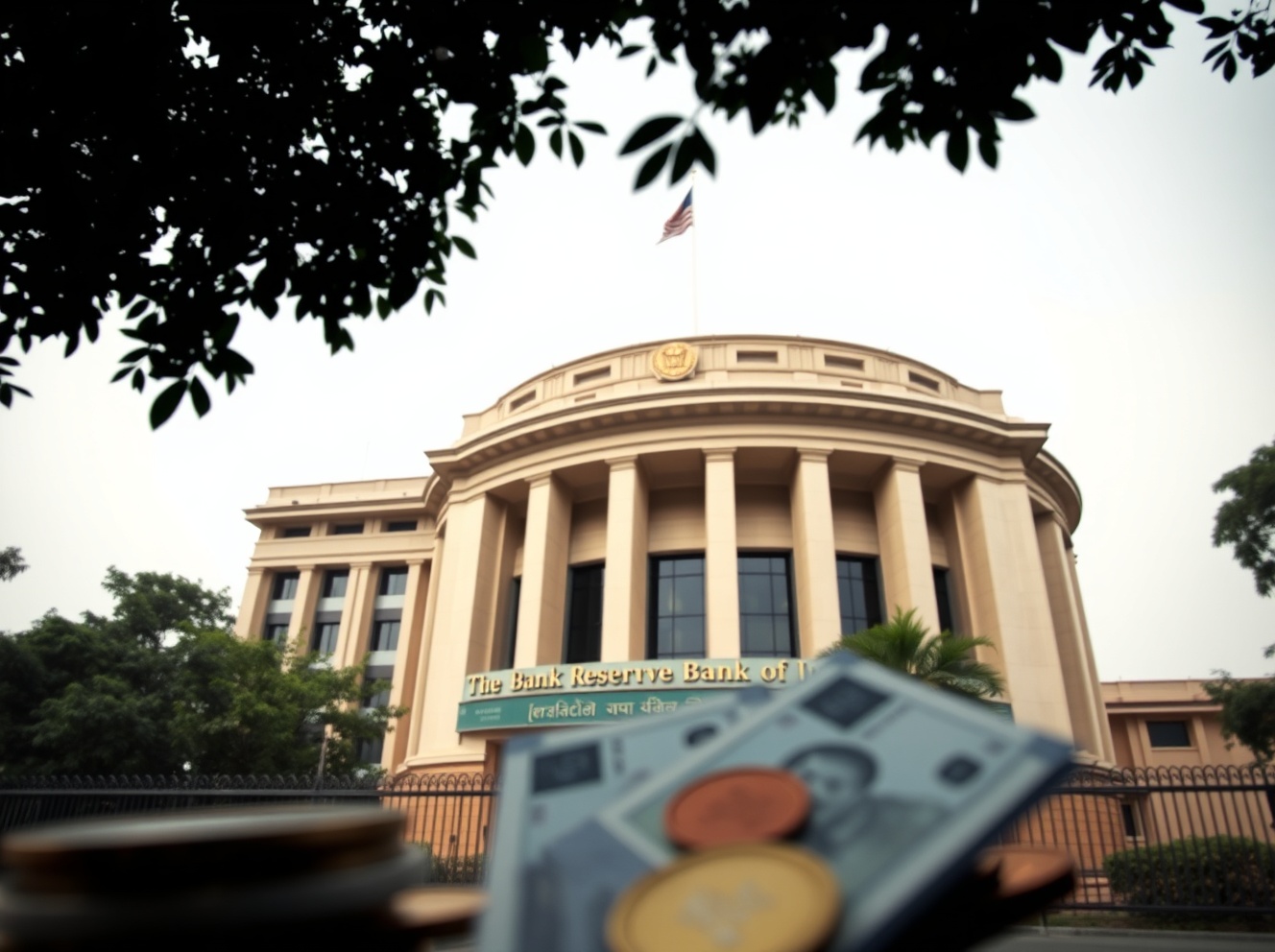
India’s Central Bank Has Room to Let Rupee Slide Further, Analysts Say
The Reserve Bank of India (RBI) may have greater scope to allow the Indian rupee to weaken further without triggering severe macroeconomic consequences, according to recent analysis. This assessment comes as the central bank balances the competing demands of export competitiveness, inflation control, and capital flow stability.
Policy Flexibility in a Shifting Global Landscape
The rupee has faced persistent depreciation pressure against the US dollar, driven by a strong dollar index, rising US interest rates, and volatile global capital flows. While the RBI has historically intervened to smooth excessive volatility, policymakers now appear more willing to let market forces play a larger role.
Analysts point to several factors that limit the potential fallout from a weaker rupee. India’s foreign exchange reserves, which stood at over $600 billion as of late 2025, provide a substantial buffer against speculative attacks. Additionally, the country’s current account deficit remains manageable, and export sectors such as information technology, pharmaceuticals, and textiles stand to benefit from a more competitive exchange rate.
“The RBI has room to allow gradual depreciation without triggering a crisis,” said a senior economist at a Mumbai-based research firm. “The macro fundamentals are stronger than in previous episodes of rupee weakness.”
Inflation and Import Costs: The Key Risks
A weaker rupee makes imports more expensive, particularly crude oil, which India buys in large volumes. Higher oil prices feed into domestic fuel and transportation costs, potentially stoking inflation. However, global oil prices have remained relatively subdued in recent months, reducing the immediate inflationary threat.
Food inflation, a more significant driver of consumer price pressures in India, is largely influenced by domestic supply conditions rather than exchange rate movements. This further insulates the broader economy from the effects of currency depreciation.
The RBI’s monetary policy committee has maintained a cautious stance, keeping the repo rate steady at 6.50% through its recent meetings. A controlled depreciation could reduce the need for aggressive rate hikes, as it would not necessarily fuel demand-side inflation.
Impact on Trade and Capital Flows
A more flexible exchange rate policy could improve India’s export competitiveness over the medium term. Sectors such as textiles, leather, and auto components, which face stiff competition from regional peers, may gain an edge. However, import-dependent industries like electronics and machinery could see margins squeezed.
Foreign portfolio investors have shown mixed reactions. While some may view a weaker rupee as a risk, others see it as a sign that the RBI is allowing markets to adjust naturally, reducing the likelihood of disruptive interventions later.
“The RBI’s approach signals confidence in the economy’s resilience,” noted a currency strategist. “Markets generally prefer predictability over sudden shocks.”
Conclusion
The RBI’s willingness to tolerate further rupee depreciation reflects a pragmatic assessment of India’s macroeconomic stability. With strong reserves, manageable inflation risks, and potential export gains, the central bank has room to let the currency adjust gradually. Policymakers will continue to monitor global developments closely, but the risk of severe fallout appears limited. For investors and businesses, the key takeaway is that a weaker rupee, while not without costs, is unlikely to destabilize the broader economy in the near term.
FAQs
Q1: Why might the RBI allow the rupee to depreciate further?
The RBI may permit gradual depreciation to improve export competitiveness, reduce the need for heavy intervention, and allow market forces to determine the exchange rate, given strong foreign exchange reserves and manageable macroeconomic risks.
Q2: What are the main risks of a weaker rupee for India?
The primary risk is higher import costs, especially for crude oil, which could feed into inflation. However, subdued global oil prices and domestically driven food inflation limit this risk. Capital outflows are another concern, but reserves provide a cushion.
Q3: How does a weaker rupee affect Indian exporters?
Exporters in sectors like IT, pharmaceuticals, textiles, and auto components benefit from a weaker rupee, as their goods become cheaper for foreign buyers. This can boost revenues and profitability in rupee terms.
This post India’s Central Bank Has Room to Let Rupee Slide Further, Analysts Say first appeared on BitcoinWorld.


You May Also Like

Franklin Templeton CEO Dismisses 50bps Rate Cut Ahead FOMC

YZi Labs and Susquehanna Crypto have made a follow-on investment in Predict.fun

Gold Spot Volume on Binance Surges to $80M as Demand Extends Beyond Futures



