

Iran’s Ghalibaf Accuses US of Violating Lebanon Ceasefire with Naval Blockade and Attacks
BitcoinWorld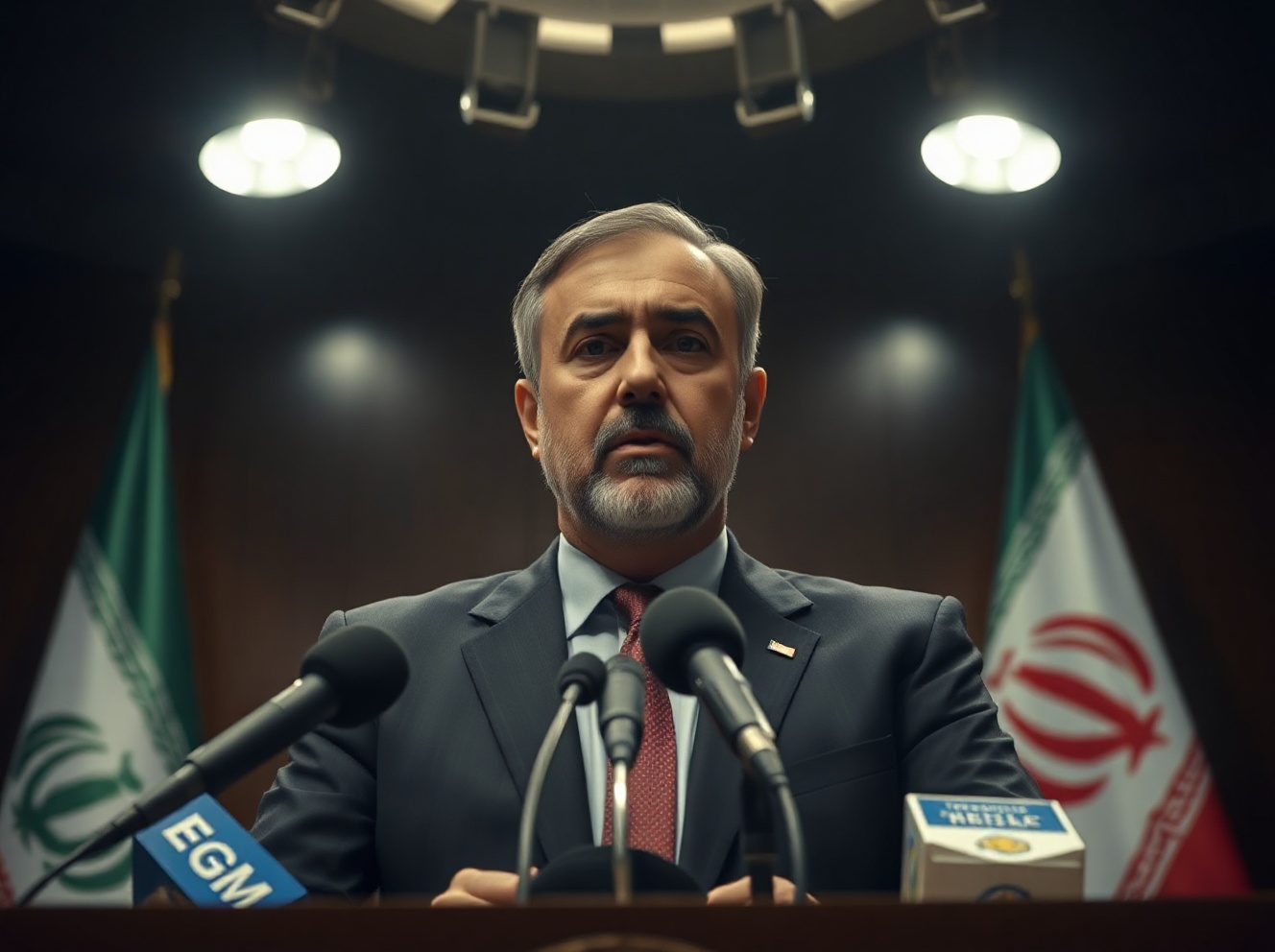
Iran’s Ghalibaf Accuses US of Violating Lebanon Ceasefire with Naval Blockade and Attacks
Iran’s Parliament Speaker, Mohammad Bagher Ghalibaf, has leveled serious accusations against the United States, alleging that a US naval blockade and military attacks on Lebanon constitute a direct violation of the existing ceasefire agreement. The statement, delivered during a parliamentary session in Tehran, adds a new layer of tension to an already volatile region.
Ghalibaf’s Allegations and the Ceasefire Context
Ghalibaf specifically pointed to US naval operations in the Eastern Mediterranean and reported strikes on Lebanese territory as breaches of the ceasefire framework that was established to de-escalate hostilities between Israel and Hezbollah. While he did not provide immediate evidence for the claims, his remarks reflect Tehran’s longstanding position that the US military presence in the region undermines stability. The ceasefire, brokered through international mediation, had been fragile since its inception, with periodic violations reported by all sides.
Regional Implications and Escalation Risks
The accusation comes amid heightened US-Iran tensions, particularly over Iran’s nuclear program and its support for proxy groups in the region. Analysts suggest that Ghalibaf’s statement may be aimed at rallying domestic and regional support against perceived US aggression, while also testing the Biden administration’s commitment to the ceasefire. A naval blockade, if confirmed, would represent a significant escalation, potentially disrupting maritime trade and humanitarian aid to Lebanon, which is already grappling with a severe economic crisis.
What This Means for the Ceasefire
The core question now is whether these allegations are substantiated or part of a broader diplomatic maneuver. International observers, including the United Nations Interim Force in Lebanon (UNIFIL), have not publicly confirmed any US naval blockade or attacks. However, the mere accusation risks inflaming public opinion and complicating ongoing efforts to stabilize the Lebanese-Israeli border. For readers, the key takeaway is that the ceasefire remains under severe strain, and any new military action could trigger a broader regional conflict.
Conclusion
Ghalibaf’s accusation underscores the fragile nature of the Lebanon ceasefire and the deep mistrust between Iran and the United States. While the claims require independent verification, they highlight how quickly diplomatic frameworks can be undermined by unilateral actions or rhetoric. The situation warrants close monitoring as any escalation could have far-reaching consequences for regional security and global energy markets.
FAQs
Q1: What exactly did Ghalibaf accuse the US of?
He accused the US of imposing a naval blockade on Lebanon and conducting military attacks on Lebanese territory, which he says violates the existing ceasefire agreement.
Q2: Is there independent confirmation of these allegations?
As of now, no independent sources, including UNIFIL or international media, have confirmed a US naval blockade or attacks on Lebanon. The claims remain unverified.
Q3: Why does this matter for the broader Middle East?
If true, these actions could escalate US-Iran tensions, destabilize Lebanon further, and potentially collapse the ceasefire, leading to renewed hostilities between Israel and Hezbollah.
This post Iran’s Ghalibaf Accuses US of Violating Lebanon Ceasefire with Naval Blockade and Attacks first appeared on BitcoinWorld.


You May Also Like

$5M Raised without Exchange Listings: Is MAXI the Best Altcoin to Buy?

Drift Protocol Crashes 40.5% Despite $24M Market Cap: What the Data Reveals

Virginia Beach Repair Firm Adds Technician to Meet Service Demand



