

DeFi’s Old Hack Vectors Are Fading, but New Risk Spans Six Chains
DeFi’s threat landscape is shifting. Legacy exploit patterns that once dominated headlines are giving way to a newer class of cross-chain vulnerability, one capable of hitting six chains at once and amplifying blast radius far beyond any single protocol.
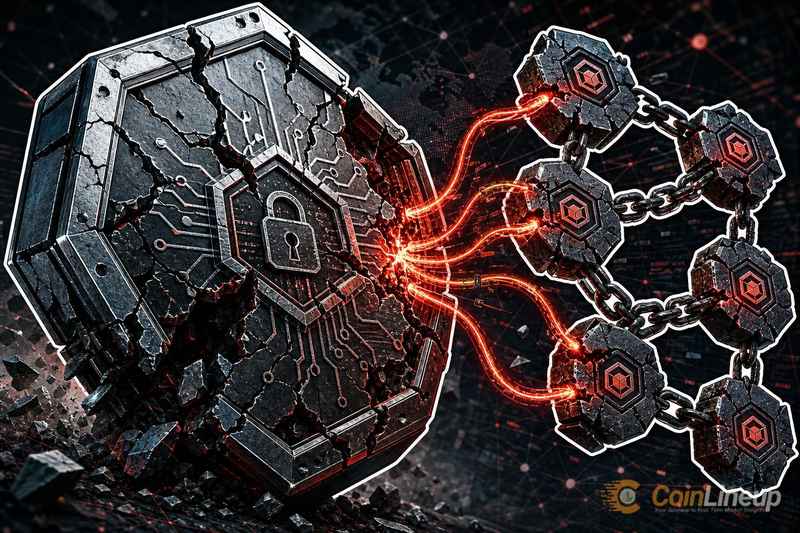
Why older DeFi hack vectors are losing impact
For years, DeFi exploits followed familiar playbooks: reentrancy bugs, flash loan manipulation, oracle attacks, and admin key compromises. These vectors targeted individual smart contracts on a single chain, limiting damage to one protocol’s liquidity pools or treasury.
That pattern is fading in dominance, though not disappearing. As Immunefi’s ecosystem vulnerability research has tracked over six years of DeFi loss data, the security landscape has matured. Bug bounty programs, formal verification, and battle-tested contract templates have raised the bar for single-chain exploits.
The result is not that DeFi is safe. It is that attacker incentives are migrating toward targets with broader reach, where one vulnerability can drain value across multiple networks simultaneously.
What makes the new DeFi risk dangerous across six chains
The newer threat centers on cross-chain infrastructure: bridges, shared messaging layers, and multi-chain protocols that hold assets or relay transactions across six or more networks. A vulnerability in this connective tissue does not stay contained to one ecosystem.
As CryptoSlate reported, this cross-chain risk represents a fundamentally different threat model. Where isolated exploits once drained a single lending pool, a flaw in shared infrastructure can cascade across Ethereum, BNB Chain, Arbitrum, Polygon, and other networks in a single incident.
The distinction matters because cross-chain designs concentrate trust assumptions. A bridge securing assets on six chains creates a single point of failure with six chains’ worth of exposure. The blast radius is not additive; it is multiplicative, since panic withdrawals on one chain can trigger liquidity crises on others.
This is structurally different from the era when a Solidity reentrancy bug could drain one vault. The new attack surface spans multiple virtual machines, consensus mechanisms, and validator sets, making auditing harder and incident response slower.
What this shift means for DeFi users, builders, and risk monitoring
For protocol teams, the implication is that security audits scoped to a single chain are no longer sufficient. Any project deploying across multiple networks needs to model how a breach on one chain propagates to others, particularly when shared liquidity or messaging contracts are involved.
For users holding positions across chains, concentration risk now extends beyond any one protocol. A user with stablecoin positions on three different networks connected by the same bridge faces correlated risk that diversification across chains does not eliminate. This is especially relevant as stablecoin regulatory frameworks continue to evolve and could affect how cross-chain stablecoin infrastructure operates.
The broader DeFi ecosystem is also grappling with how decentralized applications going multi-chain introduces governance complexity. When a vulnerability spans six chains, which chain’s community leads the response? Which multisig has authority to pause contracts?
Institutions acquiring large cross-chain ETH positions face amplified counterparty risk if the bridges and infrastructure connecting those holdings share common vulnerabilities.
Risk monitoring needs to shift from tracking isolated protocol exploits to watching systemic dependencies. The most dangerous vulnerabilities in DeFi’s next phase may not be in any single smart contract, but in the shared infrastructure that connects them all.
Disclaimer: This article is for informational purposes only and does not constitute financial or investment advice. Cryptocurrency and digital asset markets carry significant risk. Always do your own research before making decisions.


You May Also Like

World Cup Memecoin WORLDCUP Surges 130% Ahead of June Tournament
Yuga Labs rescues 68 NFTs after Flooring Protocol exploit

What Will Happen Before GTA VI Prediction 2026: GPT-6 Release, Trump Presidency, or Drake’s Iceman?



