

Iran Confirms Strait of Hormuz Will Stay Open — But With New Transit Fees
BitcoinWorld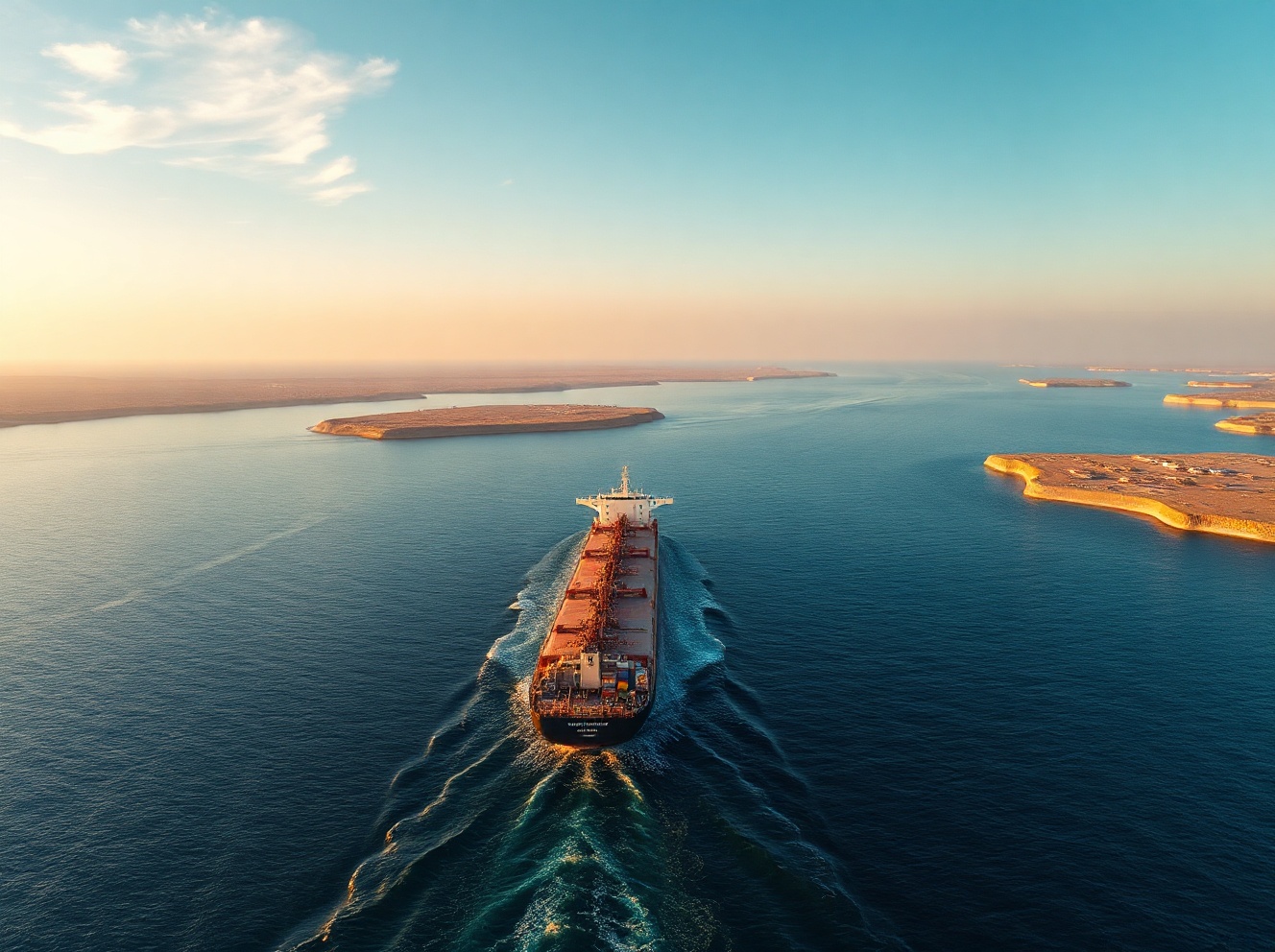
Iran Confirms Strait of Hormuz Will Stay Open — But With New Transit Fees
In a statement that carries significant weight for global energy markets, Iran’s ambassador to Moscow, Kazem Jalali, confirmed that the Strait of Hormuz will remain open to maritime traffic. However, he added a critical caveat: Iran intends to impose transit fees on vessels passing through the strategic waterway. The announcement, reported by Russian state media, signals a shift in Tehran’s approach to one of the world’s most vital oil chokepoints.
Strategic Context of the Strait of Hormuz
The Strait of Hormuz, a narrow 33-kilometer-wide passage between Iran and Oman, handles approximately 20% of the world’s oil consumption. Any disruption to traffic through this route has historically triggered volatility in crude oil prices and raised concerns about global energy security. Iran’s previous threats to close the strait during periods of heightened tension with the West have often been viewed as a potential flashpoint for military confrontation.
Ambassador Jalali’s remarks, made during a forum in Moscow, appear to walk a fine line. By confirming the strait will remain open, Iran seeks to reassure markets and avoid direct escalation. Yet the introduction of transit fees introduces a new layer of economic leverage, potentially allowing Tehran to generate revenue from the approximately 17 million barrels of oil that pass through the strait daily.
Implications for Global Oil Markets and Shipping
The immediate question for traders and shipping companies is the scale and mechanism of these fees. Iran has not yet specified the amount, how it would be collected, or what legal basis it would claim for such charges. The United Nations Convention on the Law of the Sea (UNCLOS) guarantees the right of transit passage through international straits, meaning any unilateral fee could face legal challenges and international opposition.
Major importers of Middle Eastern crude, including China, India, Japan, and South Korea, are likely to watch developments closely. Even a modest fee could increase shipping costs and insurance premiums for vessels transiting the strait, adding to inflationary pressures in global energy markets. Furthermore, the move could deepen the divide between Iran and Western nations, potentially accelerating efforts to develop alternative pipeline routes that bypass the strait.
Russia’s Role and Iran’s Diplomatic Calculus
The fact that the announcement was made in Moscow is noteworthy. Russia and Iran have deepened their strategic partnership amid Western sanctions, particularly in the energy and military domains. By delivering this message through Moscow, Tehran may be signaling coordination with Russia on energy policy and seeking to present a united front against Western pressure. However, Russia, as a major energy exporter, could benefit from higher oil prices resulting from increased transit costs, creating a potential alignment of interests.
Conclusion
Iran’s confirmation that the Strait of Hormuz will remain open is a stabilizing signal for global energy markets, but the introduction of transit fees introduces a new variable with unpredictable consequences. The move reflects Tehran’s strategy of maintaining access while asserting economic sovereignty over its maritime borders. The coming weeks will reveal how international shipping, insurance markets, and diplomatic channels respond to this development, and whether the fees remain a rhetorical threat or become a practical reality.
FAQs
Q1: Has Iran imposed transit fees on the Strait of Hormuz before?
No, this is a new policy announcement. Iran has previously threatened to close the strait but has not historically imposed transit fees on commercial shipping.
Q2: Is Iran legally allowed to charge fees for passage through the Strait of Hormuz?
International law, specifically the United Nations Convention on the Law of the Sea, generally guarantees the right of transit passage through international straits. Unilateral fees may face legal challenges and are likely to be contested by other nations.
Q3: How could these fees affect oil prices?
Any increase in shipping costs or perceived risk in the strait could lead to higher oil prices. The impact would depend on the fee amount, enforcement methods, and market reaction. Analysts will be watching for any rise in tanker insurance premiums.
This post Iran Confirms Strait of Hormuz Will Stay Open — But With New Transit Fees first appeared on BitcoinWorld.


You May Also Like
Trump’s presidency is finished: political analyst

UK FCA Proposes Letting Authorized Funds Hold Crypto ETNs Under Strict Limits
Judge reveals Trump’s strategy: 'Break things' so fast no one can stop him



