

South Korea Ramps Up FX Stabilization Efforts as Won Weakens: Societe Generale
BitcoinWorld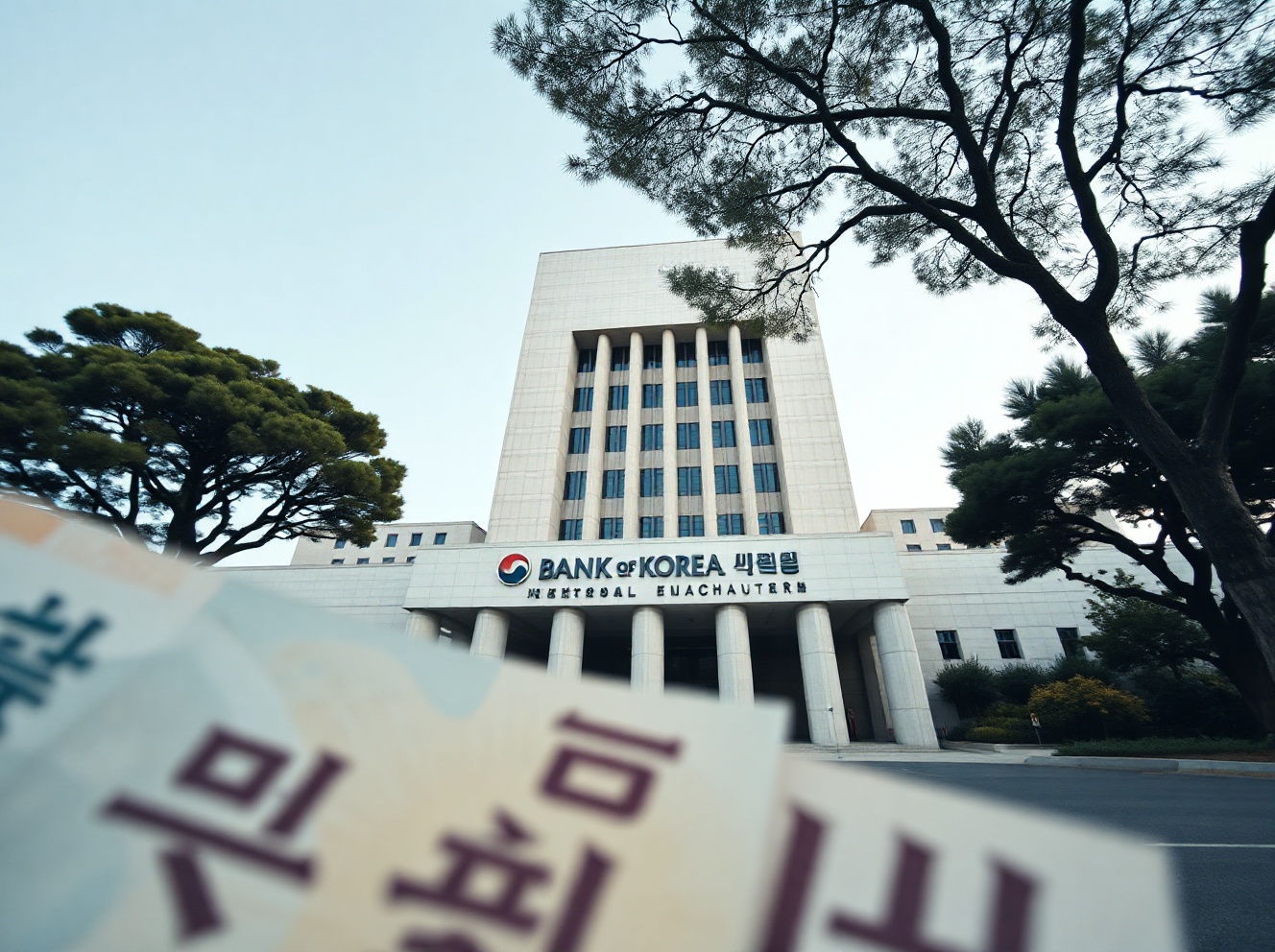
South Korea Ramps Up FX Stabilization Efforts as Won Weakens: Societe Generale
South Korean authorities are intensifying measures to stabilize the Korean won, according to a recent analysis by Societe Generale. The move comes as the currency faces sustained pressure from global macroeconomic factors, including a strong US dollar and shifting investor sentiment toward emerging markets.
Authorities Step Up FX Stabilization Push
Societe Generale’s report highlights that South Korean policymakers are deploying a range of tools to curb excessive volatility in the won. These include direct market intervention, verbal warnings, and adjustments to foreign exchange liquidity facilities. The bank’s analysts note that the government’s commitment to stabilizing the currency has become more pronounced in recent weeks, reflecting concerns over imported inflation and capital outflows.
The won has depreciated significantly against the dollar in 2025, driven by the Federal Reserve’s prolonged hawkish stance and geopolitical uncertainties. This has prompted the Bank of Korea and the Ministry of Economy and Finance to coordinate more closely on FX policy. The authorities have signaled they are prepared to act decisively to prevent disorderly market movements.
Market Implications and Investor Outlook
For investors, the stepped-up stabilization efforts suggest that the South Korean government is prioritizing currency stability over short-term market flexibility. This could reduce the risk of sharp, one-way depreciation but may also limit the won’s upside potential if global risk appetite improves.
Societe Generale’s analysis indicates that while intervention can smooth volatility, structural factors such as the trade balance and interest rate differentials will ultimately determine the won’s trajectory. The report advises market participants to monitor policy announcements closely, as further measures could include tighter capital flow management or coordinated action with other Asian central banks.
Why This Matters for Readers
The won’s performance has direct implications for South Korean exporters, consumers, and investors. A weaker won boosts export competitiveness but raises the cost of imported goods and energy, fueling inflation. For international investors, currency volatility affects returns on Korean assets, including stocks and bonds. Understanding the government’s response helps market participants anticipate future policy moves and adjust their portfolios accordingly.
Conclusion
South Korea’s intensified FX stabilization push, as analyzed by Societe Generale, underscores the delicate balance policymakers must strike between market forces and economic stability. While short-term intervention may calm nerves, the won’s medium-term outlook will depend on global monetary policy trends and domestic economic fundamentals. Investors should remain vigilant and factor in potential policy shifts when assessing exposure to Korean markets.
FAQs
Q1: Why is the South Korean won weakening?
The won has weakened primarily due to a strong US dollar, driven by the Federal Reserve’s high interest rates, as well as global risk aversion and geopolitical tensions that reduce demand for emerging market currencies.
Q2: What tools are South Korean authorities using to stabilize the won?
Authorities are using direct market intervention (selling dollars and buying won), verbal warnings to discourage speculative trading, and adjustments to foreign exchange liquidity facilities to support the currency.
Q3: How does a weaker won affect the average South Korean?
A weaker won increases the cost of imported goods, including food and energy, which can drive inflation. It also raises the cost of foreign travel and overseas education. However, it benefits exporters and companies that earn revenue in foreign currencies.
This post South Korea Ramps Up FX Stabilization Efforts as Won Weakens: Societe Generale first appeared on BitcoinWorld.


You May Also Like

Scotland Predicted Lineup vs Haiti: Starting XI, Team News & Tactical Analysis

Binance TR’s Pizza-Themed Social Media Event: Opportunity to Win a Domino’s Gift Voucher Worth 800 TL

Türkiye Predicted Lineup vs Australia: Starting XI, Team News & Tactical Analysis



