

What Bitcoin’s Price Volatility Means for Crypto Investors in 2026
Anyone who keeps a tab open on FintechZoom’s Bitcoin tracker knows the feeling. The price ticks up a few hundred dollars over breakfast, dips during a midday lull, then snaps back before the close. Those green and red candles have become a kind of ambient soundtrack for retail investors, a constant pulse running underneath the workday. Bitcoin’s volatility isn’t just a chart-watcher’s obsession, though. It increasingly shapes how people think about the rest of their crypto holdings, from Ethereum to the smaller tokens, and which corners of the digital asset world feel alive at any given moment. The same energy that makes a price chart compelling now ripples across the broader market that investors track every day.
That overlap has fueled a wave of crypto-friendly venues, and it’s worth understanding where the action actually happens. Reviewers who rank the best Bitcoin venues for 2026 evaluate them on the things that matter to someone using BTC: instant withdrawals, generous welcome bonuses, deep libraries, and serious security. A well-reviewed online crypto casino such as Lucky Rollers or Betpanda tends to earn its ranking by combining anonymous access with provably fair systems, so users can verify outcomes themselves rather than taking anyone’s word for it. For a reader who already tracks Bitcoin daily, these venues feel less like a leap and more like a natural extension of an asset they understand — a place where the coin they watch all day becomes something they can actually use.
Volatility Is the Spice, Not the Threat
For traders, volatility is simply part of the deal. A 4% swing in a single session would rattle most stock investors, but Bitcoin holders have come to expect it. That tolerance for movement changes the psychology of how the same people approach discretionary spending. When a position is up, a small slice of those gains feels like house money, and the temptation to put it toward something fun grows stronger.
This is where FintechZoom’s price coverage quietly influences behavior. A reader who sees Bitcoin breaking through a resistance level might feel a jolt of optimism that carries into the evening. The thrill of the chart and the thrill of spending start to rhyme. Both involve uncertainty, anticipation, and that quick hit of dopamine when things break your way. The difference is that one is an investment decision and the other is recreation — and savvy people keep those two buckets clearly separate, treating any money set aside for play as money they’re prepared to spend either way.
Why BTC Feels Tailor-Made for Digital Fun
Part of Bitcoin’s appeal in the entertainment space comes down to friction, or the lack of it. Moving value used to mean waiting on bank transfers, clearing windows, and fees that nibbled at every transaction. Crypto flipped that script. Funds settle in minutes, sometimes seconds, and the experience feels closer to sending a text than wiring money.
That speed matters enormously for how people spend their downtime. Nobody wants to wait three business days to enjoy a Saturday night. The technology underneath all of this is evolving quickly, too. Academic work on value creation in Web 3.0 explores how blockchains are reshaping ownership and exchange across digital spaces, and entertainment sits right at the center of that shift. When the rails are fast and borderless, the experiences built on top of them can feel instant and seamless in a way traditional finance never managed.
The FintechZoom Reader’s Double Life
Picture a fairly typical FintechZoom reader. Call her a weekend trader who spends her mornings scanning Nasdaq movers, checking gold prices, and reading up on DeFi infrastructure. She’s comfortable with risk, fluent in wallets, and unfazed by a sharp Bitcoin candle. For someone like her, the line between “investor” and “entertainment consumer” is thin and getting thinner.
When her BTC has a strong week, the celebration often happens in the same digital ecosystem where she watches the price. The coin she’s been accumulating becomes a way to enjoy a few hours of games rather than just a number on a screen. The privacy angle appeals to her, too. Anonymous access means she doesn’t have to hand over a stack of personal documents just to relax. It’s the same instinct that drew her to self-custody in the first place: keep control, minimize exposure, move on her own terms.
Where the Games Meet the Blockchain
The consumer side of crypto isn’t an afterthought for developers — it’s a genuine frontier. Game designers have figured out that the transparency of blockchain can become a selling point rather than a technicality. Provably fair systems let players audit results, which builds trust in a way old-school venues never could. Research on cryptocurrencies in the gaming industry documents how deeply digital assets have woven themselves into modern play, from in-game economies to verifiable outcomes.
This is the part that connects directly back to the price chart. Every time Bitcoin makes headlines on FintechZoom, more curious newcomers go looking for ways to use it beyond simply holding. Some buy a little more. Some try a swing trade. And a growing number explore the consumer side, drawn by the same volatility-fueled excitement that makes the markets so magnetic in the first place.
A Smarter Way to Enjoy the Ride
The healthiest mindset treats Bitcoin’s price action and crypto spending as two related but separate pleasures. One is about building wealth over time and demands patience. The other is about enjoying a few hours, and demands a firm budget set in advance. The volatility that makes the FintechZoom ticker so addictive can absolutely heighten the fun — as long as the money earmarked for play stays walled off from the money meant to grow. Understood that way, those swinging candles become exactly what they should be: a thrill to watch, and never a reason to chase.


You May Also Like

Cango Inc. Completes $65M Investment and Secures $10M Convertible Note Financing
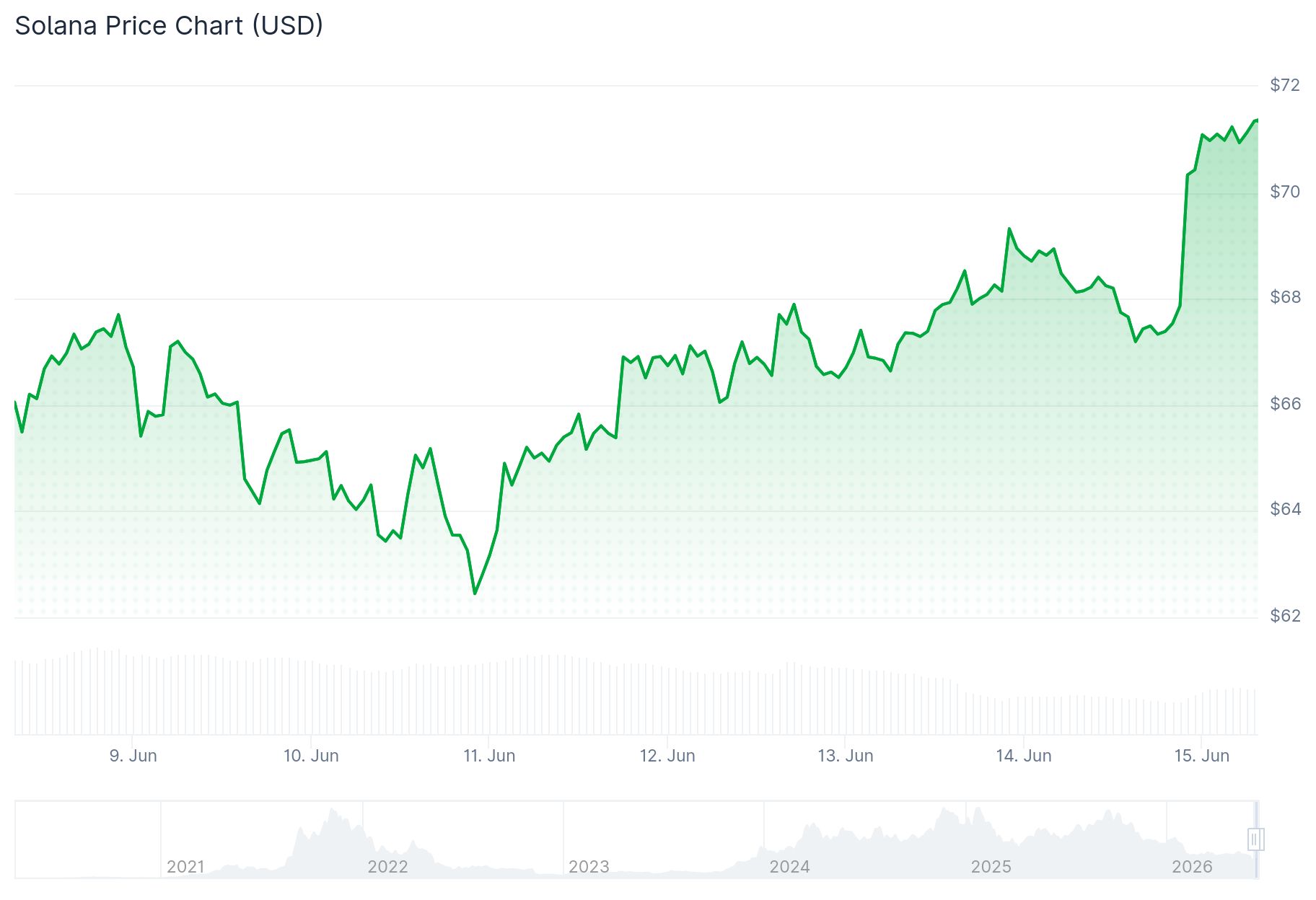
Solana (SOL) Price: SOL Flashing the Same Pattern That Started Its Last Bull Run

Western Star Resources Acquires Past-Producing Eagle Point Tungsten Mine in New Mexico, Highlighting Untested Exploration Targets



