

Strategy (MSTR) Stock: Saylor Teases Another Bitcoin Buy as CEO Defends 32 BTC Sale
TLDR
- Michael Saylor posted his “Orange Dots” chart on June 14, strongly hinting at a new Bitcoin purchase for Strategy this week.
- Strategy’s CEO Phong Le confirmed the earlier 32 BTC sale was a system test, not a sign of cash pressure.
- Strategy holds 845,256 BTC worth approximately $54.36 billion after buying 1,550 BTC for $101.3 million between June 1–7.
- Le said a forced Bitcoin sale remains an “edge case,” tied to $3.5 billion in preferred obligations due in 2028.
- Saylor introduced the CEBE BPS metric to help investors measure Bitcoin exposure after accounting for debt and preferred stock.
Michael Saylor posted his well-known “Orange Dots” chart on X on June 14, with the caption “Still adding dots.” For anyone following Strategy closely, that phrase is as close to a buying announcement as it gets.
When a follower asked if the move was “delusion or conviction,” Saylor replied with one word: “Conviction.” That exchange has the crypto market expecting another Bitcoin acquisition from Strategy this week.
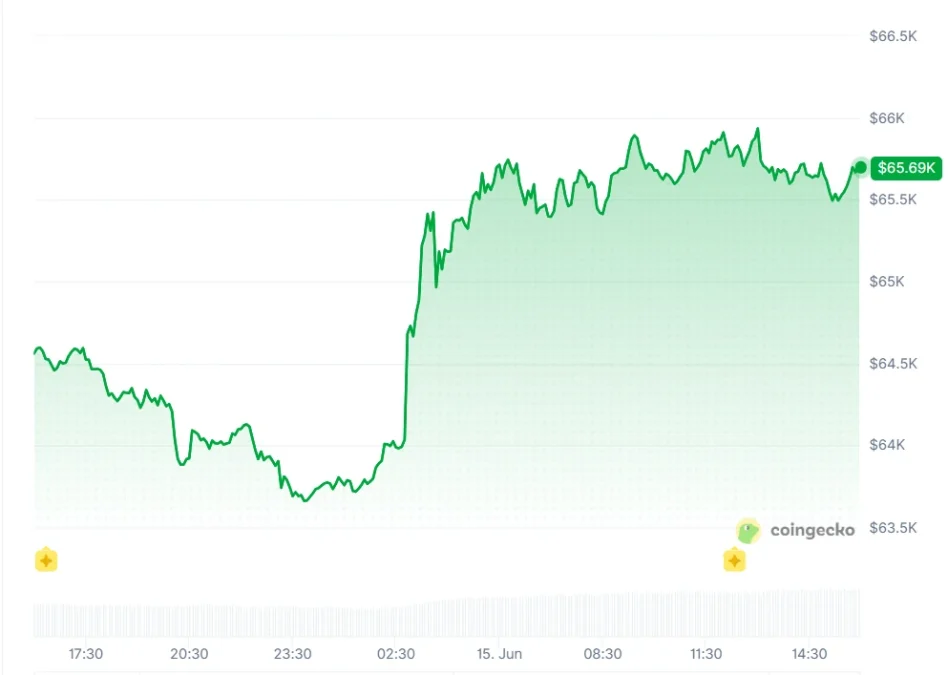
Strategy’s last purchase came between June 1 and June 7, when the company picked up 1,550 BTC for around $101.3 million at an average price of roughly $65,332 per coin. That lifted total holdings to 845,256 BTC, currently valued at about $54.36 billion.
Strategy Inc, MSTR
The company also boosted its U.S. dollar reserve to $1 billion following the deal, up $100 million from before.
Before that purchase, Strategy made a smaller, more unusual move. It sold 32 BTC between May 26 and May 31 for around $2.5 million at an average of $77,135 per coin.
That sale raised eyebrows. The SEC filing noted proceeds were expected to fund preferred stock distributions, which led some investors to wonder if the company was starting to lean on its Bitcoin stack for cash.
CEO Pushes Back on Forced Selling Fears
Strategy CEO Phong Le moved quickly to shut that narrative down. In a June 13 interview, Le said the 32 BTC sale was a process test, not a liquidity move.
He said it helped “inoculate the market” to the idea of a small Bitcoin sale and gave the company a way to check how an internal sale would actually work. He also noted it created tax losses that could offset future tax obligations.
Le was direct: Strategy still has other ways to fund capital needs, including equity issuance and preferred stock tools. A Bitcoin sale is not the default lever.
He added that the company would apply math, not ideology, to any future decision. If selling Bitcoin improves Bitcoin per share for common holders more than issuing stock would, Strategy may go that route. If not, it won’t.
When Could Strategy Actually Sell?
Le did walk through the scenario where a forced sale becomes more realistic. Strategy has about $3.5 billion in preferred obligations due in 2028. If Bitcoin loses a lot of value and the stock price stays weak, the company could sell BTC to meet those commitments.
But he called that an “edge case,” not a base case. Refinancing or converting those obligations to equity remain options.
In parallel, Saylor has been pushing a new way for investors to think about Strategy’s Bitcoin exposure. He introduced the CEBE BPS, or Common Equity Bitcoin Exposure BPS, as the conservative risk metric.
While Bitcoin Per Share tracks common equity growth, CEBE BPS accounts for debt and preferred stock claims sitting ahead of common shareholders. The gap between the two metrics can grow as Strategy adds more senior obligations to its balance sheet.
Strategy’s most recent 8-K confirmed the $1 billion cash reserve figure following the latest BTC purchase.
The post Strategy (MSTR) Stock: Saylor Teases Another Bitcoin Buy as CEO Defends 32 BTC Sale appeared first on CoinCentral.


You May Also Like

Solana Price Today: Can SOL’s $71 Bounce Survive a Bear Market?
Bitcoin Clears $65K, Is $68K The Next Stop?

Bitcoin Bounces to $65.8K as US–Iran Peace Deal Sparks Risk-On Rally



