

Bybit Card cashback EU pays 1% with zero spending limits
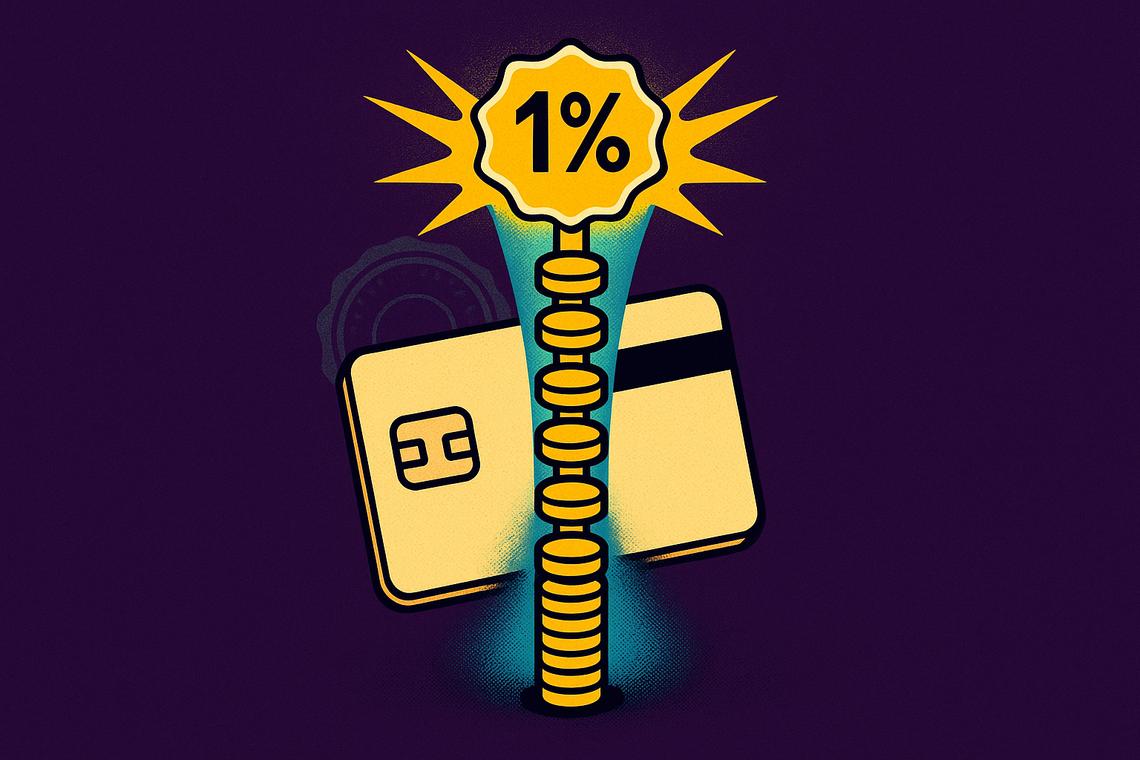
Bybit EU has introduced an unlimited cashback program tied to its Bybit Card, giving European users a straightforward way to earn rewards every time they spend — with no cap on how much they can accumulate. The move, announced on June 15, 2026, positions the Bybit EU card cashback initiative as one of the more aggressive pushes by a regulated crypto platform to make digital assets a genuine part of everyday financial life on the continent.
Key takeaways
- Bybit Card launched an unlimited cashback program for European users on June 15, 2026.
- Cardholders earn 1% cashback on every eligible purchase, with no spending limits.
- New cardholders receive a welcome bonus described as particularly advantageous.
- Bybit EU holds MiCAR authorization as a crypto-asset services operator.
- The program is designed to make cryptocurrency payments more rewarding in daily life.
Bybit Card Launches Unlimited Cashback for European Users
The headline detail is simple: 1% cashback on every eligible purchase, with no spending ceiling. For users who regularly pay with their Bybit Card, that rate compounds quietly but meaningfully over time. There is no tiered structure to navigate, no monthly cap to hit, and no minimum spend threshold mentioned — just a flat reward on eligible transactions.
Beyond the base cashback rate, new cardholders receive a welcome bonus that Bybit EU describes as particularly advantageous. The exact terms of that bonus have not been fully disclosed, but its inclusion signals that the company is actively trying to pull in first-time users rather than just rewarding existing ones.
That dual structure — ongoing cashback for loyal users plus an upfront incentive for newcomers — is a deliberate design choice. It creates two distinct reasons to adopt the card: a long-term value proposition for frequent spenders, and a short-term hook for anyone on the fence about signing up.
Why Regulatory Status Matters Here
Bybit EU operates under MiCAR authorization, making it a fully regulated crypto-asset services operator within the European Union. That distinction is not just a footnote. For European consumers, MiCAR compliance means the operator meets the EU’s Markets in Crypto-Assets regulatory framework — a relatively new but significant standard that governs how crypto platforms conduct business across member states.
Launching a consumer-facing financial product like a cashback card under that regulatory umbrella carries real weight. It signals that this is not a grey-market offering but a product backed by a platform subject to EU-level oversight. For users wary of the risks historically associated with crypto services, that clarity matters.
It also positions Bybit EU in a competitive space that is starting to attract serious regulatory attention. As MiCAR enforcement becomes more routine, operators who already hold authorization are likely to have a structural advantage over those still navigating the licensing process.
Crypto Payments Becoming More Practical in Europe
The broader ambition behind this launch goes beyond cashback percentages. Bybit EU has framed the initiative explicitly around making cryptocurrency use in daily life more convenient and rewarding. That framing reflects a wider industry push to close the gap between holding crypto and actually spending it.
For years, the friction of converting digital assets into spendable currency has slowed real-world adoption. Payment cards that bridge that gap — particularly ones that add a financial incentive on top — address a genuine friction point. A Bybit Card cashback program does not just reward spending; it subtly encourages users to integrate their crypto holdings into routine purchases rather than treating them purely as investment assets.
That shift in user behavior, if it happens at scale, has implications that extend well beyond Bybit’s own card portfolio. It points toward a model where regulated crypto platforms compete directly with traditional fintech and banking products on everyday utility — not just on trading features or yield products.
FAQ
What is the cashback rate offered by Bybit Card in Europe?
Bybit Card offers 1% unlimited cashback on every eligible purchase for European users, with no spending limits applied.
Does the Bybit Card cashback program have spending limits?
No. The cashback program is designed to be unlimited, meaning users earn rewards on eligible purchases regardless of how much they spend.
Is Bybit Card regulated in Europe?
Yes. Bybit EU is authorized under MiCAR — the EU’s Markets in Crypto-Assets regulation — as a crypto-asset services operator, meaning it operates under formal EU-level regulatory oversight.
Are there any bonuses for new Bybit Card users?
Yes. The program includes a welcome bonus for new cardholders, described by Bybit EU as particularly advantageous. Specific terms have not been fully disclosed at this stage.
Article produced with the assistance of artificial intelligence and reviewed by the editorial team.


You May Also Like

Dow Jones futures plunge as risk aversion increases after Trump’s comments

Egrag Crypto to XRP Investors: You’re Either Early Or You’re Exit Liquidity

Fed Governor Calls For Strong Stablecoin Oversight As CLARITY Act’s Final Text Gets Delayed



