

U.S. Dollar Stabilizes Amid Anticipation of Fed Chair Warsh’s Inaugural Policy Meeting
Key Highlights
- The greenback remained relatively stable near a 10-day trough as market participants awaited Federal Reserve Chair Kevin Warsh’s inaugural policy announcement.
- Interest rates are anticipated to remain unchanged, though traders are monitoring for potential signals regarding the Fed’s monetary stance.
- An interim agreement between the United States and Iran bolstered market confidence, diminishing the appeal of safe-haven assets including the dollar.
- The yen traded at 160.27 against the dollar, hovering near threshold levels that could prompt intervention from Japanese monetary officials.
- Japan’s central bank increased borrowing costs to their highest point in over three decades, though offered limited clarity on the timing of future adjustments.
On Wednesday, the American currency maintained its position near the weakest level recorded in the past ten trading sessions as market participants adopted a cautious stance prior to the Federal Reserve’s monetary policy announcement scheduled for later in the day.
The Dollar Index hovered in the 99.50 to 99.55 range, showing minimal movement following four straight sessions of decline.
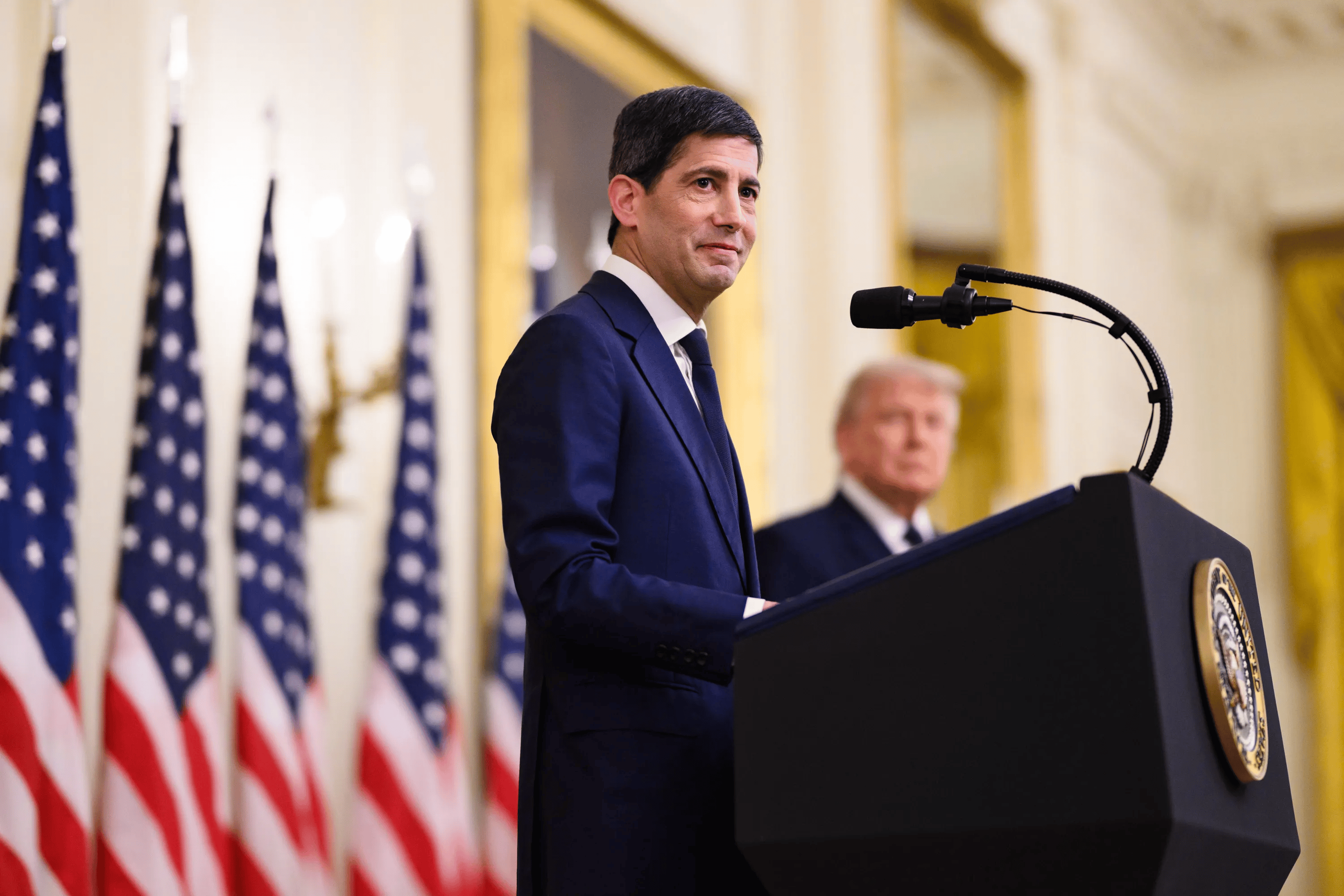
[[IMG_0]]US Dollar Index (DX-Y.NYB)Financial markets broadly anticipate no adjustment to borrowing costs at this gathering. Kevin Warsh, who assumed the role of Federal Reserve Chair in the previous month, is presiding over his inaugural policy session, with considerable attention focused on his approach to guiding the nation’s central banking institution.
Currency strategists at ING noted that dollar performance is increasingly tied to anticipations of Federal Reserve policy tightening. They cautioned that any deviation from current market expectations in Warsh’s messaging could trigger significant downward pressure on the greenback.
Market sentiment overall displayed greater stability than typical patterns. An interim diplomatic agreement between Washington and Tehran, unveiled earlier in the week, weakened demand for defensive currency positions such as the dollar.
The diplomatic framework allows Iran to restart petroleum exports while pausing its nuclear development activities for a 60-day period as diplomatic discussions advance. The arrangement also potentially facilitates renewed maritime traffic through the Strait of Hormuz.
Brent crude dropped beneath the $80 per barrel threshold in response to these developments, further diminishing safe-haven currency appeal.
Japanese Currency Approaches Critical Level as Central Bank Provides Limited Forward Guidance
The Japanese currency remained under pressure at 160.27 versus the dollar, a threshold that market observers identify as a critical point where Japanese financial authorities might intervene to bolster the yen.
The Bank of Japan elevated its benchmark rate to 1% during Tuesday’s session—marking the most aggressive monetary policy position in 31 years—as policymakers continue efforts to manage inflationary pressures stemming from energy market volatility connected to Middle Eastern geopolitical tensions.
Notably, the yen failed to appreciate despite the rate adjustment. Market analysts attribute this muted response to the central bank’s lack of specificity regarding the timeline for subsequent rate modifications.
Jane Foley, who serves as senior foreign exchange strategist at Rabobank, observed that the Japanese central bank’s action remained secondary to the Federal Reserve meeting in terms of market focus. Currency traders are seeking more definitive guidance before adjusting yen positions substantially.
Australia’s central bank maintained its benchmark rate at 4.35% while signaling potential for additional tightening should inflationary pressures persist. The Australian currency changed hands near $0.7063.
The European common currency held steady at $1.1613 while sterling showed minimal movement at $1.3431.
Erik Weisman from MFS Investment Management suggested that Warsh may be working to establish internal Federal Reserve alignment before articulating definitive policy direction publicly.
The substance and tone of Warsh’s maiden press briefing will likely establish the trajectory for dollar movements in coming weeks.
The post U.S. Dollar Stabilizes Amid Anticipation of Fed Chair Warsh’s Inaugural Policy Meeting appeared first on Blockonomi.


You May Also Like

Blue Sage Solutions Expands Embedded AI Capabilities Across the Mortgage Lifecycle
Defying Trump’s Hopes of a Rate Cut, Warsh Holds Rates Steady at 3.75%

How Much Ripple (XRP) Do You Need to Become a Millionaire? A Top Analyst Perspective


Trending News
More24/7 Live News
MoreQuick Reads
More
