

Trump Warns Iran Deal Is Not Final, Threatens Renewed Military Action
The remarks have intensified global attention surrounding the fragile diplomatic discussions reportedly taking place between Washington and Tehran at a time of rising geopolitical instability across the Middle East.
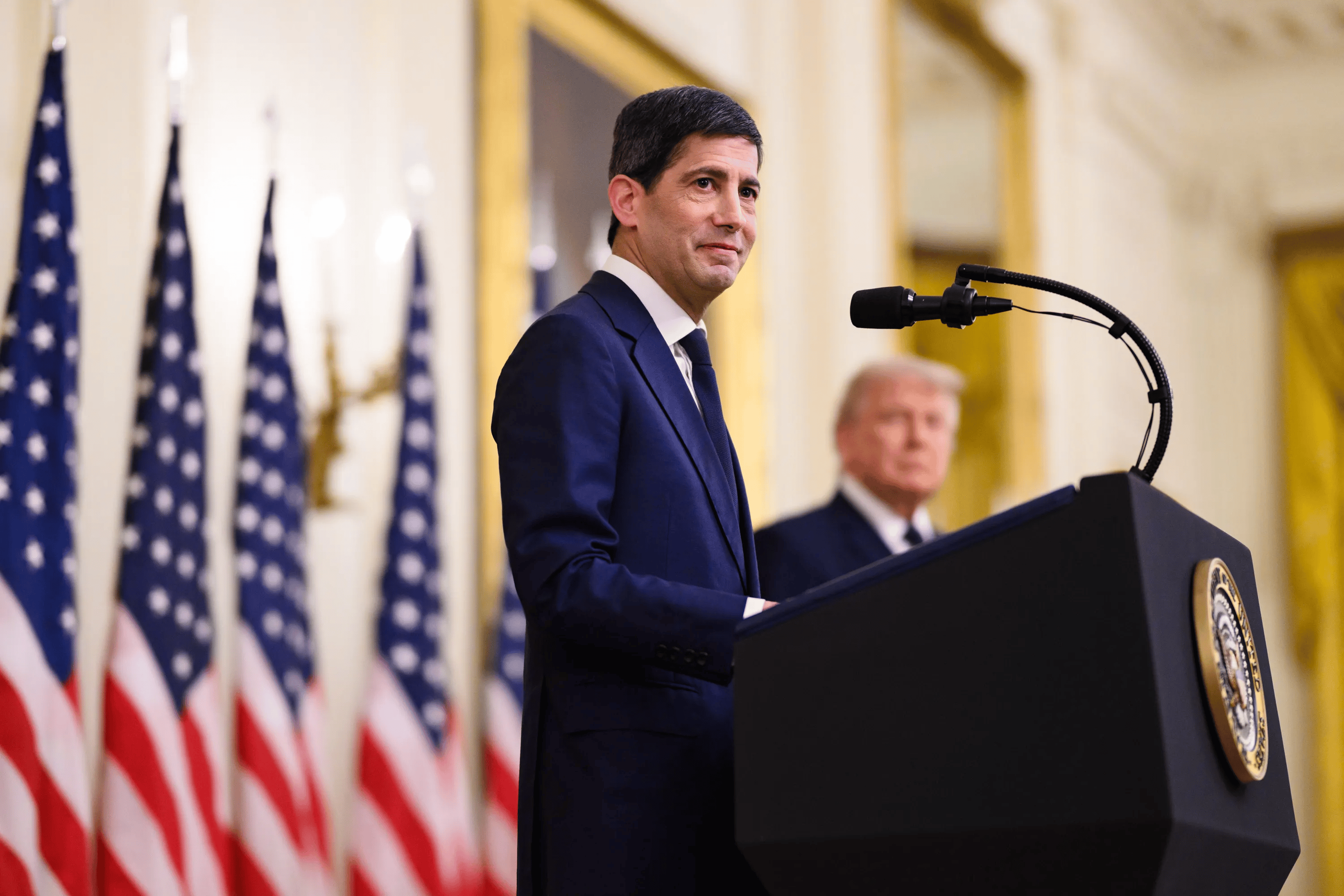
Speaking about the developing situation, Trump reportedly stated that the agreement remains conditional and subject to approval depending on the final terms presented by Iran.
“If I don’t like the agreement, we will strike again,” Trump said in comments that quickly spread across international political and financial communities.
He also reportedly warned that the United States could return to direct military operations if negotiations collapse, adding, “We will go back to shooting at them, dropping bombs.”
The comments immediately sparked reactions from geopolitical analysts, energy traders, and diplomatic observers concerned that renewed threats of military escalation could destabilize an already volatile region.
The statements were also discussed widely across social media platforms and online financial communities. Information regarding Trump’s remarks was additionally referenced by the X account Coin Bureau, contributing to broader international attention surrounding the issue.
Rising Uncertainty Over US-Iran Negotiations
Trump’s warning arrives amid increasing uncertainty over the status of a reported memorandum of understanding involving the United States and Iran.
Although details of the alleged agreement remain unclear, reports circulating among geopolitical analysts suggest the discussions may involve regional security issues, maritime tensions, and broader efforts aimed at reducing military escalation across the Middle East.
However, public statements from both sides have revealed significant contradictions regarding what has actually been agreed upon.
Analysts from the Institute for the Study of War previously highlighted inconsistencies involving the Strait of Hormuz, regional conflict dynamics, and the role of Iranian-backed groups such as Hezbollah.
Trump’s latest remarks now add another layer of uncertainty to the diplomatic situation.
By publicly emphasizing that the agreement is “not final,” Trump appears to be signaling skepticism regarding Iran’s willingness to comply with long-term security expectations.
Political analysts say the statements could also reflect broader divisions within American political circles regarding how Washington should approach negotiations with Tehran.
Concerns Grow Over Potential Military Escalation
The possibility of renewed military confrontation between the United States and Iran remains one of the most closely monitored geopolitical risks in global markets.
Over the past several years, tensions between the two countries have repeatedly escalated through military incidents, sanctions, cyber operations, and proxy conflicts across the Middle East.
Trump’s comments have revived concerns that diplomacy could quickly deteriorate if negotiations fail to produce mutually acceptable outcomes.
Security experts warn that even rhetorical threats can significantly impact regional stability, especially when military forces remain active across multiple conflict zones.
The Middle East currently faces heightened tensions involving Israel, Hezbollah, Iranian regional allies, and US military assets stationed throughout the Gulf region.
Analysts say any direct military exchange involving Washington and Tehran could rapidly expand beyond bilateral conflict and affect several neighboring countries.
Global Oil Markets React to Regional Risks
Financial markets are watching developments carefully due to the Middle East’s central role in global energy supply chains.
The Strait of Hormuz remains one of the world’s most important oil transit routes, with a substantial percentage of global crude exports passing through the narrow waterway each day.
Any indication of military escalation involving Iran immediately raises concerns regarding shipping security and energy market stability.
Oil prices have historically reacted sharply to tensions involving Tehran, particularly when threats involve maritime trade routes or military activity near the Gulf.
Market analysts say Trump’s remarks could contribute to renewed volatility if investors begin pricing in higher geopolitical risk premiums.
Shipping companies, insurers, and commodity traders are also monitoring the situation closely as uncertainty surrounding negotiations continues to grow.
Even without direct conflict, aggressive rhetoric from major political figures can influence investor sentiment and market behavior.
Trump Maintains Hardline Position on Iran
Throughout his political career, Trump has consistently maintained a hardline stance toward Iran.
During his presidency, the United States withdrew from the Joint Comprehensive Plan of Action (JCPOA), commonly known as the Iran nuclear deal, arguing that the agreement failed to adequately address Tehran’s regional influence and missile development programs.
The withdrawal led to the reimposition of extensive economic sanctions against Iran and triggered a prolonged period of escalating tensions.
Several major incidents occurred during that time, including attacks on oil infrastructure, maritime confrontations, and military operations involving Iranian commanders and allied regional groups.
Trump’s latest comments suggest he continues favoring a pressure-based strategy toward Tehran rather than a purely diplomatic approach.
Political observers note that his remarks may resonate strongly among supporters who favor aggressive foreign policy measures designed to deter Iranian influence across the Middle East.
Critics, however, warn that escalating rhetoric risks undermining ongoing diplomatic efforts and increasing the possibility of miscalculation.
Iran Yet to Fully Respond
Iranian officials have not yet issued a comprehensive response to Trump’s latest remarks, though Tehran has historically condemned threats of military action from Washington.
Iranian leaders have repeatedly insisted that the country will defend its sovereignty and regional interests against external pressure.
At the same time, Tehran continues facing major economic challenges linked to international sanctions and prolonged geopolitical isolation.
Some analysts believe Iran may still pursue limited diplomatic engagement if it sees opportunities for economic relief or regional de-escalation.
Others argue that aggressive public threats from American political figures could strengthen hardline factions inside Iran who oppose negotiations with the United States altogether.
The absence of clear public details regarding the reported memorandum has further complicated international understanding of the situation.
Without official confirmation from both governments, uncertainty continues dominating discussions surrounding the true scope of the negotiations.
 |
| Source: Xpost |
International Community Calls for Stability
Several international observers and diplomatic analysts have urged caution as tensions continue rising.
Global powers including European nations and Gulf states remain concerned that renewed conflict between the United States and Iran could destabilize energy markets, disrupt shipping routes, and worsen security conditions across the region.
The international community has repeatedly encouraged both sides to prioritize diplomatic engagement over military escalation.
Analysts note that modern geopolitical conflicts often carry significant economic consequences extending far beyond regional borders.
Any major disruption involving the Middle East could affect oil prices, global inflation, supply chains, and financial market confidence worldwide.
As a result, governments and investors alike continue monitoring developments surrounding the reported memorandum closely.
Political Implications Ahead of US Elections
Trump’s remarks may also carry domestic political implications as the United States moves deeper into a highly polarized political environment.
Foreign policy remains a central issue in American politics, particularly regarding national security and Middle East strategy.
By taking a strong public stance against Iran, Trump may be attempting to reinforce his image as a leader willing to use military pressure to protect American interests.
Supporters often argue that strong deterrence reduces the likelihood of long-term conflict by discouraging adversaries from challenging US influence.
Critics, however, contend that confrontational rhetoric can increase instability and complicate diplomatic solutions.
Political analysts believe discussions surrounding Iran could remain a major topic throughout upcoming US political debates and campaign messaging.
Analysts Warn Situation Remains Fragile
Security experts continue warning that the broader geopolitical environment remains highly fragile.
Conflicting public statements, unclear diplomatic terms, and ongoing regional military tensions all contribute to a volatile situation that could shift rapidly depending on future developments.
Analysts say the reported memorandum may represent only a temporary effort to prevent immediate escalation rather than a comprehensive long-term agreement.
If negotiations fail or regional violence intensifies, the possibility of renewed confrontation could increase significantly.
For now, uncertainty continues dominating both diplomatic and financial discussions surrounding the future relationship between Washington and Tehran.
As world leaders monitor the situation closely, Trump’s latest remarks have added fresh pressure to an already tense geopolitical landscape.
Whether diplomacy ultimately succeeds or tensions escalate further may depend on the coming weeks of negotiations and regional developments.
hoka.news – Not Just Crypto News. It’s Crypto Culture.
Writer @Victoria
Victoria Hale is a writer focused on blockchain and digital technology. She is known for her ability to simplify complex technological developments into content that is clear, easy to understand, and engaging to read.
Through her writing, Victoria covers the latest trends, innovations, and developments in the digital ecosystem, as well as their impact on the future of finance and technology. She also explores how new technologies are changing the way people interact in the digital world.
Her writing style is simple, informative, and focused on providing readers with a clear understanding of the rapidly evolving world of technology.
Disclaimer:
The articles on HOKA.NEWS are here to keep you updated on the latest buzz in crypto, tech, and beyond—but they’re not financial advice. We’re sharing info, trends, and insights, not telling you to buy, sell, or invest. Always do your own homework before making any money moves.
HOKA.NEWS isn’t responsible for any losses, gains, or chaos that might happen if you act on what you read here. Investment decisions should come from your own research—and, ideally, guidance from a qualified financial advisor. Remember: crypto and tech move fast, info changes in a blink, and while we aim for accuracy, we can’t promise it’s 100% complete or up-to-date.
Stay curious, stay safe, and enjoy the ride! hokanews.com


You May Also Like

Blue Sage Solutions Expands Embedded AI Capabilities Across the Mortgage Lifecycle
Defying Trump’s Hopes of a Rate Cut, Warsh Holds Rates Steady at 3.75%

How Much Ripple (XRP) Do You Need to Become a Millionaire? A Top Analyst Perspective



