

The Slowtech Revolution: Why People Are Ditching Smartphones for iPods and Flip Phones
BitcoinWorld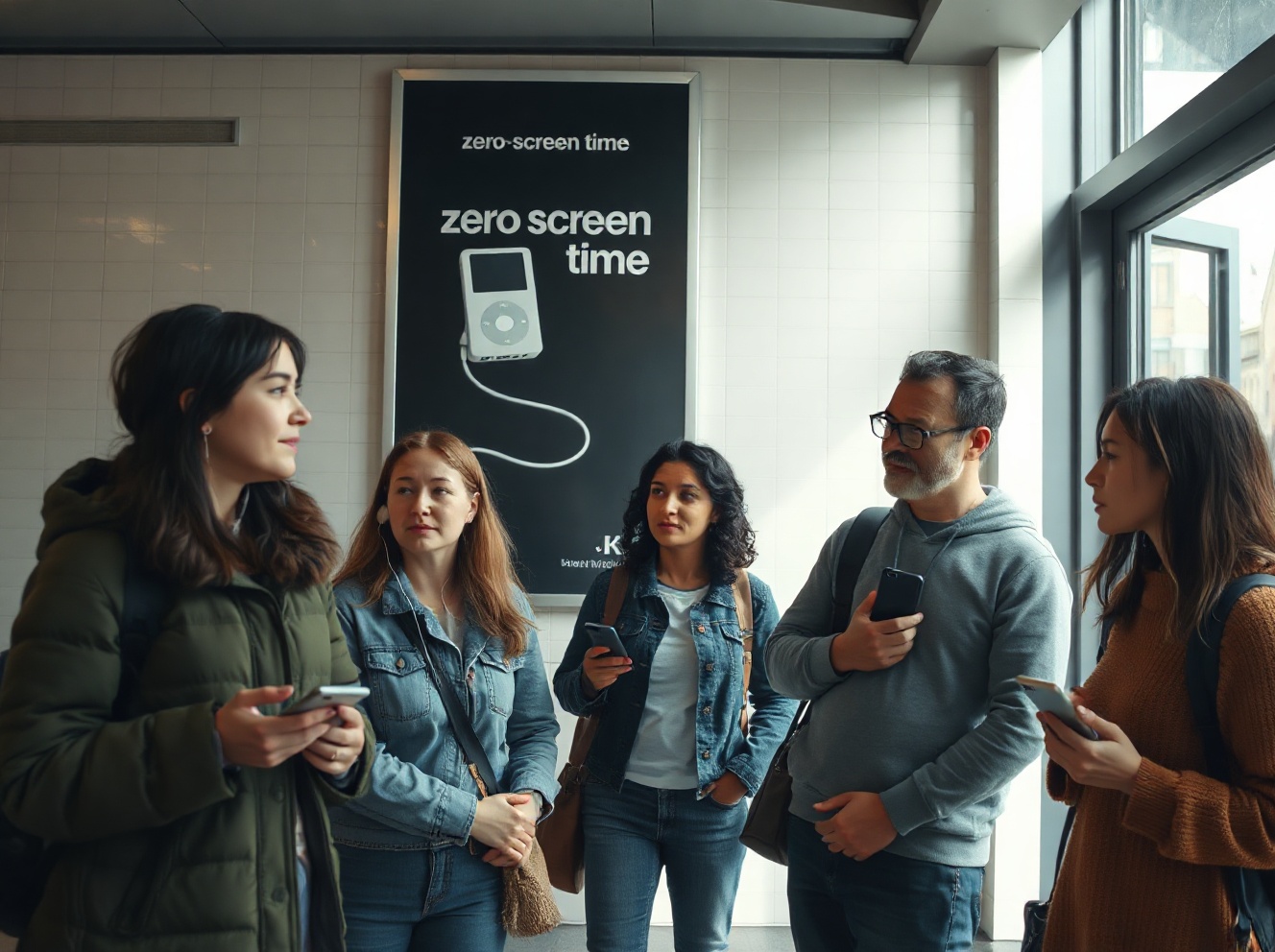
The Slowtech Revolution: Why People Are Ditching Smartphones for iPods and Flip Phones
When Tony Fadell, the inventor of the iPod, saw a poster for his own creation in a New York City subway station, he was taken aback. The ad, placed by refurbished electronics marketplace Back Market, promoted the iPod Shuffle with the tagline ‘zero screen time.’ For Fadell, it was a surreal reminder of a device he helped design over two decades ago. But for a growing number of consumers, the iPod Shuffle and similar retro tech represent something more: a deliberate escape from the always-on, attention-hijacking ecosystem of modern smartphones.
The Rise of Slowtech
Back Market’s CMO Joy Howard calls this movement ‘slowtech’ — a conscious pushback against the frictionless, algorithm-driven design of today’s devices. ‘People are very oversaturated and overstimulated, and they really want to have a more mindful approach to what they’re doing with their tech,’ Howard told Bitcoin World. The demand is real enough that Back Market invested in premium subway advertising for a product that, by modern standards, is functionally limited. The iPod Shuffle offers no streaming, no apps, and no notifications — only shuffled playback of your own music library. That limitation, once seen as a flaw, is now a feature.
Friction as a Feature
Younger generations, who grew up with smartphones and social media, are increasingly drawn to devices that don’t demand their constant attention. Wired headphones, retro gaming consoles, CDs, and digital point-and-shoot cameras are experiencing a revival. These devices cannot upload photos to Instagram, bombard users with gambling ads, or algorithmically curate playlists. They simply work — and then they stop. Howard describes this as a shift in perspective: ‘People are seeing friction as a way to create boundaries for themselves.’
Why Consumers Are Rejecting ‘Fast Tech’
The fatigue is measurable. According to a recent survey, about 53% of American adults say they want to reduce their screen time. Austin Murray, a former mobile gaming executive who co-founded JAMDAT, now builds MOQA, a screen time reduction app. ‘When everyone is doing the same thing — average screen time is like five hours on a phone every day — it’s not a willpower problem. It’s a product design problem,’ Murray told Bitcoin World. Writer Calvin Kasulke, author of ‘Several People Are Typing,’ pays for two separate apps to limit his social media use. ‘I don’t think screens are inherently bad,’ he said. ‘I just think the way I was using [my phone] was worse and dumb.’
Dumb Phones and Minimalist Alternatives
Some consumers are going further, swapping iPhones for flip phones, e-ink Android devices, or minimalist hardware like the Light Phone. Light co-founder Kaiwei Tang noted that many of their customers are between 20 and 35 years old. ‘They tell us how they feel more free after switching to the Light Phone,’ he said. However, Murray warns that fully abandoning smartphones is impractical for most people, given that banking, travel, and even hotel check-ins now assume smartphone access.
Screenless Wearables and AI Paradoxes
Spending on fitness trackers without screens, like the Oura ring and Whoop wristband, grew 88% year-over-year in the U.S., according to market research firm Circana. These devices reduce screen interaction but still require a smartphone to view data. Meanwhile, AI-powered tools like the Mark bookmark aim to reduce phone usage by capturing notes without unlocking a device. While some see irony in using AI to combat tech addiction, Howard believes the goal is control. ‘People want tools to serve them, not dominate them,’ she said.
Conclusion
The slowtech movement is not about rejecting technology entirely. It is about reclaiming agency over how and when we engage with digital devices. From retro iPods to screenless wearables and minimalist phones, consumers are seeking products that respect their attention rather than exploit it. As Fadell put it: ‘We need less screens, not more of them.’
FAQs
Q1: What is the slowtech movement?
A: Slowtech is a consumer trend that prioritizes mindful, intentional technology use. It involves choosing devices and tools that reduce screen time, minimize notifications, and limit algorithmic engagement — often by embracing older or simpler hardware like iPods, flip phones, or e-ink readers.
Q2: Why are people returning to old devices like the iPod Shuffle?
A: Many users find that older devices offer a friction-rich experience that naturally limits usage. Without apps, notifications, or streaming, these devices encourage focused activities like listening to music without distraction, which helps reduce overall screen time and mental fatigue.
Q3: Are dumb phones practical for everyday use?
A: Dumb phones and minimalist devices like the Light Phone can work for basic communication but may lack support for modern necessities such as mobile banking, navigation, and app-based services. Many users keep a smartphone for essential tasks while using a simpler device for daily life.
This post The Slowtech Revolution: Why People Are Ditching Smartphones for iPods and Flip Phones first appeared on BitcoinWorld.


You May Also Like

3 Beaten-Down Stocks That Could Roar Back in June

First Iranian Oil Moves Past US Blockade Ahead Of Deal Signing

3 Stocks That Have Made Long-Term Investors Rich (and Could Do It Again)



