

Apple price increase from memory costs: MacBook up $400, iPhone 18 next
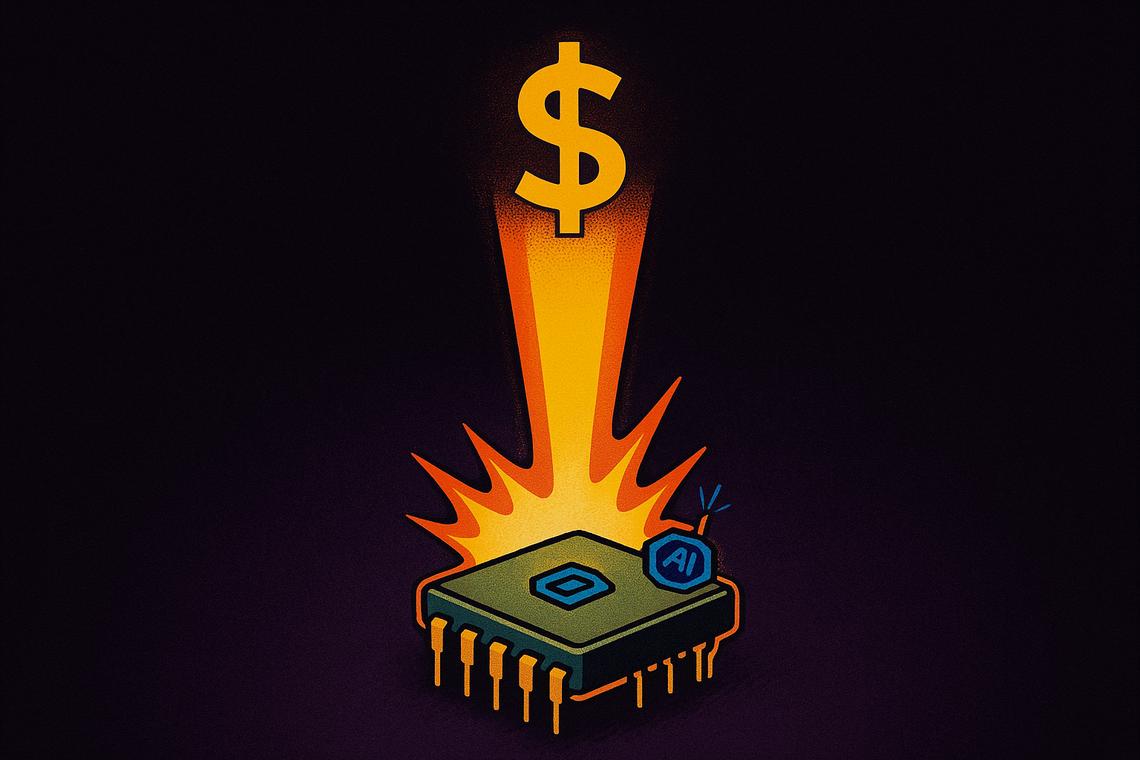
Tim Cook has a blunt message for Apple customers: price increases are coming, and there is nothing the company can do to stop them. The Apple price increase driven by memory chip costs is no longer a quiet internal adjustment — it is now a publicly acknowledged reality, with Cook telling The Wall Street Journal that the situation has become “unsustainable.”
Key takeaways
- Apple CEO Tim Cook confirmed price increases are “unavoidable” due to surging memory chip costs driven by AI demand.
- MacBook Pro prices have already risen by up to $400 in early 2026; Mac Mini starting prices increased by around $200.
- The iPhone 18 is projected by analyst Dan Ives to cost $100 to $150 more than its predecessor, though Apple has not confirmed this.
- Memory chip prices have more than doubled since October 2025, with the global shortage intensifying through late 2025 and into 2026.
- Apple’s gross margins hover around 45% and face pressure as new quarterly supply contracts take effect in Q2 2026.
Apple raises product prices amid rising memory chip costs
The numbers already visible in Apple’s lineup tell the story clearly. MacBook Pro prices jumped by up to $400 as of early 2026. The entry-level Mac Mini saw its starting price rise by roughly $200. These are not minor rounding adjustments — they are meaningful shifts for consumers who have grown used to Apple holding its price points relatively stable across product cycles.
Cook did not specify which additional products will be affected or exactly when further increases will hit, but he was unusually candid about the underlying pressure. “We’re doing our best to mitigate the huge increases that are being passed to us, and we’ve been trying to shield our customers from the increases, but the situation has become unsustainable,” he told the WSJ. “There’s less supply at a time when consumers want devices and the memory guys are passing along huge price increases.”
That kind of public admission from a sitting Apple CEO is rare. It signals that the company has exhausted much of its ability to absorb costs internally — and that consumers are next in line to feel it.
MacBook Pro and Mac Mini price increases
Mac products have taken the hardest hit for a straightforward reason: professional laptops and desktops use significantly more RAM than smartphones, making them far more exposed to memory cost inflation. When the price of a component doubles, the impact on a machine that relies heavily on it compounds quickly.
The Mac Mini increase of around $200 is particularly notable because the entry-level Mini has historically been Apple’s most accessible desktop option. Raising that floor price narrows the gateway for budget-conscious buyers entering the Apple ecosystem.
Projected iPhone 18 price hike
The bigger question hanging over Apple’s product calendar is what happens to the iPhone 18, expected to launch in September. Analyst Dan Ives has projected a price increase of $100 to $150 compared to the iPhone 17, driven by rising component costs tied to AI demand. Apple has not confirmed any pricing changes for its phone lineup, and it is worth noting this remains an analyst projection rather than official company guidance.
Still, the iPhone 17 has been Apple’s strongest-selling device in recent memory. Sales of Apple devices grew 17% in the first three months of 2026 compared to the same period a year earlier, with strong demand in China contributing meaningfully to that figure. A significant price increase on the iPhone 18 would test whether that momentum holds.
Memory chip shortages driven by AI demand reshape supply
The root cause is not complicated, but the scale of it is hard to overstate. The global memory chip shortage intensified sharply in late 2025 and has carried into 2026, driven by one force above all others: the AI infrastructure buildout.
Data centers powering large AI models require enormous volumes of high-bandwidth memory — a premium, high-margin product that chipmakers naturally prioritize. That pivot toward AI customers has squeezed supply for everything else. The price of RAM, typically one of the cheapest computer components, has more than doubled since October 2025.
Adding further pressure, the war in Iran has disrupted the global supply of helium — a gas critical in semiconductor manufacturing — pushing chip production costs even higher.
Chipmakers prioritize AI data center memory
The three dominant memory suppliers — Samsung, SK Hynix, and Micron — are all making rational business decisions by directing capacity toward high-bandwidth memory for data center clients. Those contracts are more lucrative than supplying LPDDR chips for consumer electronics. The consequence for companies like Apple is reduced supply and sharply higher prices on the components they need most.
Samsung had already flagged earlier this year that it expects memory chip supply shortages to raise the prices of electronic devices broadly. Apple is not alone in feeling this — but given the scale of its product volumes, the impact is particularly visible.
Capacity expansion plans and challenges
Samsung, SK Hynix, and Micron are all investing in new fabrication capacity, but that is a slow remedy. New chip plants take years to come online, meaning the current supply-demand imbalance will not resolve quickly regardless of how much capital chipmakers commit today. For Apple and other consumer electronics manufacturers, relief is not on the near-term horizon.
Apple’s strategic response and financial outlook
Apple has historically used its massive purchasing scale to lock in favorable long-term supply agreements. That approach has worked well in stable markets, but the entire memory supply chain is now being restructured around AI priorities — which changes the negotiating dynamic considerably.
As existing supplier contracts expire, Apple is negotiating new quarterly memory chip agreements set to take effect in Q2 2026. Quarterly contracts, rather than longer-term deals, give Apple more flexibility to adjust as market conditions shift, but they also mean less price predictability and greater exposure to spot market volatility.
Potential impact on Apple’s gross margins
The financial stakes are significant. Apple’s gross margins have hovered around 45% in recent quarters — an unusually high figure for a hardware company and a key reason the stock has commanded a premium valuation. Those margins are now directly in the crosshairs as new supply contracts take effect.
The company faces a difficult balancing act. Passing costs to consumers through higher prices protects margins but risks dampening demand, particularly in price-sensitive markets. Absorbing costs preserves volume but compresses profitability. Neither option is clean, and the outcome will depend heavily on how aggressively chipmakers push through further increases in the new contract cycle.
It is also worth noting that Cook is set to be replaced as Apple CEO by John Ternus in September, after 15 years in the role. His successor will inherit this supply chain challenge at a moment when Apple’s pricing strategy is under more scrutiny than it has been in years. How Ternus navigates the memory market — and whether he can renegotiate more favorable terms as AI chip demand eventually stabilizes — may define the company’s margin story for the next product generation.
FAQ
Why is Apple raising prices on its products?
Apple is raising prices because memory chip costs have surged due to overwhelming demand from AI data centers. Chipmakers are prioritizing high-bandwidth memory for AI infrastructure, reducing supply for consumer electronics and driving up costs. CEO Tim Cook described the situation as “unsustainable” and said price increases are “unavoidable.”
Which Apple products have seen price increases due to memory chip costs?
MacBook Pro prices have increased by up to $400 as of early 2026, and the entry-level Mac Mini starting price rose by around $200. Mac products have been hit hardest because they use significantly more RAM than phones. The iPhone 18 is projected by analyst Dan Ives to cost $100 to $150 more than its predecessor, but Apple has not officially confirmed any phone pricing changes.
How are memory chip shortages affecting the tech industry beyond Apple?
The shortage is industry-wide. Chipmakers Samsung, SK Hynix, and Micron are redirecting supply toward high-bandwidth memory for AI data centers, which reduces availability for consumer electronics broadly. The price of RAM has more than doubled since October 2025. Samsung has already warned that memory chip shortages will raise prices of electronic devices across the market.
What is Apple doing to address memory chip supply challenges?
Apple is negotiating new quarterly memory chip contracts set to take effect in Q2 2026 as its existing agreements expire. Quarterly contracts offer more flexibility than long-term deals, though they also expose Apple to greater price variability as market conditions continue to shift.
Article produced with the assistance of artificial intelligence and reviewed by the editorial team.


You May Also Like

Government regulations add nearly $132K to cost of new home, builders say

Could You Retire On Florida’s Space Coast And Watch Rocket Launches From Your Backyard?

Franklin Templeton CEO Dismisses 50bps Rate Cut Ahead FOMC



