

Tioman Island Guide 2026: 24 Best Things to Do & Beaches
The forgotten paradise that’s a half-day from Singapore
TIME magazine called Tioman one of the world’s most beautiful islands back in the 1970s, and it’s long been credited as the stand-in for the mythical Bali Hai in the 1958 film South Pacific. Then everyone forgot about it. That’s the good news. You get clear water, baby reef sharks off the jetty and jungle-covered mountains, without the Bali-sized crowds.
| Highlights | Details |
|---|---|
| Getting there from Singapore | Bus to Mersing or Tanjung Gemok jetty (~2.5 hours), then ferry (~1.5–2 hours) |
| Marine Park fee | 30 MYR (~S$10) per adult, 15 MYR (~S$5) per child (non-Malaysian rate), cash at the jetty |
| Best time to go | March to October; the island largely closes for the monsoon around November to February |
| How long to stay | At least 2 nights, 3 if you want to dive and island-hop |
| Rough budget | From around S$575 for 3 days, 2 nights (2 adults + 1 child) |
| Pay with | YouTrip card for cards-accepted spots, plus ringgit cash for the rest |
Things to Do in Tioman at a Glance
Tioman is split into a handful of beach villages, and which one you pick decides your whole trip. Here’s the quick shortlist before we go deep.
| Beach / village | Best for | Vibe |
|---|---|---|
| Salang | Easy snorkelling + a bit of nightlife | Lively backpacker hub |
| ABC (Air Batang) | Travellers, walkable cafés | Busy but cheap |
| Tekek | Arrivals, ATM, duty-free | Main hub, less pretty |
| Juara | Quiet, surf, sunrise | Remote and slow |
| Paya & Genting | Resorts and families | Package-holiday side |
| Mukut & Nipah | Total escape, scenery | Most secluded |
Table of Contents
- Is Tioman Island Worth Visiting?
- How to Get to Tioman Island From Singapore
- Best Time to Visit Tioman (and When It Closes)
- How Many Days Do You Need in Tioman?
- Best Things to Do in Tioman
- What to Do in Tioman at Night
- Where (and What) to Eat in Tioman
- Where to Stay: Tioman’s Beaches and Villages Explained
- Is Tioman Expensive? A Singapore Traveller’s Budget
- Pay Smart on Your Tioman Trip
- Tioman FAQ
- Worth the ferry, every time
Is Tioman Island Worth Visiting?
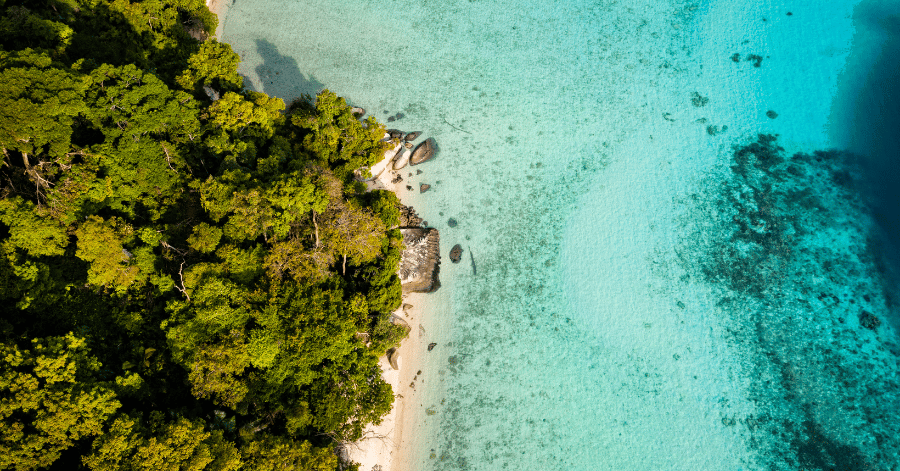
Yes, if you want a proper island reset rather than a packed itinerary. Tioman trades nightlife and shopping for clear water, healthy coral, and a jungle interior most visitors never touch.
It sits about 32 km off the east coast of Pahang, roughly 39 km long and densely forested, ringed by reefs that are still in good shape compared with a lot of Southeast Asia. The whole place is a gazetted Marine Park, so snorkelling and diving will be the highlights of your trip.
But the thing most travellers get confused by is the lack of crowds. One vlogger with a beach to himself summed it up: “Can’t believe more people don’t talk about Tioman, it has the clearest water of anywhere I’ve ever been.”
What you actually get at Tioman Island:
- Reef life you can see without a boat: turtles, reef sharks, parrotfish, often straight off the beach
- A real jungle: waterfalls, a 1,038 m peak, and the dramatic Dragon’s Horns rock towers
- Duty-free status: Tioman is one of the few duty-free islands in Malaysia, so drinks and snacks are cheap
- Genuine quiet: outside Salang and ABC, most beaches are barely developed
Skip it if you need buzzing nightlife, big shopping or guaranteed five-star polish everywhere. Come for the water and the slow days.
 Related Guide: Want another Malaysian sea-and-jungle escape with more on land to do? Our Kota Kinabalu travel guide covers Borneo’s islands, markets and Mount Kinabalu.
How to Get to Tioman Island From Singapore
You get to Tioman by road to a mainland jetty, then a ferry across. There’s no direct route from Singapore, and you can’t fly in anymore, so plan the legs in order.
By bus and ferry (the usual route)
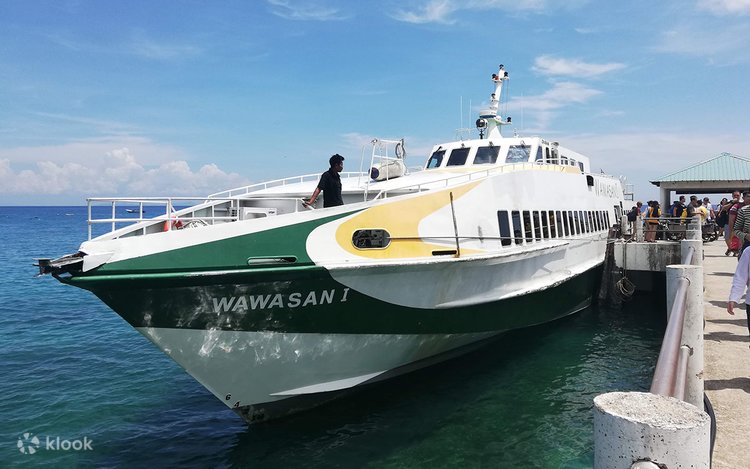
Image Credits: Klook
This is how most Singaporeans do it, and it’s the cheapest.
- Step 1: Get to the jetty. Take a coach from Singapore (operators like KKKL run direct to Mersing and Tanjung Gemok), or bus to JB’s Larkin Terminal first and change there. The Larkin to Mersing leg is about 2.5 hours, sometimes a little more.
- Step 2: Catch the ferry. From Mersing or Tanjung Gemok (Teluk Gading) jetty, the ferry to Tioman takes about 1.5 to 2 hours. One-way tickets run roughly 60–85 MYR (~S$19–27) for adults.
- Step 3: Get off at the right stop. The ferry calls at several jetties (Genting, Paya, Tekek, ABC, Salang). Your resort will tell you which one. Get off at the wrong village, and you’ll need to hire a sea taxi to fix it.
 Pro tip: Two ferry operators run the crossing, Bluewater and Cata Ferry. One traveller flagged that Bluewater charges non-Malaysians a higher rate while Cata Ferry didn’t ask nationality and worked out cheaper. Compare both before you book, and book the ferry first, then your hotel and bus around its limited timings.
Driving to the jetty
You can drive up and leave the car at the jetty. Both Mersing and Tanjung Gemok have open-air long-term car parks charged by the day. They fill up fast on long weekends and school holidays, so arrive early or pre-book a spot.
Can you fly to Tioman?
Not right now. Tioman has a small airstrip at Tekek, but SKS Airways, the last airline on the route, ceased operations in January 2025, so there are no scheduled commercial flights. The ferry is your only practical way over.
The Marine Park conservation fee
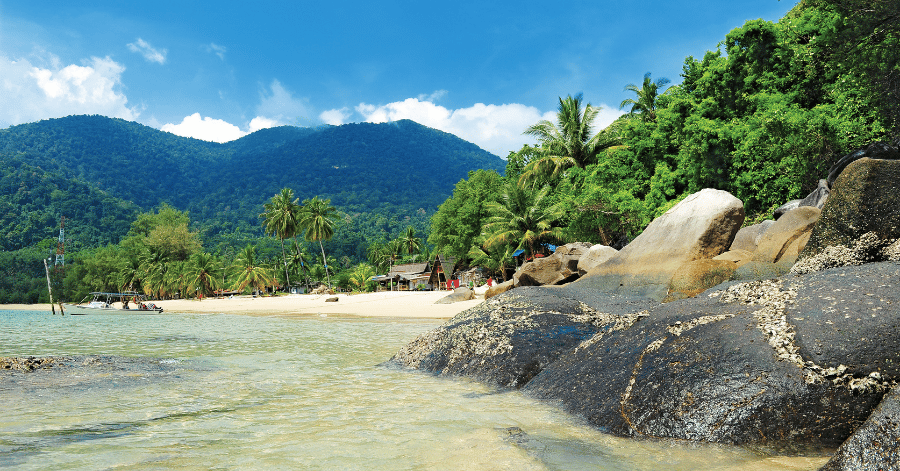
Because the whole island is a Marine Park, every visitor pays a conservation fee at the jetty before boarding. As a non-Malaysian, that’s 30 MYR (~S$10) per adult and 15 MYR (~S$5) per child, in cash. It’s separate from your ferry ticket, so keep ringgit on hand.
Getting around once you’re there
Outside Tekek, there are barely any roads or cars. To move between villages you’ll walk the connecting paths, rent a bicycle by the hour or day, or take a sea taxi (a small boat, priced by distance). Many remote resorts on the Mukut and Nipah side are reachable only by boat.
Related Guide: Routing through Johor first? Our JB weekend getaway guide has 27 things to do if you want to tack a night onto the trip.
Best Time to Visit Tioman (and When It Closes)
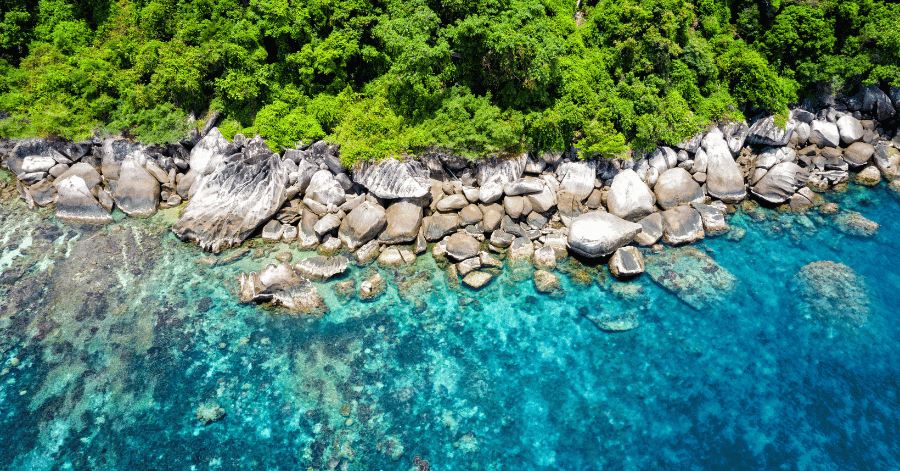
Go between March and October. That’s the dry, calm season when ferries run on schedule, the water is clearest, and resorts are fully open.
Avoid the northeast monsoon, roughly November to February. During these months the sea gets rough, ferries are cut back or cancelled, and most businesses on the island shut down. So “is Tioman open now?” is a real question in December and January (the answer is usually no).
The peak monsoon months, December and January, are the wettest and windiest.
- March–May: great water clarity, fewer crowds
- June–August: peak season, busiest and driest
- September–October: still good, tail end of the season
- Nov–Feb: monsoon, island largely closed
Worth knowing: the season can shift a few weeks either way each year, so confirm ferry schedules and that your resort is open before locking in dates near the edges.
Related Guide: If Tioman’s shut for the monsoon, swap the beach for the cool air. Our Cameron Highlands guide covers tea fields and strawberry farms that are great year-round.
How Many Days Do You Need in Tioman?
Plan for at least 2 nights, and 3 if you want to dive or do a full-day island-hopping tour. Tioman is a place to slow down, not to power through, so a single night barely covers the ferry time.
Recommended itinerary structure: Arrive and settle in on day one, snorkel or island-hop on day two, and keep day three for a jungle walk or a lazy beach morning before the ferry back.
Best Things to Do in Tioman
There’s far more here than the dive sites. Snorkelling, island-hopping, jungle waterfalls, village life and one of Malaysia’s most dramatic peaks all sit within a short boat ride or walk.
1. Island-hop and Snorkel at Coral Island (Pulau Tulai)
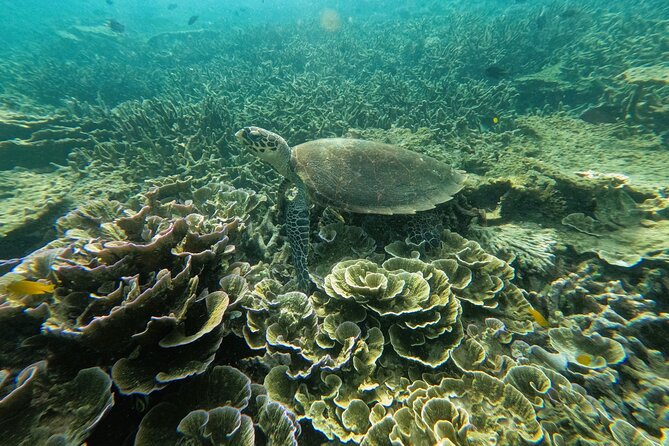
Image Credits: Tripadvisor
This is the headline day trip, and it’s worth every ringgit. Boat tours run a circuit of snorkel stops with Coral Island (Pulau Tulai) as the star: white sand, the healthiest coral on the route and a real chance of swimming with turtles. A shared snorkelling trip runs around 60–150 MYR (~S$19–48) per person; a private full-day charter that bundles several stops, lunch and dolphin or turtle spotting costs more, around 300 MYR (~S$97).
2. Snorkel Straight Off the Beach at Salang
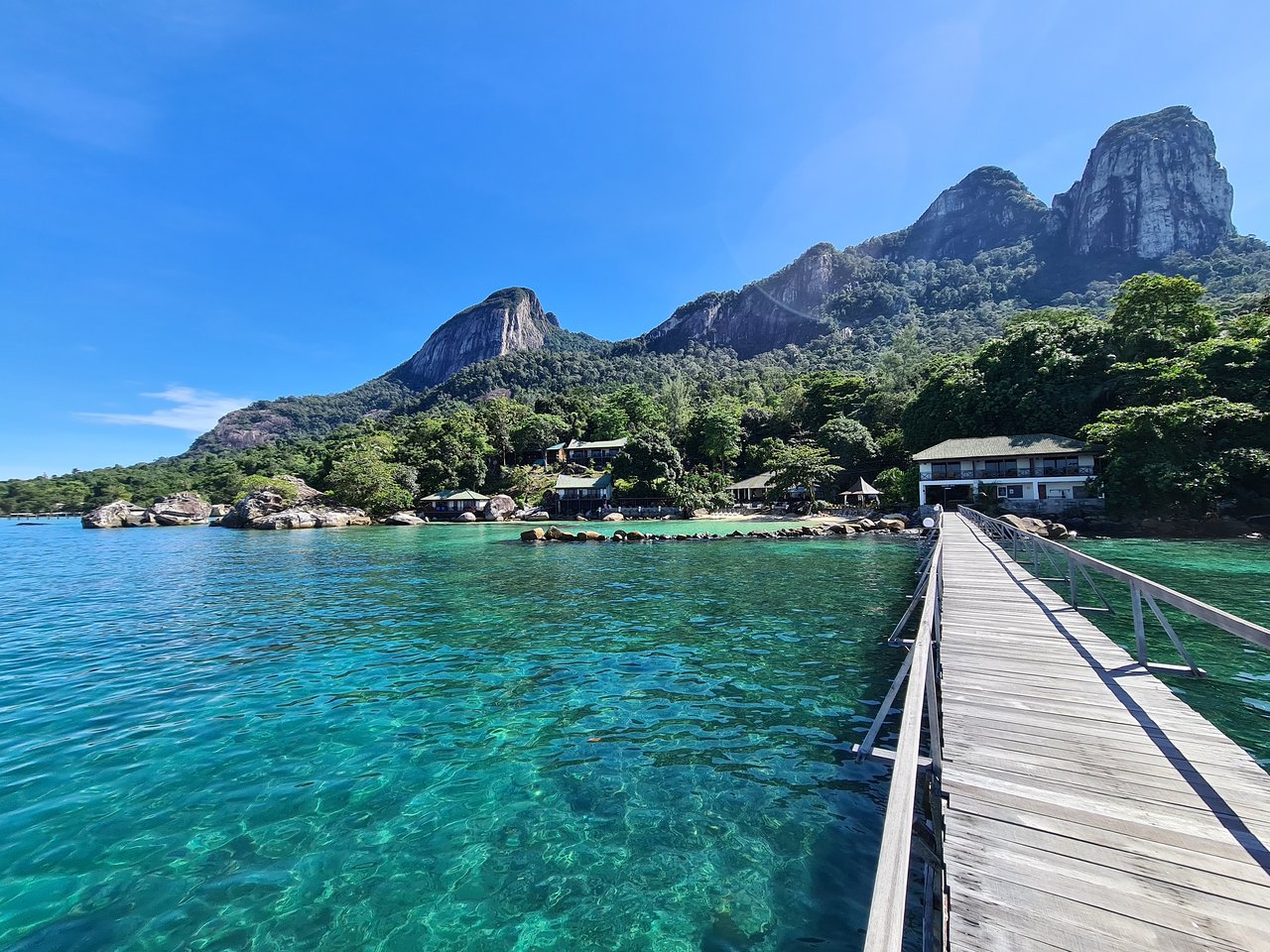
Image Credits: Tripadvisor
No boat, no tour, no problem. Salang has reefs close enough to swim to from the sand, so you can wade in with a mask and see corals and tropical fish within minutes. It’s the easiest snorkelling on the island and free, which makes it perfect for a lazy first afternoon.
3. Dive or Snorkel Renggis Island
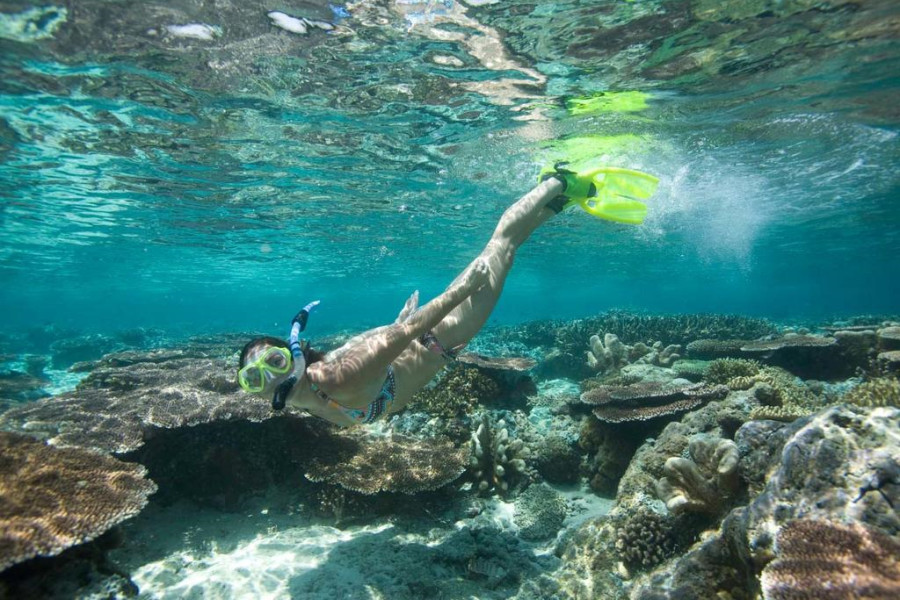
Image Credits: On Tour Malaysia
A small island off the Berjaya stretch, Renggis is the go-to beginner spot: calm, shallow and clear, with reef life close to the surface. Local divers rate it as one of the best easy sites on the island, so it’s ideal for a first dive or a relaxed snorkel.
4. Get PADI-Certified for Less
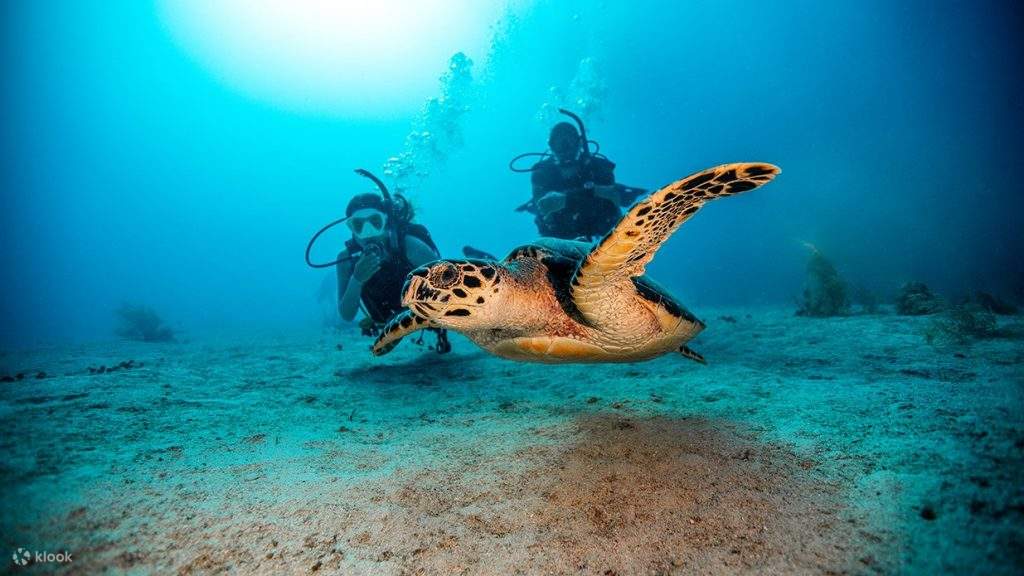
Image Credits: Klook
Tioman is one of the cheapest places in the region to learn to dive. A 3 to 4-day PADI Open Water course runs roughly 1,200–1,800 MYR (~S$390–580), around half what you’d pay in Singapore. Most dive schools cluster in Salang and around Berjaya, and the course covers pool training, theory and four open-water dives.
5. Kayak or Paddleboard the Calm Bays
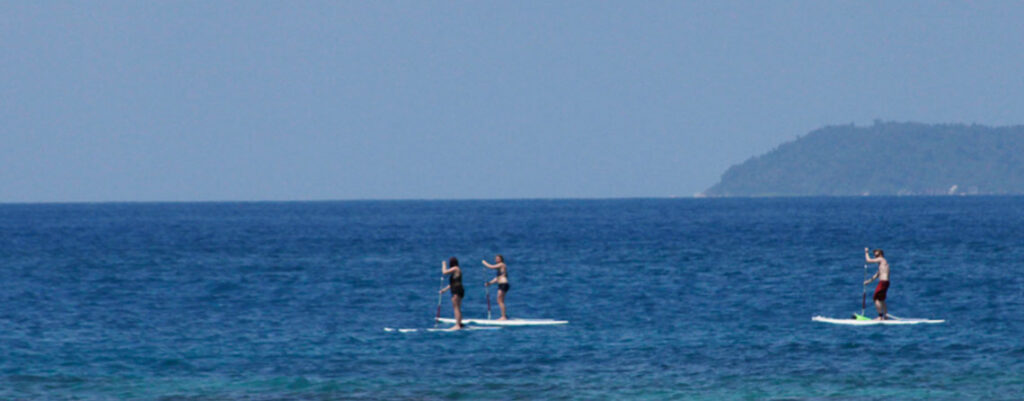
Image Credits: Barat Tioman Beach Resort
When you want the water without the boat trip, rent a kayak or stand-up paddleboard from your resort and explore the sheltered bays. The west-coast beaches are usually flat and clear in season, so it’s an easy, cheap way to reach quiet coves and snorkel spots under your own steam.
6. Walk Monkey Beach to Monkey Bay
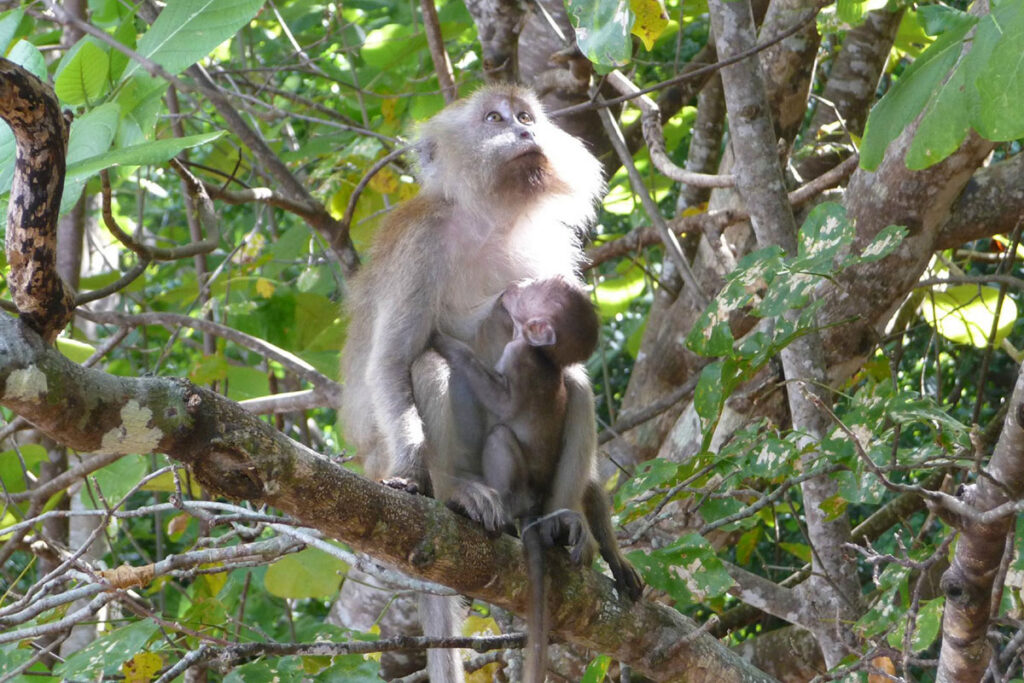
Image Credits: Pulau Tioman
One of the prettiest short hikes on Tioman. A jungle footpath links Monkey Beach to the hourglass-shaped Monkey Bay, with good snorkelling at both ends and the chance to spot the macaques the area is named after. Bring water and watch your snacks around the monkeys.
7. Trek to Asah Waterfall
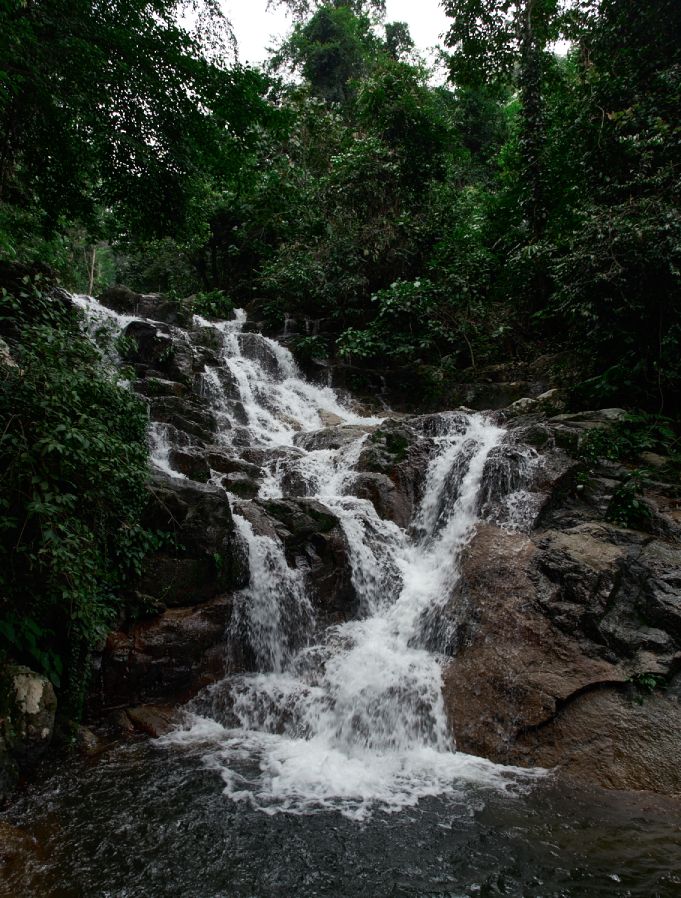
Image Credits: The Boathouse Pulau Tioman
The island’s most famous waterfall, Asah (also called Mukut Waterfall), sits deep in the rainforest near Mukut and is part of island lore. You reach it on a jungle trek from Mukut or Asah village, or take a boat or water taxi closer if you’d rather not sweat for it. The pool at the base is a good swim.
8. Cool off at Lubuk Teja, Juara
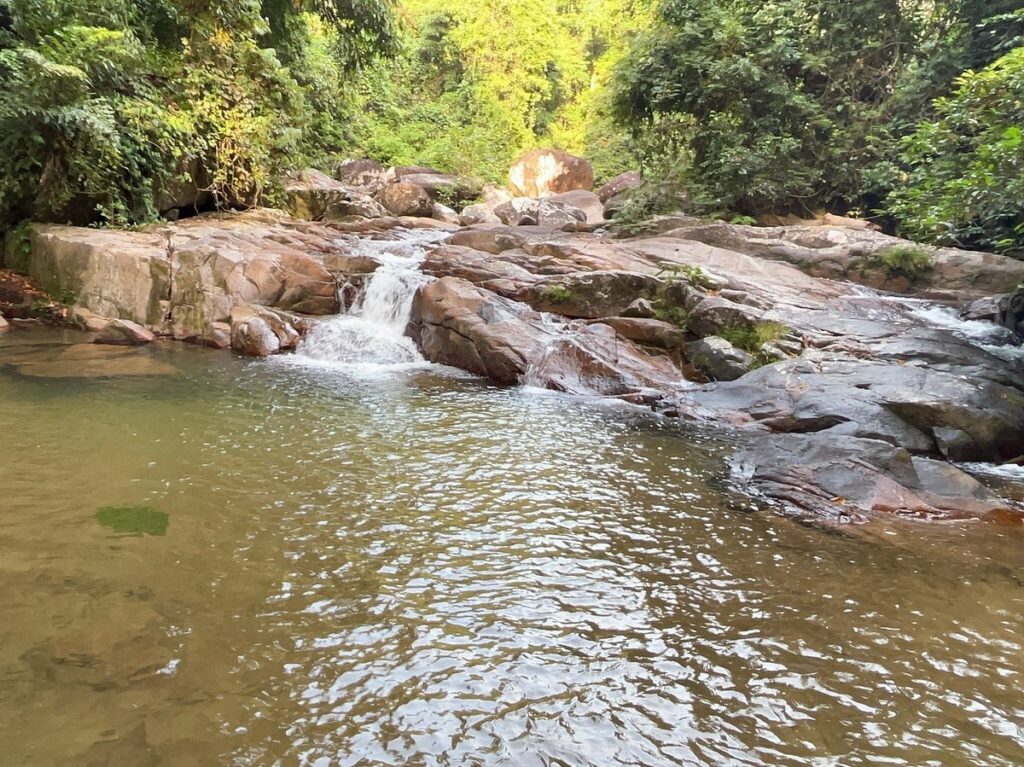
Image Credits: Tripadvisor
If you’re staying in Juara, the Lubuk Teja waterfall is an easy 30 to 45 minute walk through the rainforest. Heads up from travellers who’ve done it: ignore the official trailhead sign and follow the road past the small hydro plant instead, the marked path is overgrown. The pool at the bottom is bigger than it looks, so pack swimwear.
9. Photograph (or Climb) the Dragon’s Horns
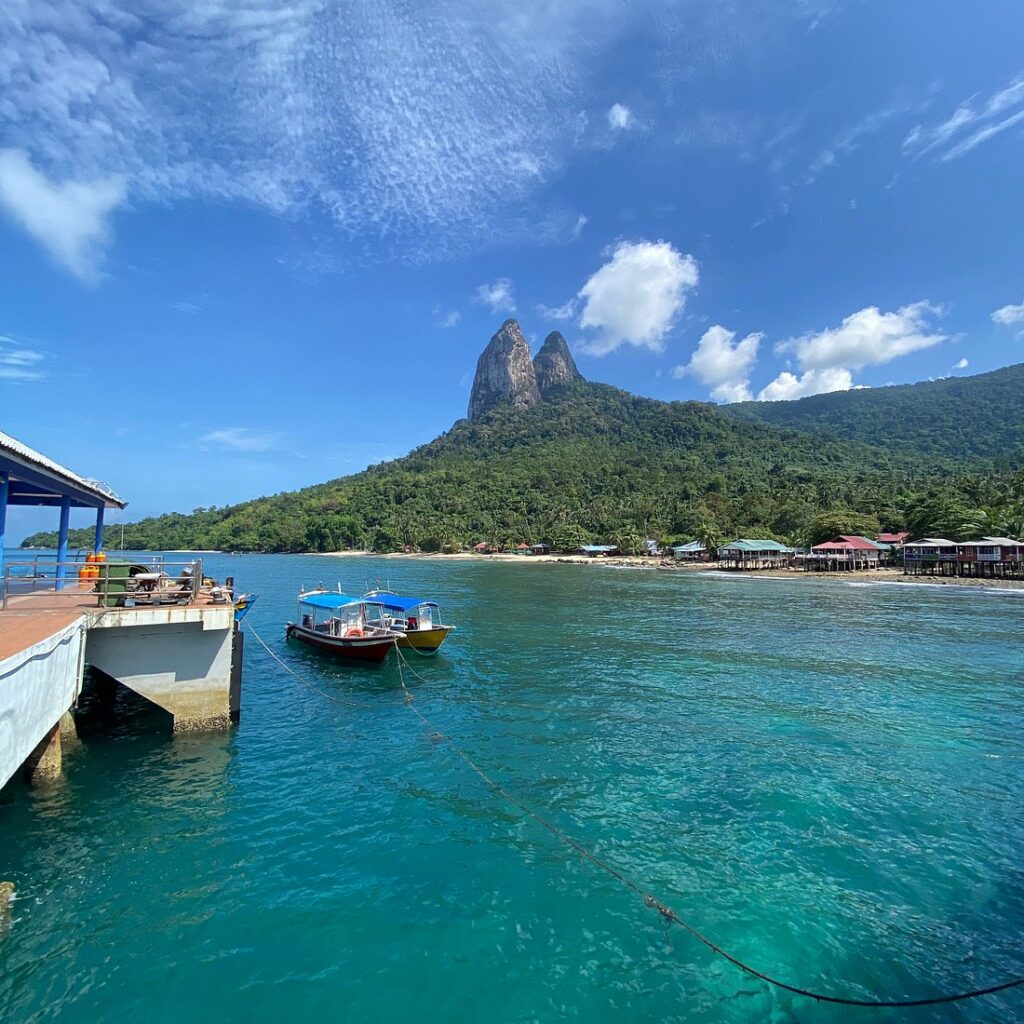
Image Credits: Tripadvisor
Above Mukut rise the Dragon’s Horns (Gunung Nenek Semukut), twin granite towers about 700 m tall that are one of Southeast Asia’s best-known big-wall rock climbs. Unless you’re a serious climber, this is the dramatic skyline you photograph from the village, with a steep, rope-assisted jungle trail leading up to a viewpoint at the base.
10. Summit Gunung Kajang
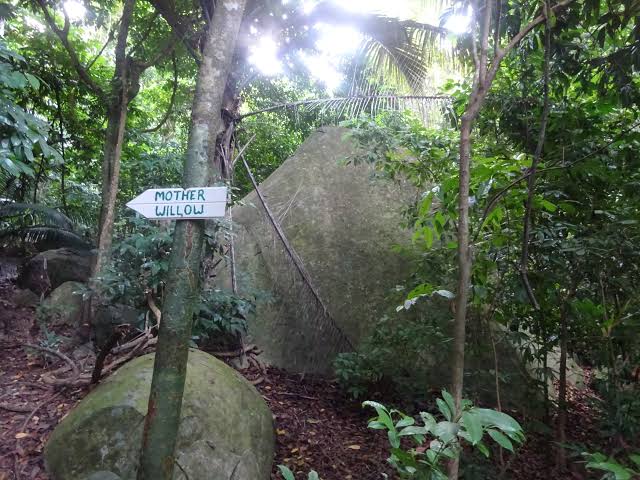
Image Credits: Gunung Bagging
For a real challenge, Gunung Kajang is the highest peak in Peninsular Malaysia’s offshore islands at 1,038 m. The summit trek from Kampung Paya or Juara is tough, overgrown and humid, so go with a local guide. The reward is a panorama over jungle, sea and the islands beyond.
11. Watch Baby Reef Sharks at Kampung Mukut
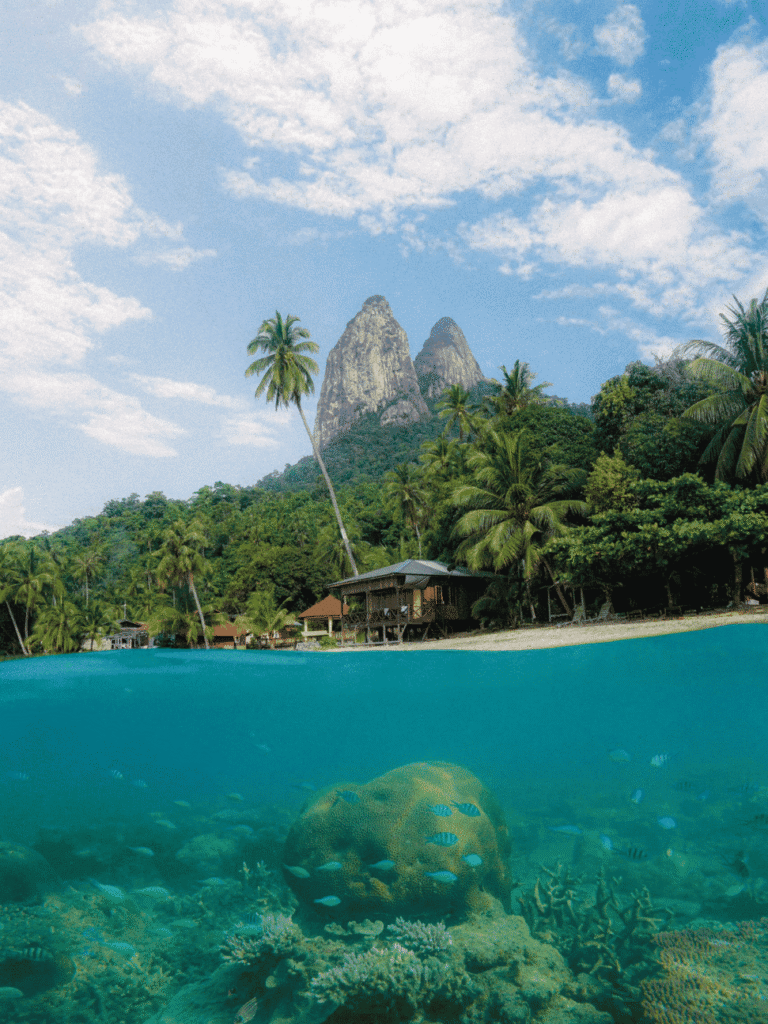
Image Credits: visitmukut.com
A quiet local favourite: at the Seaside Cafe jetty in Mukut, you can sit with a plate of chicken rice and watch baby reef sharks circle in the shallows below. It’s a small, free thrill that rarely makes the big listicles.
12. Visit the Juara Turtle Project
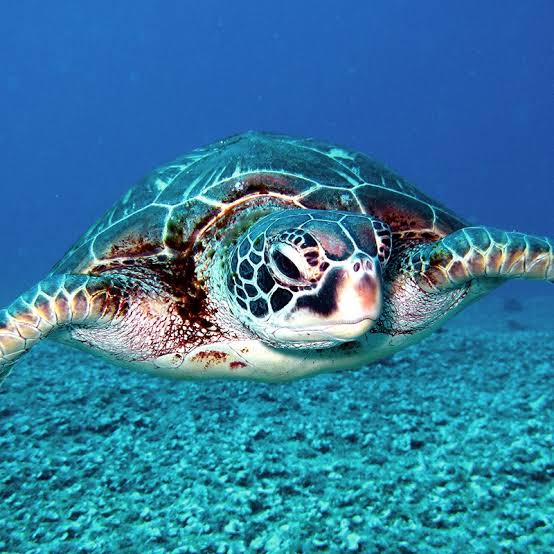
Image Credits: Juara Turtle Project
On the Juara side, this small sea-turtle conservation centre lets you see hatchlings and learn about the nesting work along the east-coast beaches. It’s a gentle, kid-friendly stop and a good rainy-hour activity.
13. Hike the Cross-Island Trail to Juara
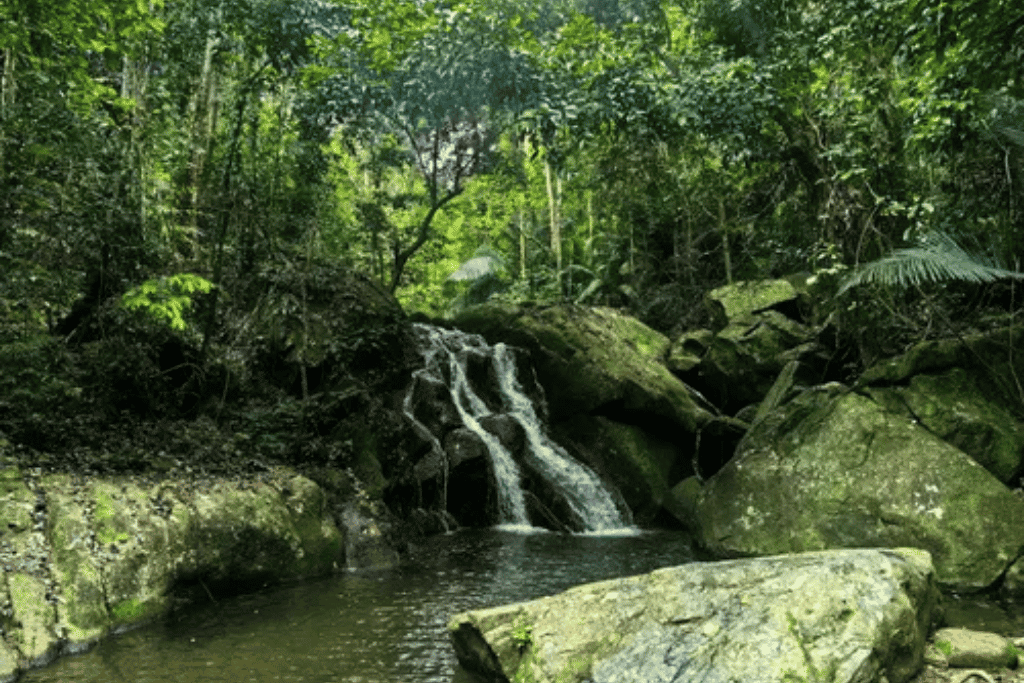
Image Credits: AllTrails
For a proper jungle walk, the cross-island trail from Tekek over to Juara climbs through dense rainforest and takes a few hours one way. It’s steep and sweaty, but you can do it without a guide by following the path, and a sea taxi can bring you back so you don’t have to retrace your steps.
14. Unwind with a spa day at Paya Beach Resort
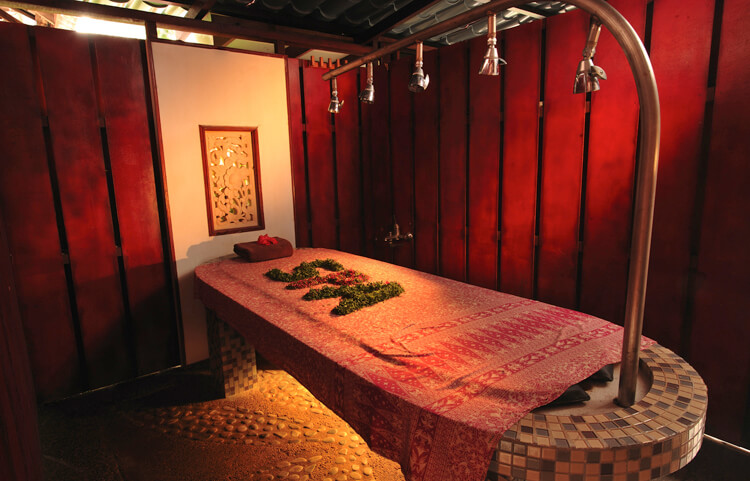
Image Credits: Paya Beach Resort
Not everything has to be active. Paya Beach Resort is the island’s spa-and-sunset spot, with traditional Malaysian massages, a seafood buffet and calm water for an easy swim. Even non-guests can book a treatment, making it a good reset day between snorkel trips.
15. Take a Duty-Free Run in Tekek
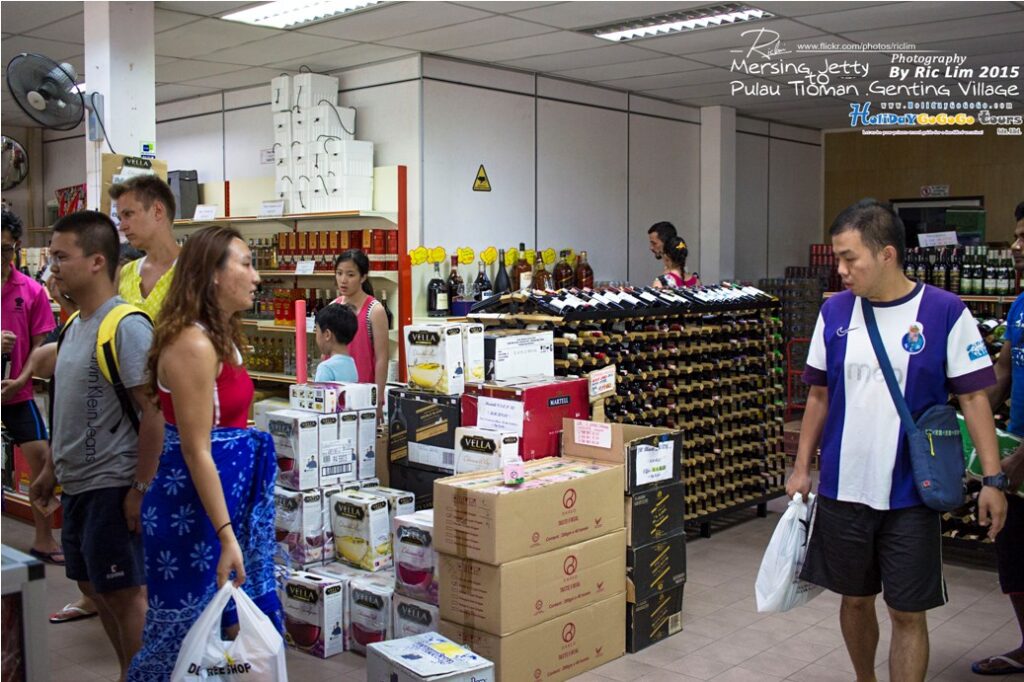
Image Credits: govisittioman.com
Tioman’s duty-free status means cheap drinks and snacks, and the main shop sits near the airstrip in Tekek. Stock up for beach evenings. Just remember Singapore’s strict duty rules: declare any alcohol or tobacco you bring back. The allowances are small.
Related Guide: Pairing Tioman with more of Malaysia? Our things to do in Penang guide maps out heritage George Town, hawker trails and Penang Hill.
What to Do in Tioman at Night
Nightlife depends entirely on where you stay. Tioman isn’t a party island, but it has more after dark than you’d expect from a place this quiet.
16. Salang’s Beach Bars and Fire Shows
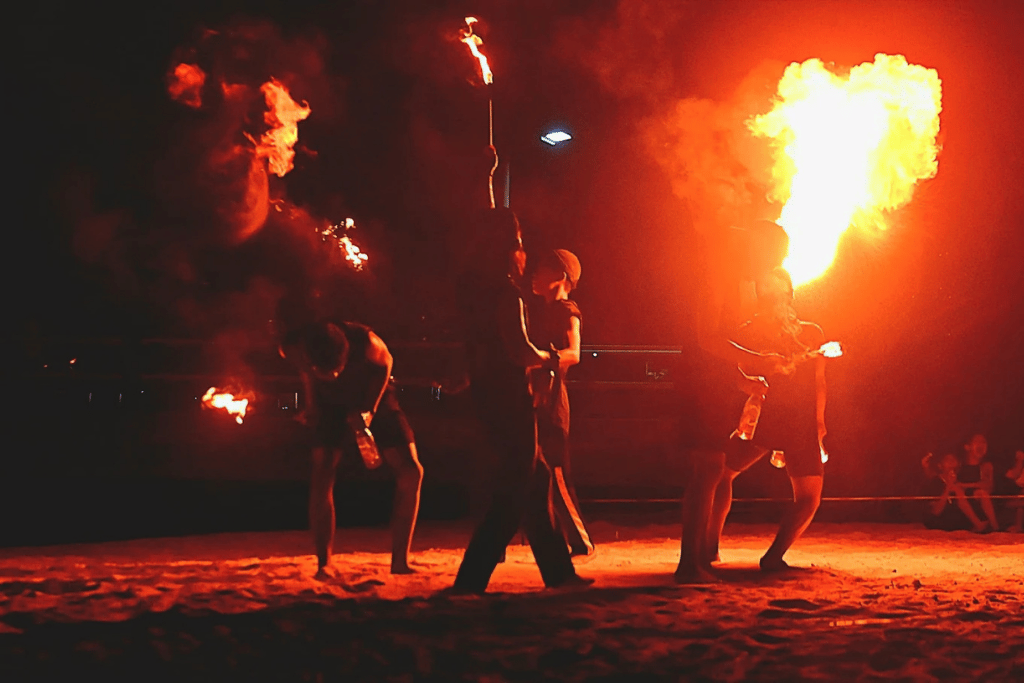
Image Credits: FireShow Salang on Google Reviews
Salang is the social centre after sunset and the only village with a real night scene. After a day on the reef, the handful of beach bars fill up with divers and backpackers. There’s the occasional fire show on the sand, and cheap duty-free drinks keep it going late.
Everywhere else on the island is quiet by 9 PM, so if you want people, music and company, base yourself here.
17. Glowing Plankton at Nipah Beach

The island’s most rare and magical after-dark sight. On dark, moonless nights at remote Nipah Beach, the water lights up with bioluminescent plankton that glow electric blue with every kick and every handful you scoop. It’s sighting-dependent and never guaranteed, but when it happens it’s the kind of thing you’ll remember long after the tan fades.
Nipah is boat-access, so you’ll usually catch it as an overnight guest rather than a day-tripper.
18. Beach Bonfires and Stargazing

On the quiet beaches (Juara, Mukut and the remote resorts), the night out is a beach bonfire and a sky full of stars. With almost no light pollution, you can pick out the Milky Way on a clear night.
Grab a drink from the duty-free shop, sink into a hammock and listen to the waves. That’s the evening sorted, no plans required.
19. Try a Night Dive or Snorkel
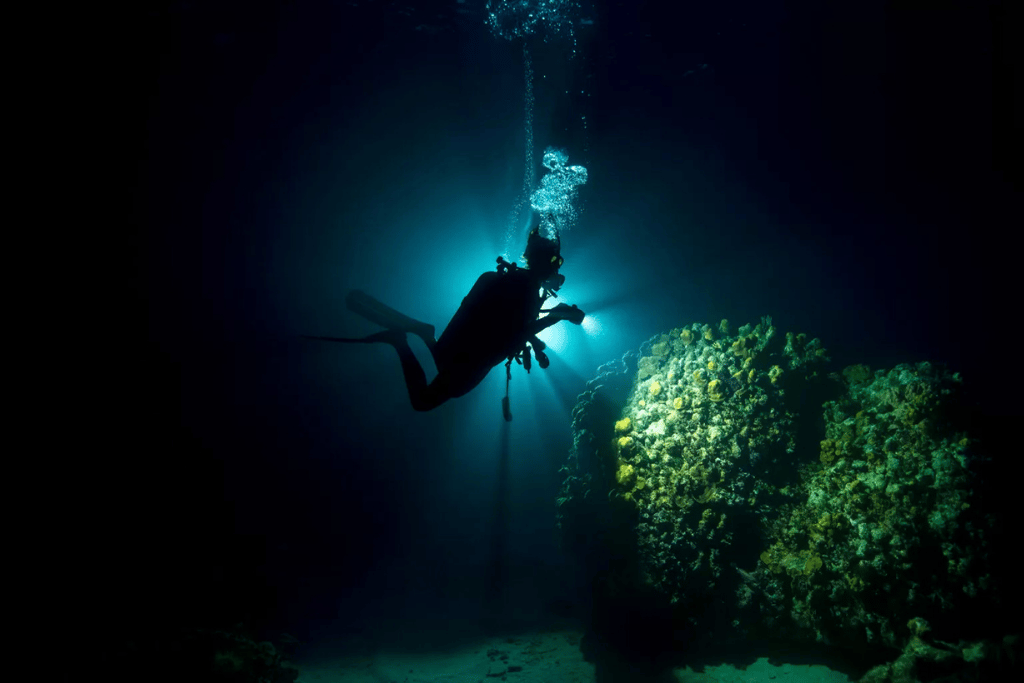
Image Credits: SGMYTravel
For something more active, several dive centres run night dives and guided night snorkels, when the reef changes shift. Lionfish hunt, parrotfish sleep wrapped in their own mucus, and crabs and the odd reef shark come out under torchlight.
It’s a completely different underwater world from the daytime, and a favourite for certified divers staying around Salang or Tekek.
Related Guide: Heading out on night dives or jungle trails? It’s worth being covered. See our travel insurance comparison for plans that include water sports.
Where (and What) to Eat in Tioman
Food on Tioman is simple and beachy: fresh seafood, Malay staples and a surprising run of good cafés, mostly on the Juara side. Restaurants keep odd hours and some close midday, so don’t leave dinner too late.
20. Juara Mutiara Cafe
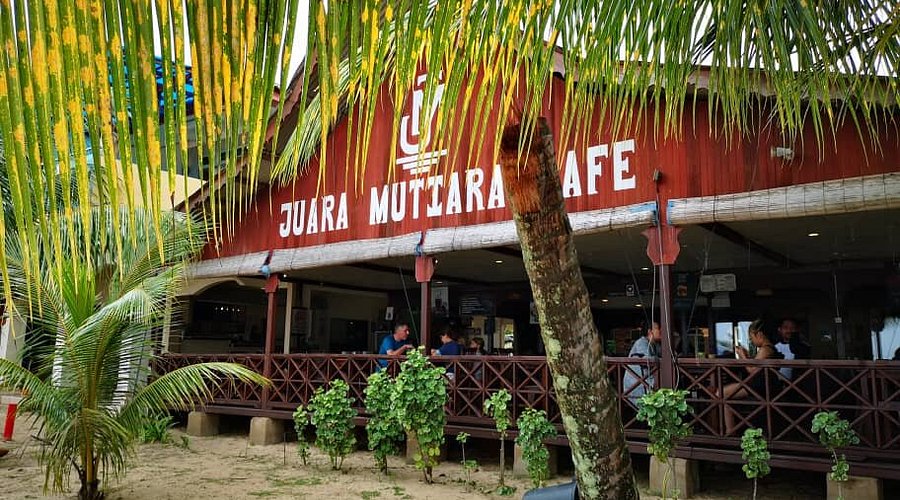
Image Credits: Tripadvisor
The standout on Juara beach, good enough that travellers eat here twice in a day. Breakfast runs to Nutella French toast, big club sandwiches and fruit bowls with iced lattes and matcha. Come back at night for Cajun grilled prawns, a whole grilled seabass and a green-bean stir-fry eaten right on the sand.
Easily the village’s best all-rounder, and reason enough to base yourself in Juara.
21. Mia Cafe
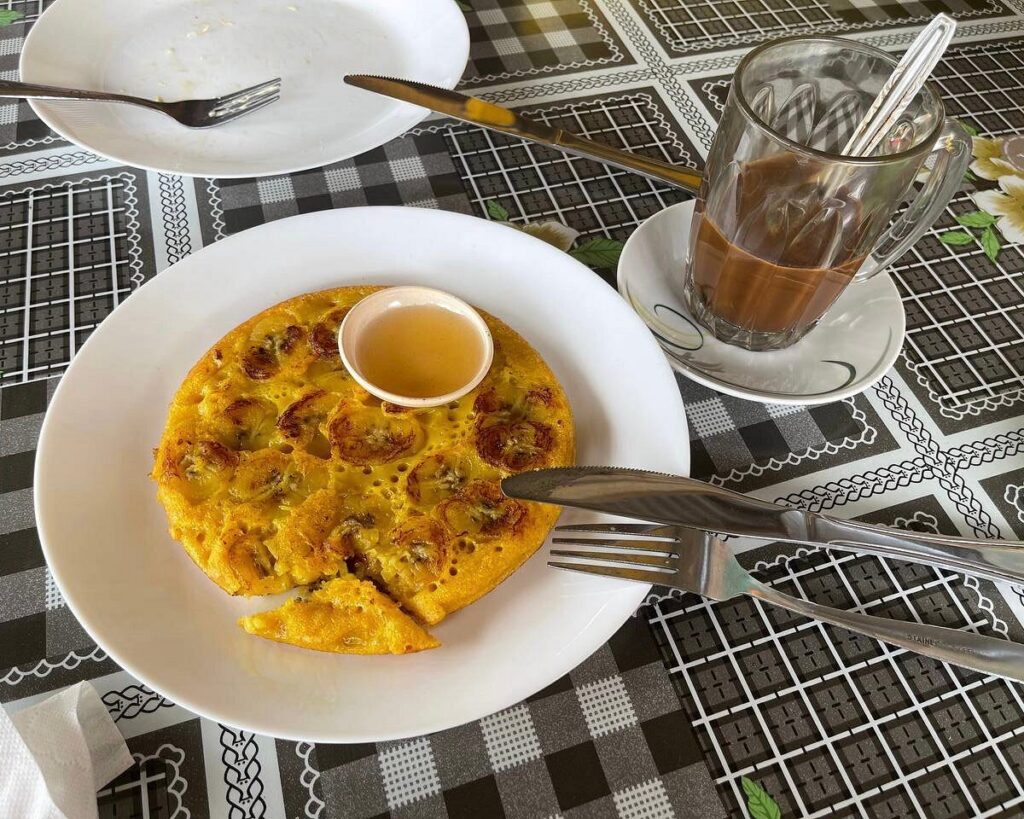
Image Credits: Tripadvisor
A casual Juara lunch spot for maggi goreng with a fried egg, pineapple fried rice and an onion omelette, washed down with iced barley or lemon tea. Cheap, unfussy and exactly what you want after a morning in the water, when it’s too hot to do much more than eat and nap.
22. Pantai Cafe

Image Credits: Martyna Kasperek on Google Reviews
The pre-dinner hang in Juara. Grab a Somersby cider and a beef black-pepper baguette, then walk it off along the beach before your proper meal. Low-key, local and right by the water, it’s the spot to ease into the evening rather than a destination dinner.
23. De Sanosa Cafe
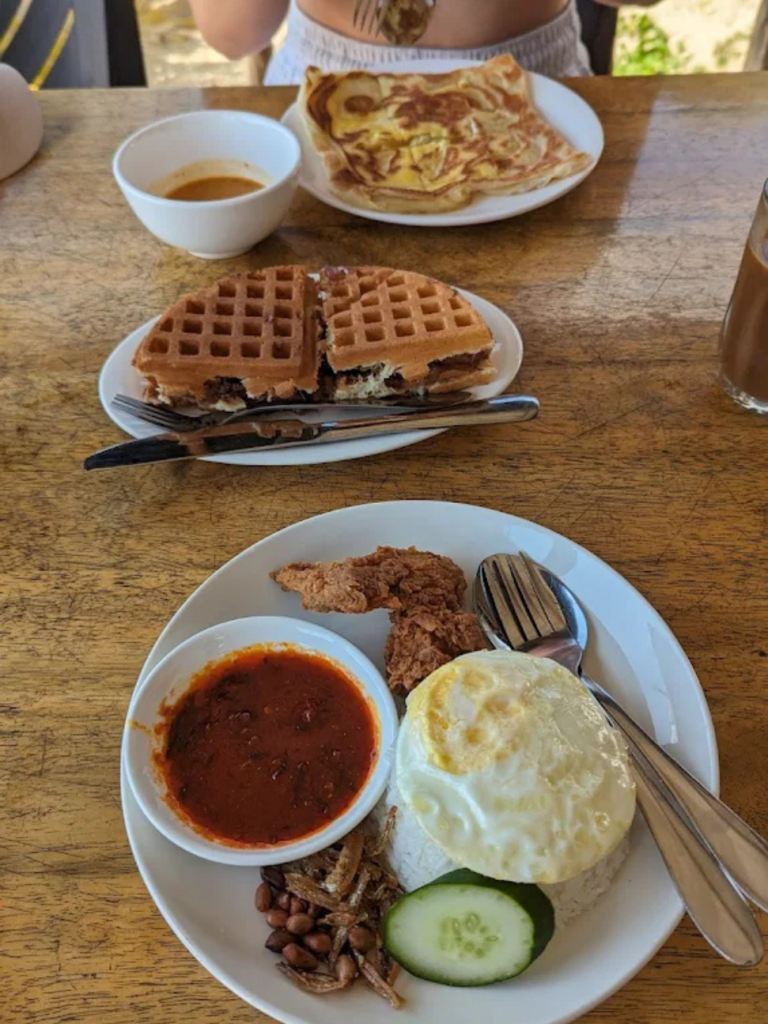
Image Credits: Heimo Reiter on Google Reviews
A small Juara café that travellers rate a clean 5 out of 5 in their Tioman food rounds. It does simple local plates like nasi lemak and kopi O alongside coffee and snacks, making it a good stop while you wander the beach strip or wait out the midday sun.
24. Resort Dinners and Beach Barbecues
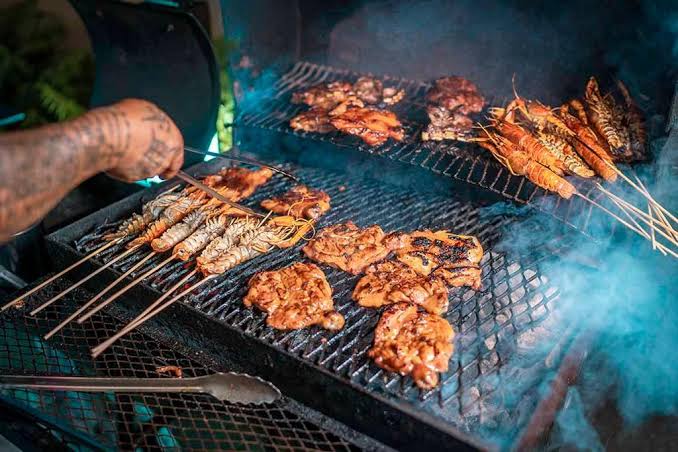
Image Credits: Aman Tioman Beach Resort
If you’re staying somewhere remote like Mukut or Nipah, dinner is usually at your resort, since there’s nowhere else within walking distance. Expect a simple buffet (honey-lemon chicken, beef stews, fresh fish, spring rolls) or a beach barbecue.
Many remote stays include breakfast and serve dinner for a set price, so check what’s covered before you book and you won’t go hungry on the quiet side.
Related Guide: Craving more food-and-views weekends close to home? Our Genting Highlands guide maps out an easy cool-weather break with plenty to eat.
Where to Stay: Tioman’s Beaches and Villages Explained
Tioman isn’t one resort strip. It’s a string of beach villages, each with its own feel, so pick the village first and the room second. Here’s how they break down.
Salang
The liveliest of the bunch and the backpacker hub. Salang has some of the easiest snorkelling on the island, with reefs you can swim to from shore, plus the most after-dark action: beach bars, the odd fire show and a sociable crowd. Best if you want company.
ABC (Air Batang)
Just south of Tekek, ABC is the walkable traveller village: lots of cafés and budget rooms strung along one path, easy to stroll between beaches. The beach itself is decent rather than dreamy, but the convenience and cheap eats make up for it.
Tekek
The main hub and arrival point, home to the airstrip, the island’s main ATM, the post office and the main duty-free shop. It’s more functional than scenic, but handy if you want supplies and don’t mind a plainer base.
Juara
On the quieter east coast, Juara is the slow, surf-and-sunrise side. Far fewer people, basic beachfront chalets, and a couple of standout cafés. One traveller called its beach “one of the best I’ve ever seen, almost untouched.” The trade-off is isolation, so plan your meals.
Paya & Genting
The southwest resort stretch. Paya Beach is the spa-and-sunset side (Paya Beach Resort does massages and a seafood buffet), and the bigger Berjaya Tioman Resort here even has an 18-hole golf course. Genting leans more local and is a working fishing village in the early mornings.
Mukut & Nipah
The most remote and scenic, reachable mainly by boat. Mukut is a traditional fishing village under the Dragon’s Horns rock towers; Nipah is famous for its glowing plankton at night. Private-beach resorts like Minang Cove, Tunamaya and Japamala sit on this side for travellers who want to disappear completely.
Related Guide: Island wifi is patchy, so sort data before you sail. Our best travel eSIM guide covers cheap Malaysia plans from around S$1.
Is Tioman Expensive? A Singapore Traveller’s Budget
No, Tioman is one of the more affordable island trips from Singapore, as long as you’re not chasing five-star resorts. The high costs are getting there and where you sleep, not what you do.
A real 3-day, 2-night trip for 2 adults and 1 child broke down like this in a recent budget vlog:
| Item | Cost (SGD) |
|---|---|
| Bus + ferry, round trip | S$131 |
| Accommodation (2 nights, private-beach resort) | S$225 |
| Food and extras | ~S$100 |
| Island-hopping boat trip | S$96 |
| Marine Park conservation fee | S$20 |
| Tourism tax | S$2 |
| Total | ~S$575 |
You can go cheaper. Basic chalets start from around 100 MYR (~S$32) a night in villages like Juara and ABC, and skipping the boat tour or self-catering breakfast trims the total fast. Tioman packages (room + ferry + activities bundled by a resort) are often the best value if you want it all sorted in one booking.
Bring cash. Card acceptance is patchy outside resorts, and the only reliable ATM is in Tekek. Withdraw enough ringgit before you head to the remote villages.
Related Guide: Working out which travel card to bring? Our best multi-currency cards in Singapore comparison weighs up seven options for overseas spending.
Pay Smart on Your Tioman Trip
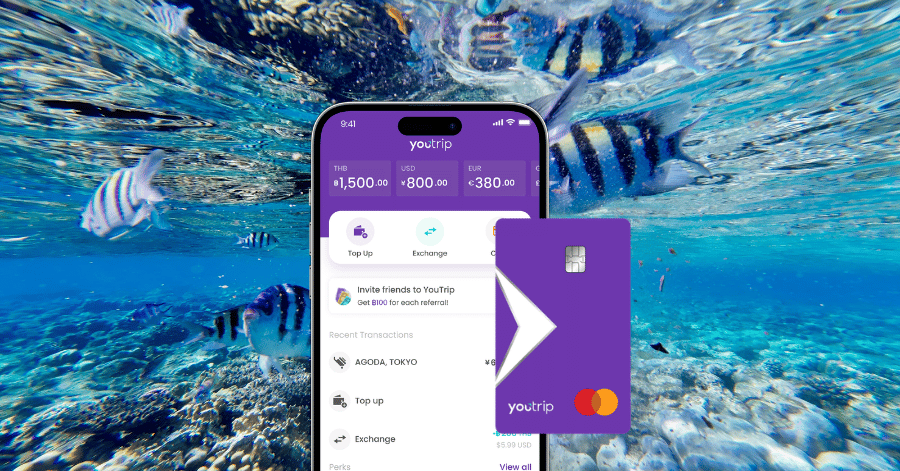
Paying in MYR beats paying in Singapore dollars at marked-up rates, and Tioman is cash-heavy once you leave the resorts. Here’s how to pay in Tioman:
1. Tap your YouTrip card. YouTrip runs on Mastercard contactless, so at resorts, dive centres and the bigger cafés that take cards, just tap and you spend at the Mastercard wholesale rate with 0% foreign transaction fees. MYR is one of YouTrip’s holdable wallet currencies, so you can set up the Malaysian Ringgit wallet and lock in the rate before you cross.
2. Cash, withdrawn from a Malaysian ATM. Hawker stalls, sea taxis, small chalets and the Marine Park fee are all cash-only. Withdraw MYR from a mainland ATM in JB or Mersing before you sail, since the only reliable machine on the island is in Tekek. The first S$400 of overseas ATM withdrawals each calendar month is free with YouTrip, then 2% on the amount after that, and it resets on the 1st. Skip the money-changer queue. Full breakdown in our Malaysia ATM withdrawal guide.
3. TNG eWallet. Touch ‘n Go is Malaysia’s main e-wallet, handy for some mainland transport and shops on the way through. You can top it up from your YouTrip card, but heads up: TNG charges a foreign-card convenience fee of up to 2.6% on top-ups using non-Malaysian cards. Full setup in our Touch ‘n Go eWallet guide for Singaporeans.
Not sure your card will work across the Causeway and on the island? Our guide to using YouTrip in Malaysia covers exactly where it does and doesn’t.
Tioman FAQ
Take a coach or bus to Mersing or Tanjung Gemok jetty on the mainland (about 2.5 hours, often via JB’s Larkin Terminal), then a ferry across to Tioman (about 1.5 to 2 hours). There are no direct flights, so the bus-and-ferry combination is the standard route.
Yes, if you want clear water, healthy reefs and a quiet, jungle-backed island rather than nightlife and shopping. It’s a gazetted Marine Park with snorkelling straight off many beaches, and it stays far less crowded than Bali or Phuket.
Avoid the northeast monsoon, roughly November to February. Seas turn rough, ferries get cut back or cancelled, and most resorts and restaurants close. December and January are the wettest. Stick to March through October.
Not currently. Tioman has an airstrip at Tekek, but SKS Airways, the last carrier on the route, ceased operations in January 2025, so there are no scheduled commercial flights. You’ll need to take the ferry.
A little, mostly in Salang, where beach bars, the occasional fire show and a sociable crowd give it the island’s only real night scene. Elsewhere, nights mean bonfires, stargazing and Nipah’s glowing plankton.
It’s affordable by island standards. A 3-day, 2-night trip can come in around S$575 for two adults and a child, and basic chalets start from about 100 MYR (~S$32) a night. The main costs are transport and accommodation, not activities.
Worth the Ferry, Every Time
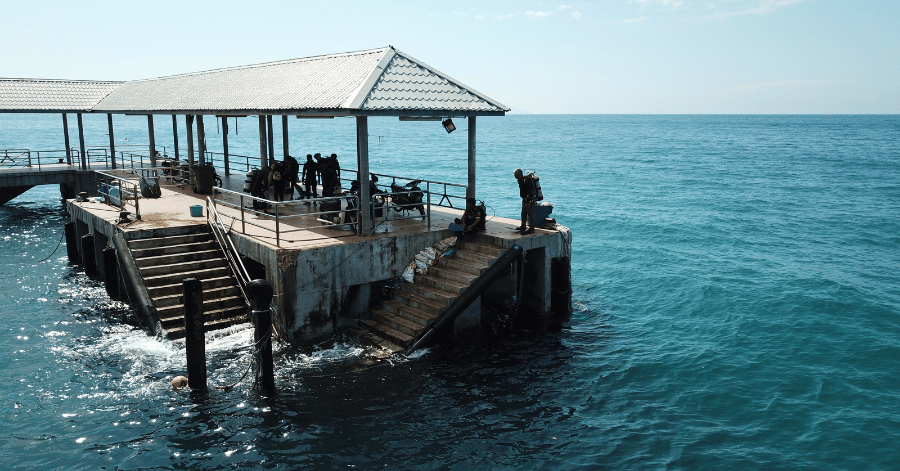
Tioman asks for a bit of effort, a bus, a ferry, a cash-only rhythm, and quietly hands back one of the clearest, calmest island escapes within reach of Singapore. Pick your beach, pack light, bring MYR cash, and let the place do the rest.
Not a YouTrooper yet? Singapore’s go-to multi-currency wallet helps you save with great FX rates and zero fees. Skip the money changer and get a free YouTrip card + S$5 YouTrip credits with code <YTBLOG5>.
Then, head over to our YouTrip Perks page for exclusive offers and promotions — we promise you won’t regret it. Join our Telegram (@YouTripSG) and Community Group (@YouTripSquad) for travel tips, event invites, and more!
Happy travels!


The post Tioman Island Guide 2026: 24 Best Things to Do & Beaches appeared first on YouTrip Singapore.


You May Also Like

Luxor Ships Commander Software to Optimize Bitcoin Mining Fleet Profitability – News Bytes Bitcoin News

Solana price confirms bearish crossover following Drift exploit, will it crash?

EDX Markets Applies for OCC Trust Bank to Expand Crypto Services



