

Pi Network Unveils Major Staking Upgrade for 60M Users
- Pi Network updated the design of its Ecosystem Directory Staking feature.
- Pioneers can stake Pi to boost the ranking and visibility of third-party apps.
- The updated interface makes it easier to discover and navigate ecosystem apps.
A major update to Pi Network’s Ecosystem Directory Staking feature has been released.
It seeks to improve ties between app creators and the network’s expanding user base.
Consequently, this crucial enhancement immediately transforms how millions of global Web3 users interact with decentralized applications.
Boosting App Visibility via Pi Staking
The upgrade comes just days before the much-anticipated Pi2Day event on June 28.
The project is still growing its development tools and ecosystem.
Through this interactive mechanism, verified network Pioneers can now easily stake Pi to dramatically boost the overall visibility of diverse third-party applications.
This new model is very effective to redirect decentralized community attention into high-quality, fully functioning software projects.
Additionally, strategic developers can use these organic numbers to easily acquire a number of genuine, active customers.
As a result, this process results in a merit-based marketplace where use is the measure of software success.
Confirmed participants can financially back their favourite decentralized applications with unambiguous monetary support on the mainnet blockchain.
As a result, developers have an open, self-service approach to accessing a highly focused supply of world-class resources.
Navigating the New Ecosystem Interface
Ecosystem Directory Staking, first introduced at Pi2Day 2025, enables users to stake Pi tokens on the Mainnet.
Its purpose is to support the services and apps listed in the Pi Browser ecosystem directory.
Promising apps are made more visible to Pi users by the method, which functions as a decentralised ranking system.
The most recent upgrade makes the feature easier for developers and Pioneers to use while also enhancing navigation and ecosystem discovery.
By putting builders in direct contact with its community of over 60 million active users, Pi Network thinks Ecosystem Directory Staking will help solve that problem.
Dynamic Attention Allocation Rules
The underlying network allocation model operates entirely dynamically through continuous community engagement, shared trust, and active financial weight.
To maintain their valuable positions, external applications must continually deliver real product value.
The competitive layout makes it more difficult for lower-quality software to easily manipulate the global application directory.
The directory is based on actual locked tokens, rather than on easily manipulated text reviews.
This is one structure that makes software creators who are independent on the other side need to be proactive in their utility to keep their hard won community rankings.
This naturally weeds out low effort projects, while constantly promoting highly reliable ones.
The platform is addressing a key hurdle in Web3: user acquisition in a decentralized fashion.
This model is expected to serve as a key blueprint for future attention-based token economies worldwide.
In the future, the protocol appears to have the potential to do so for the long terms and persist to become technologically relevant.
The post Pi Network Unveils Major Staking Upgrade for 60M Users appeared first on Live Bitcoin News.


You May Also Like
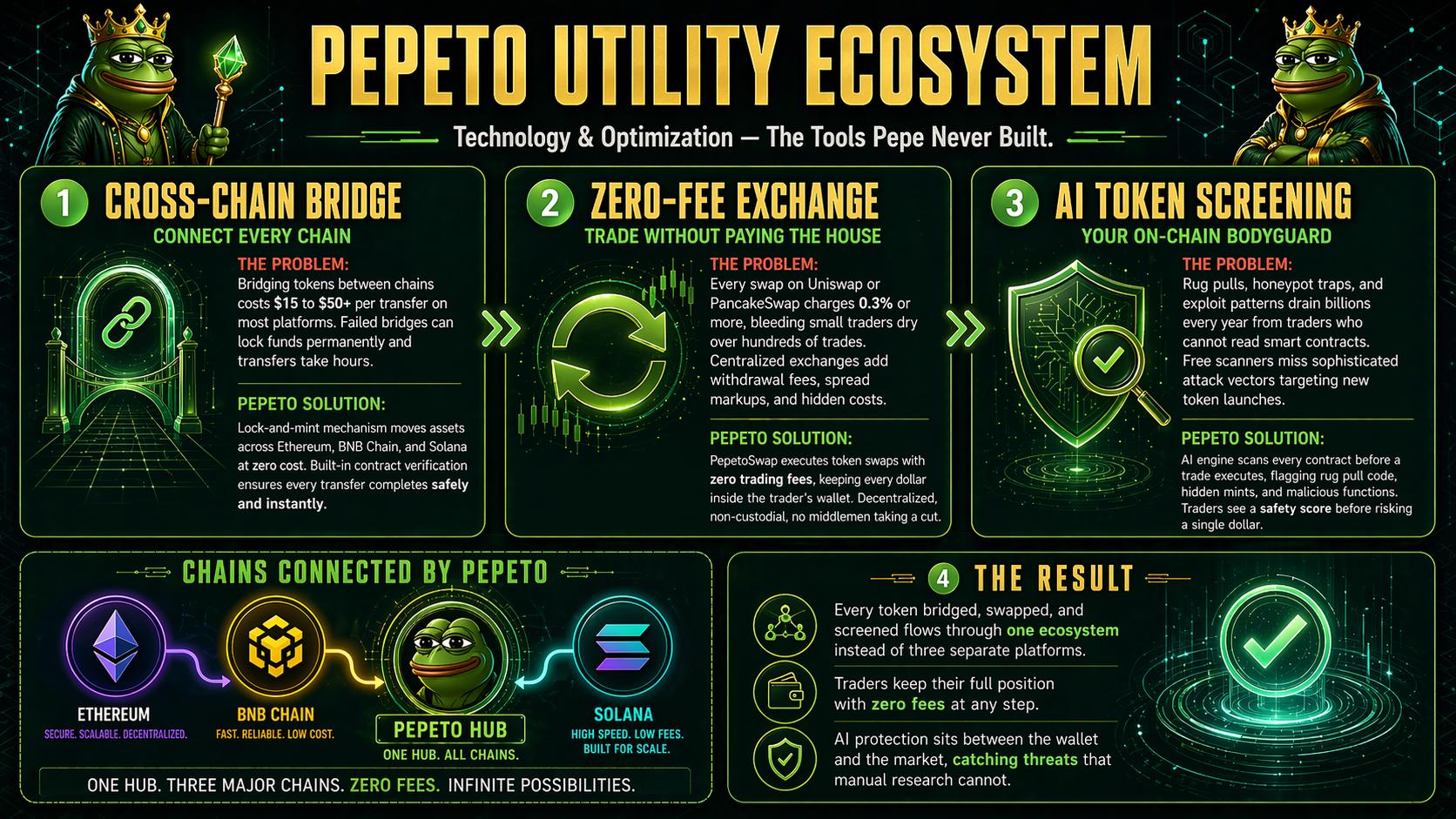
Pepeto Price Prediction: Why $5,000 Could Become $750K as G7 Leaders Put Crypto on the Global Stage

Stunning aerial photo reveals breadth of Trump’s DC destruction

Wall Street expects Tesla rival to surge 90% despite cash crunch



