Building The Culture of Lean Startup in 2025: Top 3 Mistakes First-Time Founders Make
Looking at the data on failed startups, the same pattern is repeated: finances are the breaking point. Many first-time founders underestimate how quickly costs spiral, and they often learn the lesson the hard way. Vision and energy alone won’t keep the lights on. Every dollar spent either lengthens or shortens your runway.
Lean is often seen as a magic pill for operational and cost efficiency. The untold truth: if done wrong, it can actually slow down growth, drain morale, and leave you stuck in endless pivots.
So, how do you build a culture of lean across a startup efficiently? Here are the most common mistakes made when establishing lean practices.
Mistake 1: Focusing on Costs, Not the Culture
Many founders equate “lean” with cutting costs wherever possible. For them, it means hiring fewer people, slashing tools, or running on fumes. Yes, that creates short-term savings. However, in the long run, it misses the bigger picture.
Overemphasis on cost reduction can lead to stalled growth and team burnout. A more effective approach is to focus on building structured spend management, which includes:
\
- Spend visibility and streamlined expense tracking across the entire organization, eliminating fragmented bills and hidden costs that eat away at runway; \n
- Teams aligned on cost-efficiency practices from day one, with everyone - from finance to product - understanding how their decisions impact the bottom line; \n
- Open culture of cost-efficient innovation, with allocated budgets for specific teams and projects that are easy to track; \n
- Proactive solutions that prevent overspending, not just analyze it after the fact. True efficiency comes from catching waste before it happens, so budgets can be redirected toward growth and innovation rather than patching mistakes.
All of this requires consistent effort, but the right workflows and technologies can make it far easier. Automated expense tracking, corporate cards for cross-team cost control, and spend management platforms to address SaaS inefficiencies can lay the foundation for cost-efficiency practices in a lean startup.
Mistake 2: Forgetting the Runway Math
Your runway is a moving target. Many founders forget that until it’s too late. Burn creeps up quietly: extra hires, SaaS subscriptions, cloud costs all add up to that.
Some founders aren’t clear on how long their capital will last, especially since market conditions keep changing. The traditional rule of thumb – 12 to 18 months of runway – is already outdated. Today’s advisors recommend nearly twice that for greater confidence, especially given the prevailing tendency of lengthening fundraising cycles.
The way to avoid this is simple, but it requires discipline: track your monthly burn and runway religiously, not just your growth metrics. Put cost-control KPIs right next to your revenue goals so you never lose sight of efficiency. Plus, always build a Plan B – a version of the business that can survive even if growth slows.
And don’t forget, extending the runway isn’t just about cutting costs. Programs like cloud credits and negotiating SaaS discounts can add months, even years, to your timeline without sacrificing growth. For many startups, those savings have made the difference between shutting down and scaling up.
Mistake 3: Overspending on Tools and SaaS
Lean comes with experimentation, and experimentation requires tools. But what often starts as a few essential subscriptions can quickly snowball into dozens of overlapping SaaS products, with many of them either underused, forgotten, or doing the same job as another.
Without visibility and governance, teams end up paying for licenses that no one uses. Or worse, businesses scale costs on tools that don’t deliver real value. This not only eats into the runway but also creates operational clutter.
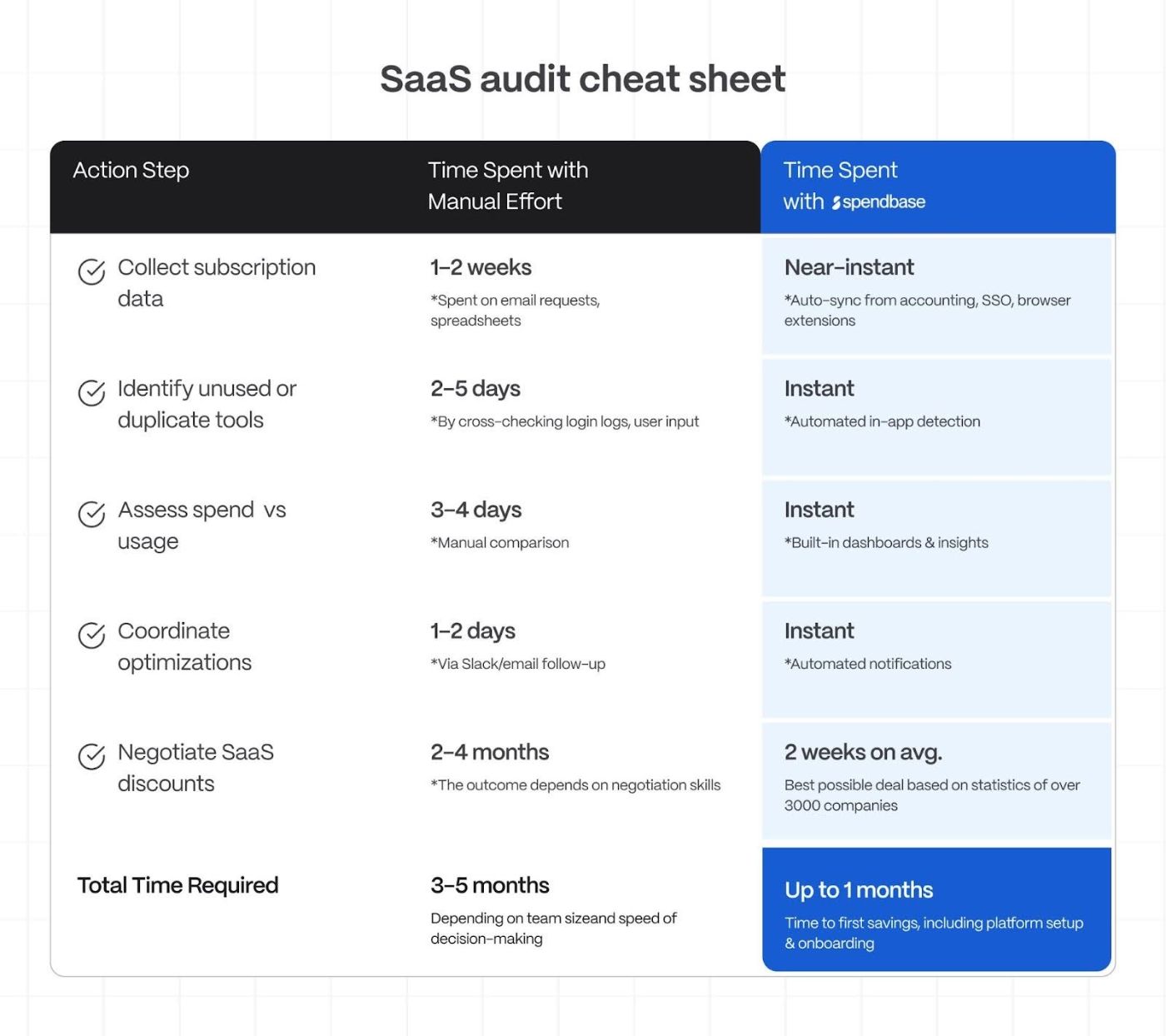
The solution lies in proactive spend management: consolidating redundant tools, tracking SaaS usage, and setting clear approval workflows. To achieve this, companies need to regularly perform SaaS audits. This can be done in two ways – either through internal efforts or by streamlining the process with SaaS management platforms. Ultimately, it all comes down to your in-house expertise and the ability to allocate time for it.
The Bottom Line
Building a lean startup culture in 2025 isn’t just about slashing costs. It’s creating a mindset where every decision is tied to efficiency and growth. That’s the real culture of lean, and it’s exactly what separates startups that scale from those that stall.
Spend management platform brings the clarity that lean startups require – with real-time spend visibility, shadow IT optimization, automated controls, and guaranteed savings on SaaS and cloud to further fuel the runway.
\


You May Also Like

Elon Musk Says SpaceX May Build Advanced Spaceports Worldwide

Exclusive interview with Smokey The Bera, co-founder of Berachain: How the innovative PoL public chain solves the liquidity problem and may be launched in a few months