

Which Crypto Technology does Wall Street Actually Wants?

Wall Street is not suddenly turning into a crypto. What it is doing, however, is borrowing some of the technology that emerged from the digital asset industry. They are now applying it to longstanding financial challenges.
Recent reports suggest that major U.S. banks are exploring tokenized deposit infrastructure. They aim to modernize how money moves across the banking system. The names include JPMorgan Chase, Citigroup, Wells Fargo, and Bank of America.
The goal is not to recreate crypto markets inside traditional finance. Instead, institutions are looking for ways to improve settlement, liquidity management, and operational efficiency using blockchain-inspired technology.
The irony is difficult to ignore: For years, much of the institutional conversation around crypto focused on volatility, speculation, and regulatory concerns. To solve problems that have existed in traditional finance for decades, some of the same underlying technologies are repurposed.
Why This Shift Matters Now
Traditional financial systems still rely on cut-off times, batch processing, and multiple reconciliation steps. Those processes work, but they can also create delays around settlement, treasury operations, collateral transfers, and funding activity. In an era where markets react instantly to new information, even small inefficiencies can become costly.
For crypto observers, the significance extends beyond traditional banking use cases. Growing interest in tokenization signals a shift as elements of the blockchain stack move from experimentation into structured, real-world deployment.
Institutional focus is increasingly centred on execution. They strongly look for settlement efficiency, interoperability with existing financial infrastructure, and measurable operational improvements rather than conceptual potential alone.
As infrastructure becomes faster and more connected, traders increasingly expect integrated access to market data, analysis, and execution. OANDA’s integration with TradingView reflects that shift. It brings charting and trading capabilities into a single workflow.
What Wall Street Is Actually Adopting
Despite the headlines, banks are not rushing to adopt every aspect of the crypto ecosystem.
The technologies attracting attention are largely practical: tokenization, blockchain-based recordkeeping, programmable settlement, and smart-contract automation. These tools improve existing processes rather than replace the financial system altogether.
In simple terms, tokenization involves creating a digital representation of an asset, or security. It also involves the creation of cash claims that can move more efficiently across approved networks.
Many institutions focus on tokenized deposits, Treasuries, and collateral assets. That’s because they play a central role in liquidity and funding markets.
Why Banks Prefer Tokenized Deposits Over Stablecoins
Unlike stablecoins, tokenized deposits remain in the liabilities of regulated banks and fit within existing banking frameworks.
Instead of introducing an entirely new monetary system, tokenized deposits can be integrated into structures that institutions already understand. Compliance requirements, reporting obligations, and regulatory oversight remain largely familiar. For large financial organizations, that reduces uncertainty and lowers barriers to adoption.
In many ways, Wall Street is separating technology from speculation. The focus is not on recreating crypto markets but on determining whether blockchain-based infrastructure can improve how financial institutions operate.
Why Collateral and Settlement Come First
If there is one area where tokenization could make an immediate impact, it is collateral management.
Today, collateral is often spread across multiple custodians, systems, and jurisdictions. Moving those assets efficiently is complicated, especially during periods of market stress when liquidity becomes critical.
Faster collateral mobility could help institutions meet margin requirements more effectively and reduce the amount of capital sitting idle.
Settlement presents another opportunity.
Even in modern financial markets, transactions frequently move through processing windows and reconciliation procedures before reaching finality. Tokenized systems are being tested as a way to streamline those workflows, create clearer ownership records, and reduce operational bottlenecks.
That does not eliminate risk. It does, however, address some of the inefficiencies that have frustrated market participants for years.
Permissioned Networks Are Not the Same as Public Blockchains
One misconception is that institutional adoption automatically means Wall Street is embracing public blockchain networks such as Bitcoin or Ethereum.
The reality is that financial institutions prefer permissioned environments. There, only approved entities operating under clearly defined governance rules can participate.
These systems allow organizations to maintain compliance controls, identity verification standards, and legal accountability. At the same time, they still benefit from blockchain-inspired architecture.
Institutional interest in blockchain does not necessarily translate into support for every public-token ecosystem. What it does suggest is growing confidence that certain ideas developed within the crypto industry have practical value beyond digital asset trading.
Challenges Remain
The opportunity is significant, but adoption is unlikely to happen overnight.
Regulatory frameworks continue to evolve. Interoperability between platforms remains limited, and many institutions still rely on decades-old legacy systems. Integrating new infrastructure into those environments is rarely simple.
Pilot programs continue to expand, but widespread adoption will take time.
What It Means for Crypto Markets and Retail Traders
For the broader crypto market, the trend represents validation of selected blockchain technologies rather than a blanket endorsement of the entire asset class.
Retail traders should keep expectations grounded. A bank launching a tokenized deposit initiative does not automatically create demand for unrelated cryptocurrencies. It also doesn’t guarantee bullish price action across digital assets.
What it does reinforce is a longer-term idea that has gained traction over the past several years. The idea is that the crypto’s most durable contribution is its infrastructure.
Mainstream financial systems are increasingly finding applications for the technology that once powered a niche corner of finance. Whether this translates into broader crypto adoption remains to be seen, but observers can no longer ignore the direction of travel.
From Crypto Hype to Financial Infrastructure
Wall Street is not adopting crypto in the way many expected. Instead, it is selectively embracing the technology that sits beneath it. Through tokenized deposits and more efficient settlement systems, major institutions are modernizing core financial infrastructure.
The result may not resemble the crypto revolution many envisioned, but it could have a lasting impact on global finance. Current pilots may expand into production systems. If this happens, the modernization of financial infrastructure can drive the next phase of blockchain adoption rather than crypto speculation.
The post Which Crypto Technology does Wall Street Actually Wants? appeared first on The Coin Republic.


You May Also Like

Trump Cancels Housing Bill Signing Over CBDC Ban Provision, Demands Voting Legislation First
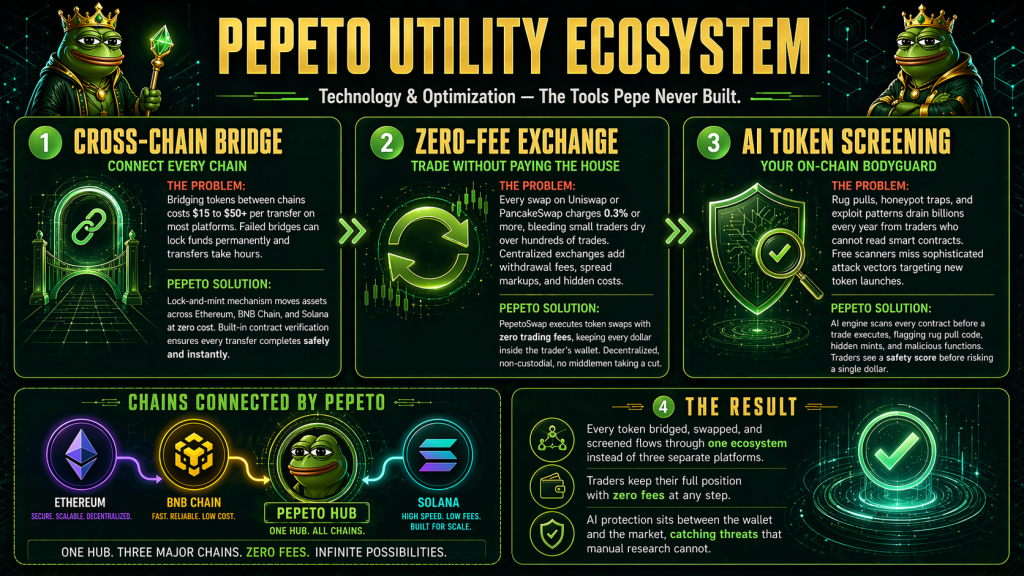
Next Crypto to Explode as Morgan Stanley’s SOL ETF Stuns at 0.14%, While Pepeto Targets 100x Before the Binance Listing Opens

Demand & Convert Deploys Proprietary Web Architecture to Help Local Trades Escape Shared Lead Model



