

Tokyo Core Inflation Edges Higher: June CPI Ex Food, Energy Hits 1.9%
BitcoinWorld
Tokyo Core Inflation Edges Higher: June CPI Ex Food, Energy Hits 1.9%
Japan’s capital city reported a notable uptick in underlying inflation in June, with the Tokyo Consumer Price Index (CPI) excluding fresh food and energy rising to 1.9% year-on-year, up from 1.6% in May. The data, released by the Statistics Bureau of Japan, marks the highest reading in several months and reinforces the view that inflationary pressures are broadening beyond volatile food and energy categories.
Core Inflation Gauge Signals Sustained Price Pressures
The Tokyo CPI ex food and energy — often referred to as ‘core-core’ inflation — is a closely watched measure by the Bank of Japan (BOJ) as it strips out the most volatile components. The June figure of 1.9% brings it closer to the BOJ’s 2% target, though still slightly below. This increase was driven by higher prices for services, including hotel accommodation and recreational activities, as well as a steady rise in durable goods prices.
Economists had forecast a more modest increase to 1.8%, making the actual result a slight upside surprise. The data adds to evidence that Japan’s long battle with deflation is firmly in the rearview mirror, even as the BOJ maintains its ultra-loose monetary policy stance.
Implications for BOJ Policy and the Yen
The steady climb in core inflation puts the BOJ under renewed scrutiny. While Governor Kazuo Ueda has signaled that the central bank will not rush to normalize policy, persistent price increases could force a reassessment. Markets are already pricing in a potential rate hike in the coming months, which would mark a significant shift from Japan’s decades-long low-interest-rate environment.
The yen, which has been under pressure against the U.S. dollar, saw modest gains following the data release. A tighter BOJ policy could further support the currency, though the central bank remains cautious about disrupting Japan’s fragile economic recovery.
What This Means for Consumers and Businesses
For Japanese households, the steady rise in core inflation means real wages are likely to remain under pressure unless nominal wage growth accelerates. The spring wage negotiations resulted in significant pay increases for many workers, but the benefits are being eroded by higher prices. Businesses, particularly in the services sector, are increasingly passing on higher input costs to consumers, a trend that is expected to continue.
The Tokyo CPI is considered a leading indicator for national inflation trends, so the June data suggests that nationwide core inflation will also remain elevated in the coming months.
Conclusion
Tokyo’s June CPI ex food and energy at 1.9% confirms that Japan’s inflationary trend is gaining traction beyond temporary factors. While still below the BOJ’s target, the data supports the case for gradual policy normalization. Investors and policymakers will closely watch the national CPI release and the BOJ’s next policy meeting for further signals.
FAQs
Q1: What is the Tokyo CPI ex food and energy?
It is a measure of inflation that excludes volatile items like fresh food and energy, providing a clearer view of underlying price trends in Japan’s capital.
Q2: Why is this data important?
Tokyo CPI is a leading indicator for national inflation. A sustained rise above 1.5% strengthens the case for the Bank of Japan to adjust its ultra-loose monetary policy.
Q3: How does this affect the yen?
Higher inflation increases the likelihood of BOJ rate hikes, which typically supports the yen. Following the data, the yen strengthened modestly against the U.S. dollar.
This post Tokyo Core Inflation Edges Higher: June CPI Ex Food, Energy Hits 1.9% first appeared on BitcoinWorld.


You May Also Like
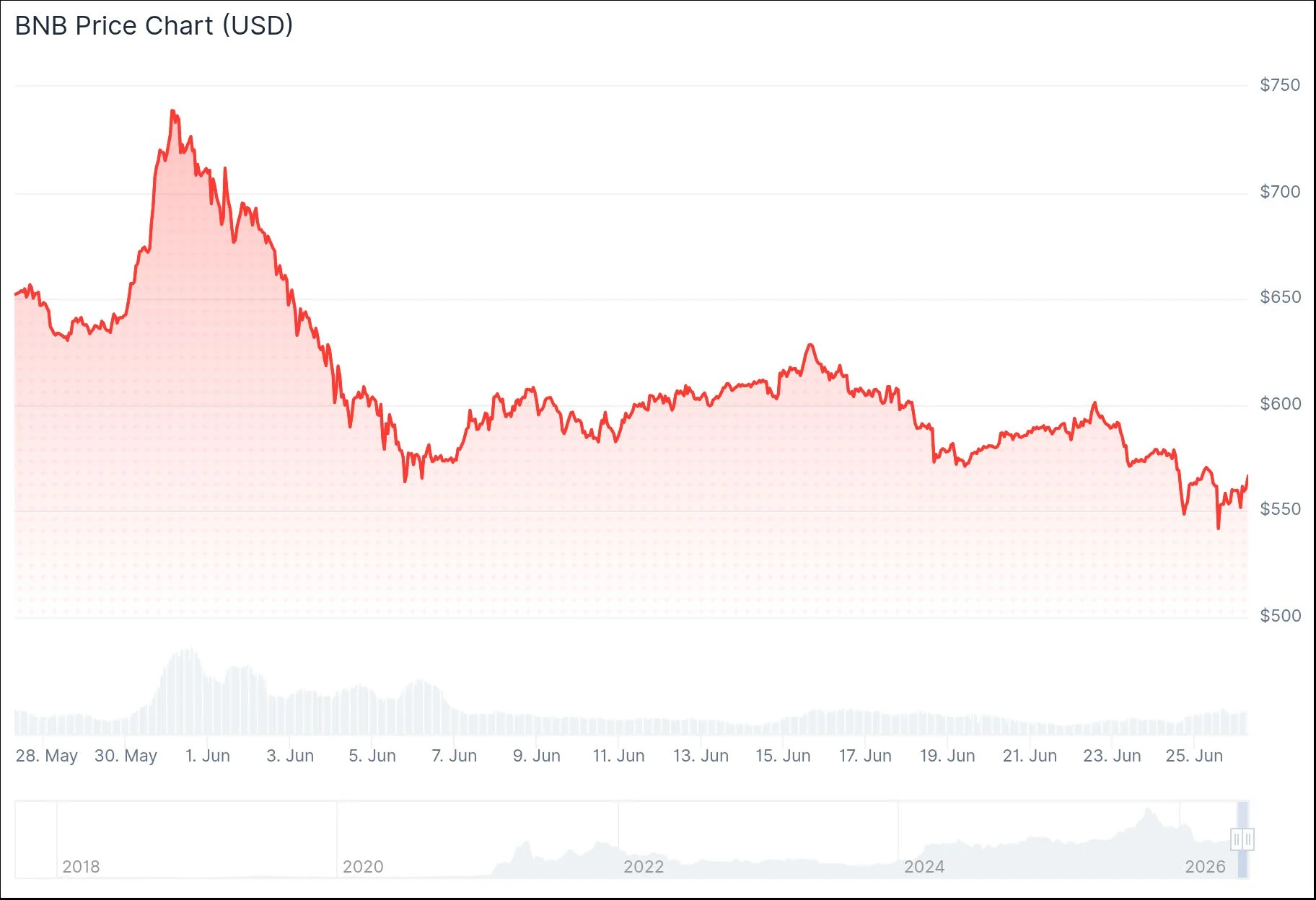
Binance Coin (BNB) Analysis: What Investors Need to Know Before Buying

manadia Global Launch: A Trusted AI Prediction Ecosystem Enters the Era of Value Internet

Wormhole unveils strategic reserve to accumulate W token



