

WTI Oil Holds Below $70 as Market Eyes Potential Surge in Middle East Supply
BitcoinWorld
WTI Oil Holds Below $70 as Market Eyes Potential Surge in Middle East Supply
West Texas Intermediate (WTI) crude oil futures remained under pressure near the $70 per barrel mark on Tuesday, as traders weighed the prospect of increased supply from the Middle East against ongoing demand concerns. The benchmark has struggled to gain traction above this psychological level, reflecting a market caught between geopolitical uncertainty and fundamental supply-side expectations.
Supply Glut Fears Weigh on Sentiment
The latest price weakness stems largely from growing expectations that key Middle Eastern producers may boost output in the coming months. Reports suggest that Saudi Arabia and other OPEC+ members are considering easing voluntary production cuts as early as the next ministerial meeting, potentially flooding a market already grappling with softer demand from major economies like China and Europe.
According to data from the International Energy Agency (IEA), global oil inventories have been building steadily since the start of the second quarter, adding to bearish sentiment. WTI crude has now traded below $70 for several consecutive sessions, a level that historically has triggered buying interest from hedge funds and commercial end-users.
OPEC+ Dynamics and Market Impact
The Organization of the Petroleum Exporting Countries and its allies, known as OPEC+, have maintained a delicate balance between supporting prices and defending market share. However, internal pressures are mounting. Iraq and the United Arab Emirates have been vocal about wanting to pump more crude, arguing that current quotas unfairly cap their output potential.
If OPEC+ proceeds with unwinding cuts, analysts estimate an additional 500,000 to 1 million barrels per day could hit the market by the fourth quarter. Such a move would likely push WTI prices further into the $60s range, a scenario that would benefit consumers but strain the budgets of oil-dependent economies.
Broader Economic Implications
For the global economy, lower oil prices present a mixed picture. On one hand, reduced energy costs can ease inflationary pressures and provide relief to central banks fighting to contain price growth. On the other, sustained weakness in crude can signal deeper demand problems, often correlating with industrial slowdowns and weaker trade flows.
In the United States, lower WTI prices have already begun to impact domestic shale producers, with some operators reporting reduced drilling activity in the Permian Basin. The U.S. Energy Information Administration (EIA) noted a slight decline in active rig counts last week, suggesting that the price environment is starting to curb new investment.
Conclusion
WTI crude oil’s struggle below $70 is a clear reflection of a market anticipating a shift in supply dynamics. With OPEC+ deliberations looming and global demand showing signs of fatigue, the path of least resistance for prices appears lower in the near term. Traders and industry participants will be closely watching upcoming inventory data and any official signals from OPEC+ ministers for further direction.
FAQs
Q1: Why is WTI oil struggling to stay above $70?
A1: WTI is under pressure due to expectations that Middle Eastern producers, particularly within OPEC+, may increase supply in the coming months, adding to existing global inventory builds and weak demand signals.
Q2: What could cause WTI prices to drop further?
A2: A formal decision by OPEC+ to unwind production cuts, combined with continued weak economic data from major consumers like China and Europe, could push WTI into the $60s per barrel range.
Q3: How do lower oil prices affect consumers and producers?
A3: Lower oil prices generally benefit consumers through reduced fuel and energy costs, but they hurt producers—especially U.S. shale operators—by squeezing profit margins and potentially reducing future drilling activity.
This post WTI Oil Holds Below $70 as Market Eyes Potential Surge in Middle East Supply first appeared on BitcoinWorld.


You May Also Like

Red Lobster lost millions on its endless shrimp disaster. Shareholders say it was a ‘car crash’ designed to squeeze profits
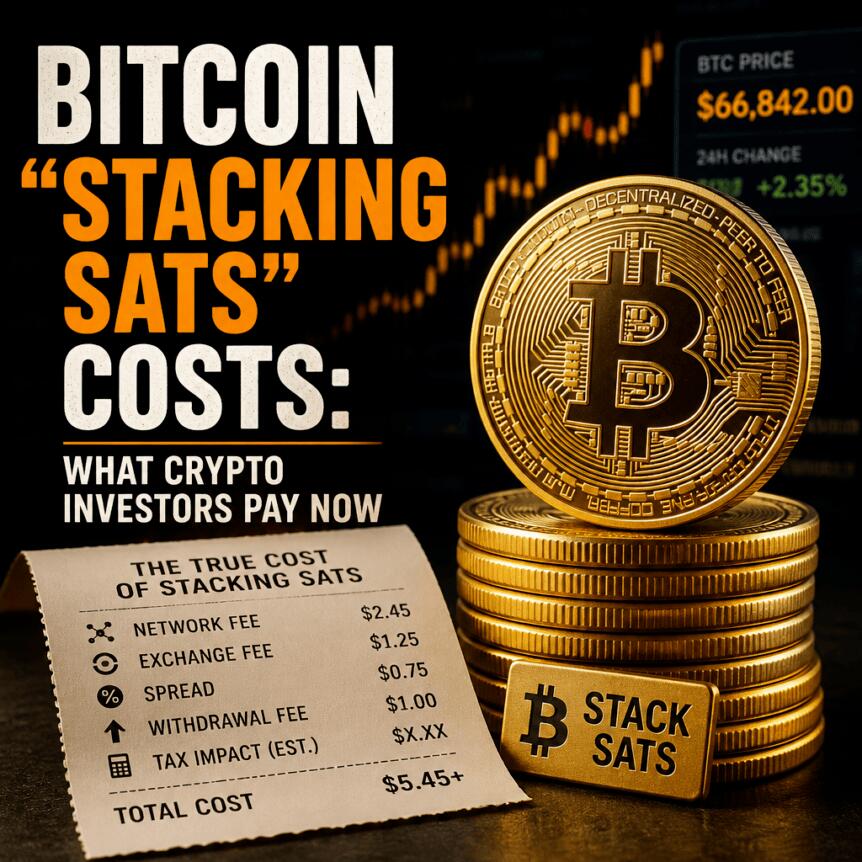
Bitcoin “Stacking Sats” Costs: What Crypto Investors Pay Now

Dogecoin and Hyperliquid Are Heating Up — But This New Project Might Be the One to Watch



