

Apple can't shield buyers from Al's memory crunch anymore
For most of the last decade, one promise held across the technology aisle. You paid a premium for the best-built hardware, and in exchange the number on the price tag held still.
That stability was never an accident. It was a product, engineered as carefully as the devices themselves.
Tariffs came and went. The dollar swung. Memory and storage costs spiked and cooled. Through all of it, the industry's strongest supply chain, the one rivals study like scripture, absorbed the shocks so the shelf price did not move. Buyers learned to trust that a laptop or a tablet would cost roughly what it cost a year ago, and that trust became part of the brand.
I have covered enough product cycles to treat that predictability as close to a law of nature. Companies warn about rising costs constantly. They rarely make you, the person standing at the checkout, feel it directly.
That law broke on Thursday, June 25, 2026, when Apple (AAPL) raised prices across its Mac and iPad lines and blamed a memory chip shortage it could no longer absorb.
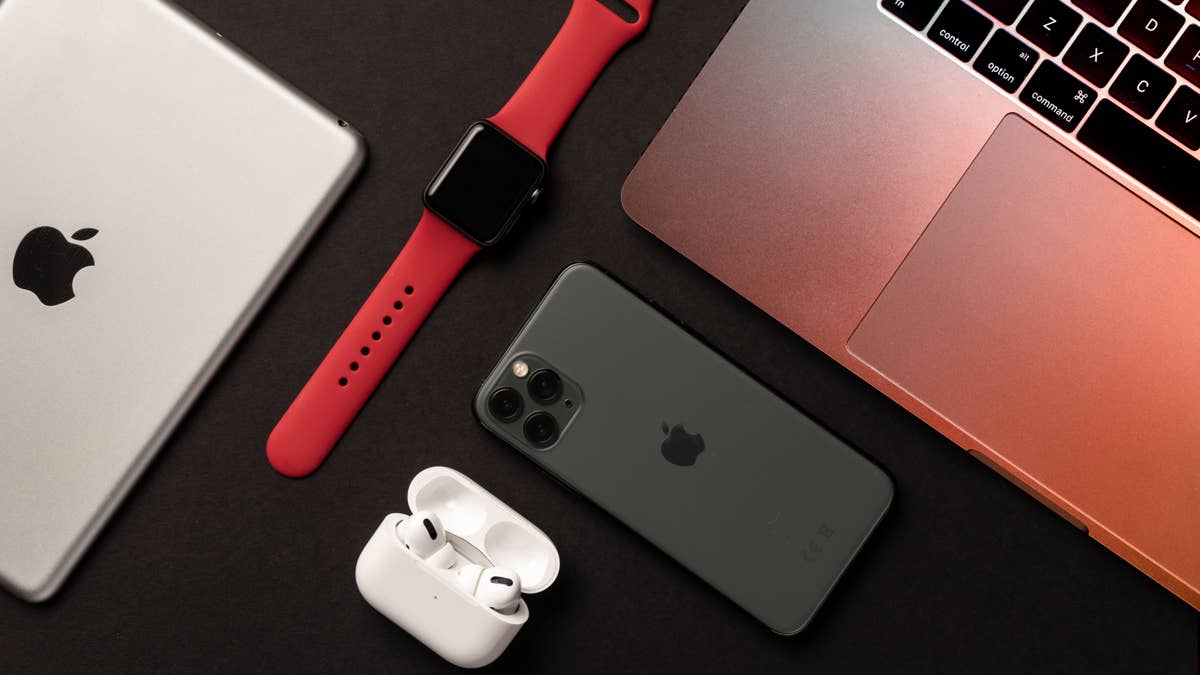 Apple raises prices on its Macs, iPads, home devices, and the Vision Pro
Shahid Jamil &sol Getty Images
The price increases Apple finally made public
The increases went live on Apple's online store Thursday and apply globally, reported Bloomberg. The iPhone, Apple Watch and AirPods were left alone, though the company signaled more adjustments could follow.
Here is what moved, as listed on Apple's retail site and tallied by Investing.com.
- The MacBook Neo, Apple's entry-level laptop, climbed to $699 from $599.
- The MacBook Air rose to $1,299 from $1,099.
- The 14-inch MacBook Pro moved to $1,999 from $1,699.
- The iPad Air now starts at $749, up from $599.
- The 11-inch iPad Pro went to $1,199 from $999.
The MacBook Neo stings the most. Apple launched it in March 2026 as a budget machine built to take share from Windows laptops and Chromebooks, and the increase erases the $100 edge it held over the $699 XPS 13 that Dell unveiled to chase it, reported Reuters. In one move, Apple made its cheapest laptop less competitive on price, which is an odd corner for the world's most valuable hardware company to be backed into.
Related: Bank of America predicts a major pricing shift for Apple
What an AI memory shortage is doing to chip prices
The cause sits one layer down the supply chain. Artificial intelligence (AI) data centers are consuming memory at a pace the industry has never seen, and that demand is now setting the price for everyone else.
Prices for dynamic random access memory, the chips inside nearly every phone, tablet and computer, rose as much as 98% in the first quarter of 2026 and are set to climb another 58% to 63% this quarter, according to TrendForce as carried by Reuters. Some traders have started calling the run "RAMageddon."
More Tech Stocks:
- Bank of America reconsiders Oracle stock price target after tumble
- Why Rocket Lab stock tumbled on Nasdaq-100 news
- Cathie Wood buys $529.7 million of popular new stock
The squeeze traces back to a handful of suppliers. Micron (MU) said on June 24, 2026 that it had locked in $22 billion in long-term commitments from customers racing to secure memory, according to Reuters. Memory makers including Micron, Samsung and SK Hynix have steered their output toward AI chipmakers such as Nvidia (NVDA), leaving consumer-device makers fighting over what is left.
The fallout already shows up in the forecasts. Research firm IDC expects the global smartphone market to suffer its biggest annual decline on record this year, close to 14%, while the personal computer market drops 11.3%, according to Reuters.
How Apple held its prices longer than rivals
Apple did not move first. It moved last, and that is the part worth sitting with.
The company spent months eating the increase. An Apple spokesperson said the rapid expansion of AI data centers had created "an extraordinary surge in demand for memory and storage," and that Apple had "never seen a component price increase this much, this quickly," according to Investing.com. The company added that it had "shielded our customers from these increases so far" but had "reached a point where we need to begin raising prices."
None of this caught close watchers off guard. Chief Executive Tim Cook had already told The Wall Street Journal that price increases were "unavoidable," a warning TheStreet covered when Apple's CEO sent a worrying signal on rising costs.
Wall Street had been positioning for the hit. Analyst Wamsi Mohan kept a buy rating and a $380 price target on the stock while penciling in higher Mac and iPad prices, in a June 18 note TheStreet covered when Bank of America predicted a major pricing shift for Apple.
What struck me when I set Apple's restraint against the rest of the market is how lonely it now looks. The shortage is "structurally tough for the foreseeable future," said Ben Bajarin, chief executive of Creative Strategies, according to Reuters. When the strongest buyer in consumer hardware admits it cannot hold the line, smaller brands have far less room to try.
Investors felt the message too. Apple shares fell as much as 5.3% to $277.67, the stock's biggest intraday drop in more than four months, reported Bloomberg.
What the price hikes mean for your next upgrade
Here is the uncomfortable part for buyers. The same AI spending that is fattening the chip names in your portfolio is what just made your next laptop more expensive.
The iPhone stays safe for now, which matters because it carries Apple's ecosystem and the bulk of its profit. But the company hinted that more products could see adjustments, and the supply problem is not expected to ease soon. Micron executives have said tight conditions could stretch on for years.
My read is that this is less a one-time bump than the first crack in a dam. For two years the AI build-out has been described as a Wall Street story. As of June 25, 2026, it is also a line item on your receipt.
If you have been putting off replacing an aging MacBook or iPad, the math just changed, and not in your favor. The next thing to watch is whether the iPhone keeps its exemption when Apple refreshes the lineup this fall. If memory prices keep climbing, even that promise may not survive.
Related: Apple CEO sends worrying message on rising iPhone costs


You May Also Like
SEC And CFTC Seek Public Comment On Portfolio Margining Rules

WTI Falls Below $70.50 as Middle East Oil Supply Surge Reshapes Market Dynamics

Wendy’s Gains 6% Amid “Save Wendy’s” Meme Campaign: Low P/E and Huge Yield Could Make WEN Worth Saving



