

Trump Accuses Iran of Breaking Ceasefire with Drone Strike Near Strait of Hormuz
BitcoinWorld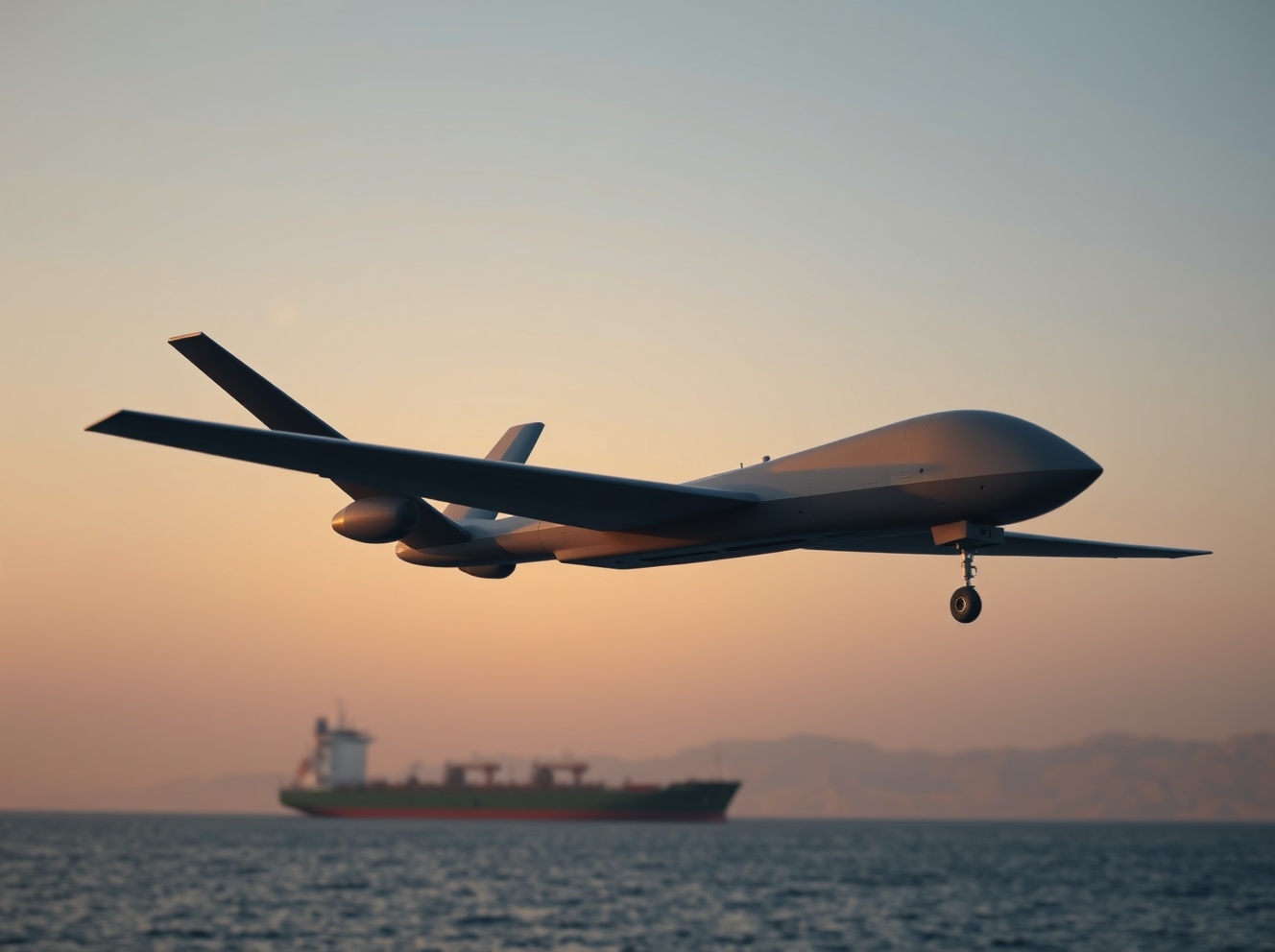
Trump Accuses Iran of Breaking Ceasefire with Drone Strike Near Strait of Hormuz
President Donald Trump has accused Iran of violating a previously unannounced ceasefire agreement following a drone strike near the strategic Strait of Hormuz. The incident, which reportedly involved an unmanned aerial vehicle targeting a commercial vessel, has sharply escalated tensions in one of the world’s most critical oil transit chokepoints.
What Happened Near the Strait of Hormuz?
According to a statement from the White House, the drone strike occurred in international waters approximately 30 nautical miles from the Iranian coast. President Trump, speaking to reporters, claimed that Iran had broken a ceasefire that was ‘understood’ between the two nations, though no formal written agreement has been publicly disclosed. The President did not provide specific details on the nature of the ceasefire or how it was established.
The Strait of Hormuz, a narrow waterway connecting the Persian Gulf to the Gulf of Oman, sees the transit of roughly 20% of the world’s oil supply. Any disruption in this area has immediate and significant implications for global energy markets and maritime security.
Background: A History of Maritime Tensions
This incident is the latest in a series of confrontations between the US and Iran in the region. Since 2019, there have been multiple attacks on oil tankers, seizures of commercial vessels, and tit-for-tat strikes involving drones and naval assets. The US has previously accused Iran of using drones and limpet mines to target ships, while Iran has denied involvement and blamed the US for escalating provocations.
The Trump administration’s ‘maximum pressure’ campaign, which included the withdrawal from the 2015 nuclear deal and reimposition of sanctions, has been a consistent backdrop to these tensions. The alleged ceasefire, if it existed, would represent a significant shift in policy, but its informal nature raises questions about its enforceability.
Impact on Oil Markets and Global Trade
Following the news, benchmark crude oil prices saw an immediate uptick of approximately 2% in early trading. Analysts at major financial institutions warned that any sustained disruption in the Strait of Hormuz could push oil prices above $100 per barrel, increasing inflationary pressures worldwide. Shipping insurance premiums for vessels transiting the region are expected to rise, and some shipping lines may consider rerouting, adding costs and delays to global supply chains.
Naval forces from the US Fifth Fleet, based in Bahrain, have increased patrols in the area. The UK Maritime Trade Operations (UKMTO) has issued a warning to vessels to exercise caution and report any suspicious activity.
Conclusion
The accusation by President Trump marks a significant and concerning development in US-Iran relations. While the details of the alleged ceasefire remain unclear, the drone strike near the Strait of Hormuz underscores the fragility of security in a region vital to the global economy. The coming days will be critical in determining whether this incident leads to a broader military escalation or remains an isolated event. The lack of a formal ceasefire agreement, however, leaves room for dangerous miscalculations by either side.
FAQs
Q1: Was there an official ceasefire agreement between the US and Iran?
No. President Trump referred to a ceasefire that was ‘understood’ but no formal written agreement has been made public. The nature and scope of this alleged understanding remain unclear.
Q2: What was targeted in the drone strike?
According to initial reports, the drone strike targeted a commercial vessel in international waters near the Strait of Hormuz. The identity and flag of the vessel have not yet been officially confirmed.
Q3: How does this affect oil prices?
Oil prices rose by about 2% immediately after the news. A prolonged disruption in the Strait of Hormuz could significantly impact global oil supply, potentially driving prices higher and affecting fuel costs worldwide.
This post Trump Accuses Iran of Breaking Ceasefire with Drone Strike Near Strait of Hormuz first appeared on BitcoinWorld.


You May Also Like
Republicans 'can’t escape' their 'abusive marriage' with Trump: DC insider

Malaysian Ringgit: Policy Support Tempers Downside but Caps Upside, Says MUFG

U.S. Regulation of ChatGPT Turns Washington Into AI Gatekeeper



