

I thought I had overcome it when I retired and the numbers in the spreadsheet said it was practically a sure thing – financial security for life for my wife andI thought I had overcome it when I retired and the numbers in the spreadsheet said it was practically a sure thing – financial security for life for my wife and
Quiet Failure: The Stories We Tell about Money
For feedback or concerns regarding this content, please contact us at [email protected]
I thought I had overcome it when I retired and the numbers in the spreadsheet said it was practically a sure thing – financial security for life for my wife and me, and something meaningful left over for the children. It was a wonderfully liberating feeling when, freshly retired, we bought a home for our retirement near our families, a new car and joined the golf club, for the first time without a second thought. So why have I spent the last three days waiting to change the battery in my mouse when it's clearly ready to give up the ghost? Jay Gatsby... or Ebenezer Scrooge. Two men, two fortunes — and for neither is it really about the money at all. Gatsby builds his fortune not to be rich but to rewrite his past and reclaim a love he believes wealth can buy. Scrooge guards his not to enjoy it but to wall himself off from a world he has learned to fear. One sends money outward as enchantment; the other locks it inward as armor. The ledger is only the surface. Underneath runs something older — a longing, a wound, a story told so long ago we've forgotten we're still telling it. I suspect most of us carry a little Gatsby or Scrooge inside, in quieter proportions. And not only those two. There's George Bailey, who never grew rich yet measured his wealth in the people who showed up when he needed them. There's Dickens's Mr. Micawber, sliding cheerfully toward ruin, forever certain that something will turn up. There's Charles Foster Kane, who could buy anything yet spent his last breath on a word money couldn't buy. And the forces that shape us aren't only personal. They're cultural too — the immigrant's hard-won thrift, the child of the Depression who still saves the foil, the family where money was a forbidden subject, or the one where it was the only subject. This is where I'd value your reflections. Answer whichever question speaks to you: Which character — one of these, or another from book or film — captures a relationship with money you've recognized, in someone you've known or the person in the mirror? Where do you think your own relationship with money was formed — by family, by hardship, by faith or culture, by some moment you can still name? And the one I keep returning to: can a person rewrite the money story they were handed? If so, what does the rewriting? My own little Scrooge, it turns out, didn't retire when I did. He just moved — from the big decisions, where the spreadsheet reassures me, down to the small ones, where it has nothing to say. I ask because the longer I look at why sound financial planning reaches so few, the more I believe the obstacles aren't only structural. They're the quiet, often invisible attitudes we carry toward money long before we ever open a spreadsheet. You've been generous with your wisdom before. I'm hoping you'll be generous again.
The post Quiet Failure: The Stories We Tell about Money appeared first on HumbleDollar.


Disclaimer: The articles reposted on this site are sourced from public platforms and are provided for informational purposes only. They do not necessarily reflect the views of MEXC. All rights remain with the original authors. If you believe any content infringes on third-party rights, please contact [email protected] for removal. MEXC makes no guarantees regarding the accuracy, completeness, or timeliness of the content and is not responsible for any actions taken based on the information provided. The content does not constitute financial, legal, or other professional advice, nor should it be considered a recommendation or endorsement by MEXC.
You May Also Like

Bitcoin-Backed Lending Market Shifts Toward Institutional Players, SVB Report Finds
BitcoinWorld Bitcoin-Backed Lending Market Shifts Toward Institutional Players, SVB Report Finds The market for loans secured by Bitcoin is undergoing a structural
Share
bitcoinworld2026/06/30 02:30

Ethena Partners With BlackRock to Bring USDe to Aladdin Using BUIDL
Ethena Partners With BlackRock to Bring USDe to Aladdin, Expands Institutional Access Using BUIDL Ethena has announced a strategic partnership with BlackRock th
Share
Hokanews2026/06/30 03:31
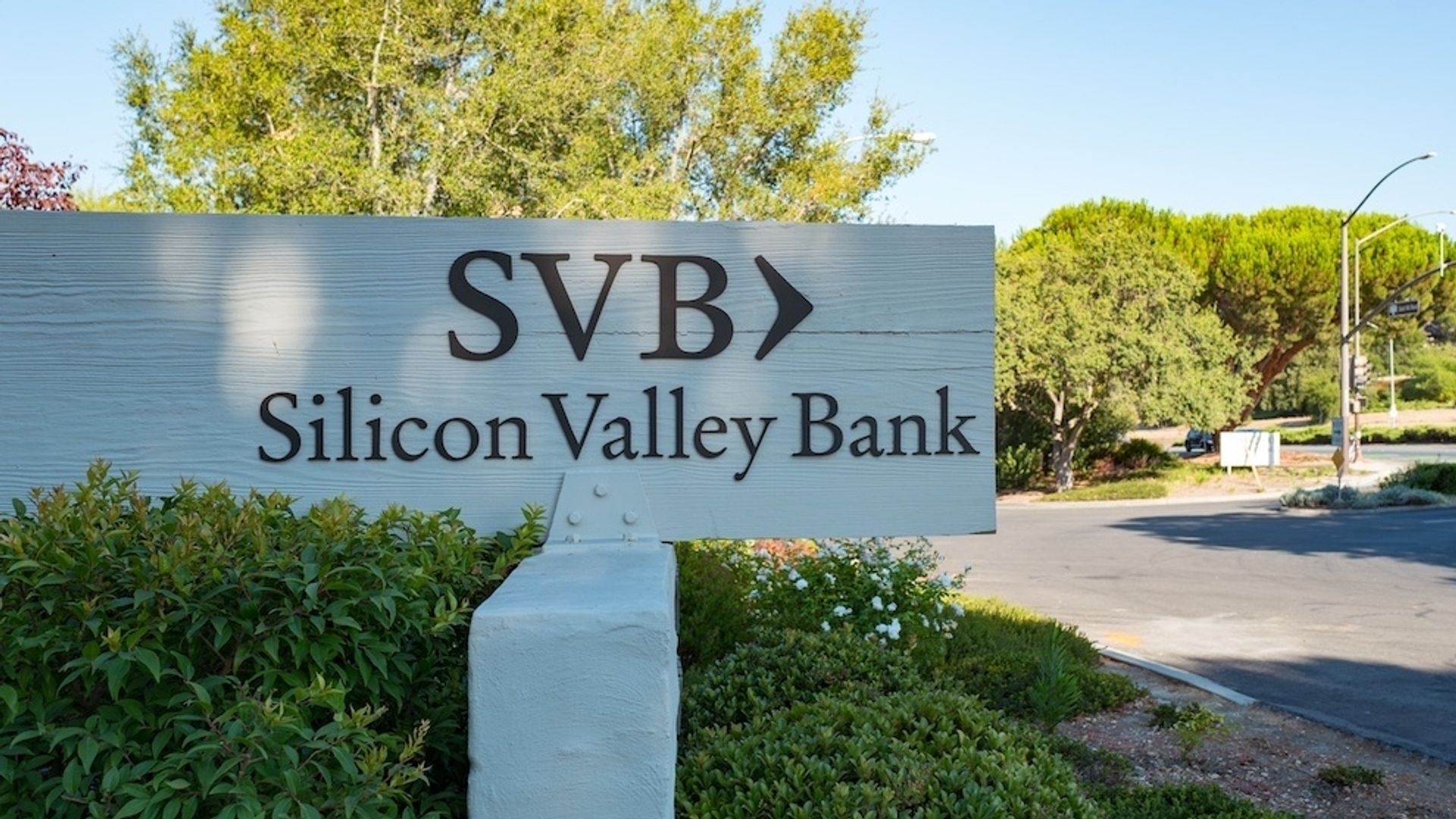
Bitcoin lending is entering a new institutional era, according to Silicon Valley Bank
Summary Show Silicon Valley Bank said bitcoin lending has shifted toward overcollateralization, transpa
Share
Coindesk2026/06/30 01:57

