With the Stablecoin-as-a-Service (SCaaS) model, any business or platform can issue its stablecoin without building a complex infrastructure. The opportunity is vast, but it comes with risks of liquidity fragmentation, reserve transparency, and evolving global regulatory frameworks. Anyone Can Issue Stablecoin Data from CoinGecko shows that the stablecoin segment currently has a market capitalization of around $306 billion and 355 different coins. Although quite popular today, not everyone can issue and manage stablecoins effectively. StAblecoin market capitalization. Source: CoinGecko However, a new stablecoin model allows businesses, platforms, or organizations to issue and manage stablecoins without building the entire infrastructure from the ground up. This model includes standardized mint/burn, customizable reserve mechanisms and fees, and third-party operating interfaces. This is Stablecoin-as-a-Service (SCaaS). The most recent example is Stripe’s Open Issuance program (launched in September 2025). It enables businesses to mint/burn stablecoins freely and customize fees and reserve allocations while sharing profits from yield after a certain fee. Ethena Labs provides a white-label solution for applications or blockchains. Tech giants like Google have reportedly tested a payment protocol for AI agents using stablecoins, while custodians such as BitGo have also entered the market. “Stripe announces Stablecoin as a Service. Any company can deploy stablecoins with just a few lines of code. BlackRock, Fidelity, or Superstate manages reserves. An X user commented about Stripe’s SCaaS. The SCaaS model lowers entry barriers by allowing virtually any business to issue its stablecoin. It also supports tailored stablecoins for specific products or target markets and gives wallets/exchanges/chains additional tools to distribute products with yield potential. Some users on X argue that SCaaS will become increasingly important as stablecoins become commodities and distributors (wallets, exchanges, chains) seek yield opportunities. Others suggest that SCaaS could be a lifeline for many blockchains struggling to achieve token-market-fit. High Potential, High Risk Nonetheless, the risks are significant. Multi-issuance models create the possibility of liquidity fragmentation. For instance, multiple “USD-pegged” stablecoins may coexist but differ in reserves, transparency, or redemption reliability. Market dynamics could turn SCaaS into a yield-driven bet: issuers might optimize reserve profits to stay competitive, sometimes taking on liquidity risks or investing in less liquid assets. This leaves vulnerabilities when redemptions suddenly surge. From a legal and operational perspective, SCaaS demands absolute transparency on reserve composition, insurance/redemption mechanisms, and independent auditing processes. Regulatory decisions at national or regional levels could drastically reshape the multi-issuance landscape. Even so, SCaaS is still expected to be a natural step forward as stablecoins steadily evolve into a global payment instrument.With the Stablecoin-as-a-Service (SCaaS) model, any business or platform can issue its stablecoin without building a complex infrastructure. The opportunity is vast, but it comes with risks of liquidity fragmentation, reserve transparency, and evolving global regulatory frameworks. Anyone Can Issue Stablecoin Data from CoinGecko shows that the stablecoin segment currently has a market capitalization of around $306 billion and 355 different coins. Although quite popular today, not everyone can issue and manage stablecoins effectively. StAblecoin market capitalization. Source: CoinGecko However, a new stablecoin model allows businesses, platforms, or organizations to issue and manage stablecoins without building the entire infrastructure from the ground up. This model includes standardized mint/burn, customizable reserve mechanisms and fees, and third-party operating interfaces. This is Stablecoin-as-a-Service (SCaaS). The most recent example is Stripe’s Open Issuance program (launched in September 2025). It enables businesses to mint/burn stablecoins freely and customize fees and reserve allocations while sharing profits from yield after a certain fee. Ethena Labs provides a white-label solution for applications or blockchains. Tech giants like Google have reportedly tested a payment protocol for AI agents using stablecoins, while custodians such as BitGo have also entered the market. “Stripe announces Stablecoin as a Service. Any company can deploy stablecoins with just a few lines of code. BlackRock, Fidelity, or Superstate manages reserves. An X user commented about Stripe’s SCaaS. The SCaaS model lowers entry barriers by allowing virtually any business to issue its stablecoin. It also supports tailored stablecoins for specific products or target markets and gives wallets/exchanges/chains additional tools to distribute products with yield potential. Some users on X argue that SCaaS will become increasingly important as stablecoins become commodities and distributors (wallets, exchanges, chains) seek yield opportunities. Others suggest that SCaaS could be a lifeline for many blockchains struggling to achieve token-market-fit. High Potential, High Risk Nonetheless, the risks are significant. Multi-issuance models create the possibility of liquidity fragmentation. For instance, multiple “USD-pegged” stablecoins may coexist but differ in reserves, transparency, or redemption reliability. Market dynamics could turn SCaaS into a yield-driven bet: issuers might optimize reserve profits to stay competitive, sometimes taking on liquidity risks or investing in less liquid assets. This leaves vulnerabilities when redemptions suddenly surge. From a legal and operational perspective, SCaaS demands absolute transparency on reserve composition, insurance/redemption mechanisms, and independent auditing processes. Regulatory decisions at national or regional levels could drastically reshape the multi-issuance landscape. Even so, SCaaS is still expected to be a natural step forward as stablecoins steadily evolve into a global payment instrument.

Stablecoin as a Service Drives Growth Amid Liquidity Concerns

With the Stablecoin-as-a-Service (SCaaS) model, any business or platform can issue its stablecoin without building a complex infrastructure.

The opportunity is vast, but it comes with risks of liquidity fragmentation, reserve transparency, and evolving global regulatory frameworks.

Anyone Can Issue Stablecoin

Data from CoinGecko shows that the stablecoin segment currently has a market capitalization of around $306 billion and 355 different coins. Although quite popular today, not everyone can issue and manage stablecoins effectively.
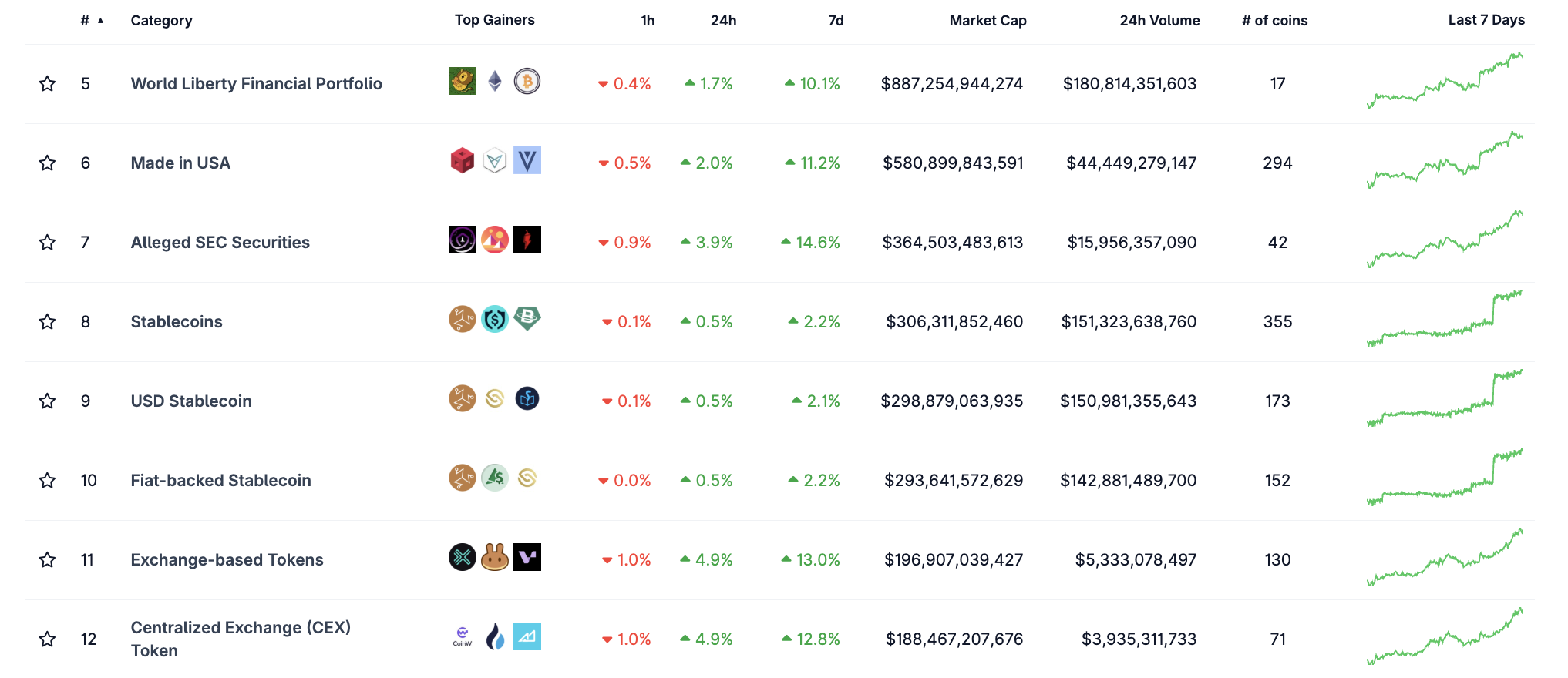
Stablecoin market capitalization. Source: CoinGeckoStAblecoin market capitalization. Source: CoinGecko

However, a new stablecoin model allows businesses, platforms, or organizations to issue and manage stablecoins without building the entire infrastructure from the ground up.

This model includes standardized mint/burn, customizable reserve mechanisms and fees, and third-party operating interfaces. This is Stablecoin-as-a-Service (SCaaS).

The most recent example is Stripe’s Open Issuance program (launched in September 2025). It enables businesses to mint/burn stablecoins freely and customize fees and reserve allocations while sharing profits from yield after a certain fee. Ethena Labs provides a white-label solution for applications or blockchains. Tech giants like Google have reportedly tested a payment protocol for AI agents using stablecoins, while custodians such as BitGo have also entered the market.

The SCaaS model lowers entry barriers by allowing virtually any business to issue its stablecoin. It also supports tailored stablecoins for specific products or target markets and gives wallets/exchanges/chains additional tools to distribute products with yield potential.

Some users on X argue that SCaaS will become increasingly important as stablecoins become commodities and distributors (wallets, exchanges, chains) seek yield opportunities. Others suggest that SCaaS could be a lifeline for many blockchains struggling to achieve token-market-fit.

High Potential, High Risk

Nonetheless, the risks are significant. Multi-issuance models create the possibility of liquidity fragmentation. For instance, multiple “USD-pegged” stablecoins may coexist but differ in reserves, transparency, or redemption reliability.

Market dynamics could turn SCaaS into a yield-driven bet: issuers might optimize reserve profits to stay competitive, sometimes taking on liquidity risks or investing in less liquid assets. This leaves vulnerabilities when redemptions suddenly surge.

From a legal and operational perspective, SCaaS demands absolute transparency on reserve composition, insurance/redemption mechanisms, and independent auditing processes.

Regulatory decisions at national or regional levels could drastically reshape the multi-issuance landscape.

Even so, SCaaS is still expected to be a natural step forward as stablecoins steadily evolve into a global payment instrument.


Market Opportunity
ANyONe Protocol Logo
ANyONe Protocol Price(ANYONE)
$0.2301
$0.2301$0.2301
+0.04%
USD
ANyONe Protocol (ANYONE) Live Price Chart
Disclaimer: The articles reposted on this site are sourced from public platforms and are provided for informational purposes only. They do not necessarily reflect the views of MEXC. All rights remain with the original authors. If you believe any content infringes on third-party rights, please contact [email protected] for removal. MEXC makes no guarantees regarding the accuracy, completeness, or timeliness of the content and is not responsible for any actions taken based on the information provided. The content does not constitute financial, legal, or other professional advice, nor should it be considered a recommendation or endorsement by MEXC.

You May Also Like

Best Crypto to Buy as Saylor & Crypto Execs Meet in US Treasury Council

Best Crypto to Buy as Saylor & Crypto Execs Meet in US Treasury Council

The post Best Crypto to Buy as Saylor & Crypto Execs Meet in US Treasury Council appeared on BitcoinEthereumNews.com. Michael Saylor and a group of crypto executives met in Washington, D.C. yesterday to push for the Strategic Bitcoin Reserve Bill (the BITCOIN Act), which would see the U.S. acquire up to 1M $BTC over five years. With Bitcoin being positioned yet again as a cornerstone of national monetary policy, many investors are turning their eyes to projects that lean into this narrative – altcoins, meme coins, and presales that could ride on the same wave. Read on for three of the best crypto projects that seem especially well‐suited to benefit from this macro shift:  Bitcoin Hyper, Best Wallet Token, and Remittix. These projects stand out for having a strong use case and high adoption potential, especially given the push for a U.S. Bitcoin reserve.   Why the Bitcoin Reserve Bill Matters for Crypto Markets The strategic Bitcoin Reserve Bill could mark a turning point for the U.S. approach to digital assets. The proposal would see America build a long-term Bitcoin reserve by acquiring up to one million $BTC over five years. To make this happen, lawmakers are exploring creative funding methods such as revaluing old gold certificates. The plan also leans on confiscated Bitcoin already held by the government, worth an estimated $15–20B. This isn’t just a headline for policy wonks. It signals that Bitcoin is moving from the margins into the core of financial strategy. Industry figures like Michael Saylor, Senator Cynthia Lummis, and Marathon Digital’s Fred Thiel are all backing the bill. They see Bitcoin not just as an investment, but as a hedge against systemic risks. For the wider crypto market, this opens the door for projects tied to Bitcoin and the infrastructure that supports it. 1. Bitcoin Hyper ($HYPER) – Turning Bitcoin Into More Than Just Digital Gold The U.S. may soon treat Bitcoin as…
Share
BitcoinEthereumNews2025/09/18 00:27
Trump's border chief insists Americans support ICE – and is shut down by host: 'Come on!'

Trump's border chief insists Americans support ICE – and is shut down by host: 'Come on!'

Border Patrol Chief Greg Bovino was shut down Friday during an appearance on NewsNation after suggesting that federal immigration officials enjoyed widespread support
Share
Rawstory2026/01/23 22:36
The Economics of Self-Isolation: A Game-Theoretic Analysis of Contagion in a Free Economy

The Economics of Self-Isolation: A Game-Theoretic Analysis of Contagion in a Free Economy

Exploring how the costs of a pandemic can lead to a self-enforcing lockdown in a networked economy, analyzing the resulting changes in network structure and the existence of stable equilibria.
Share
Hackernoon2025/09/17 23:00